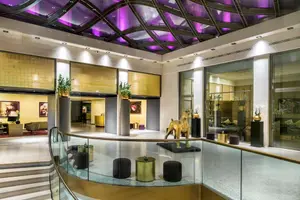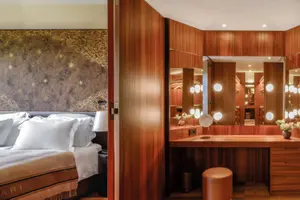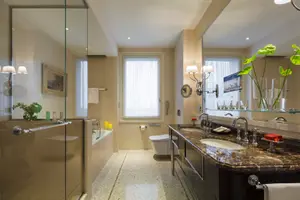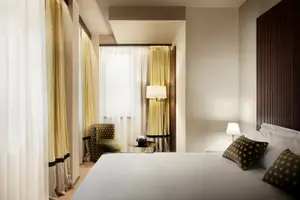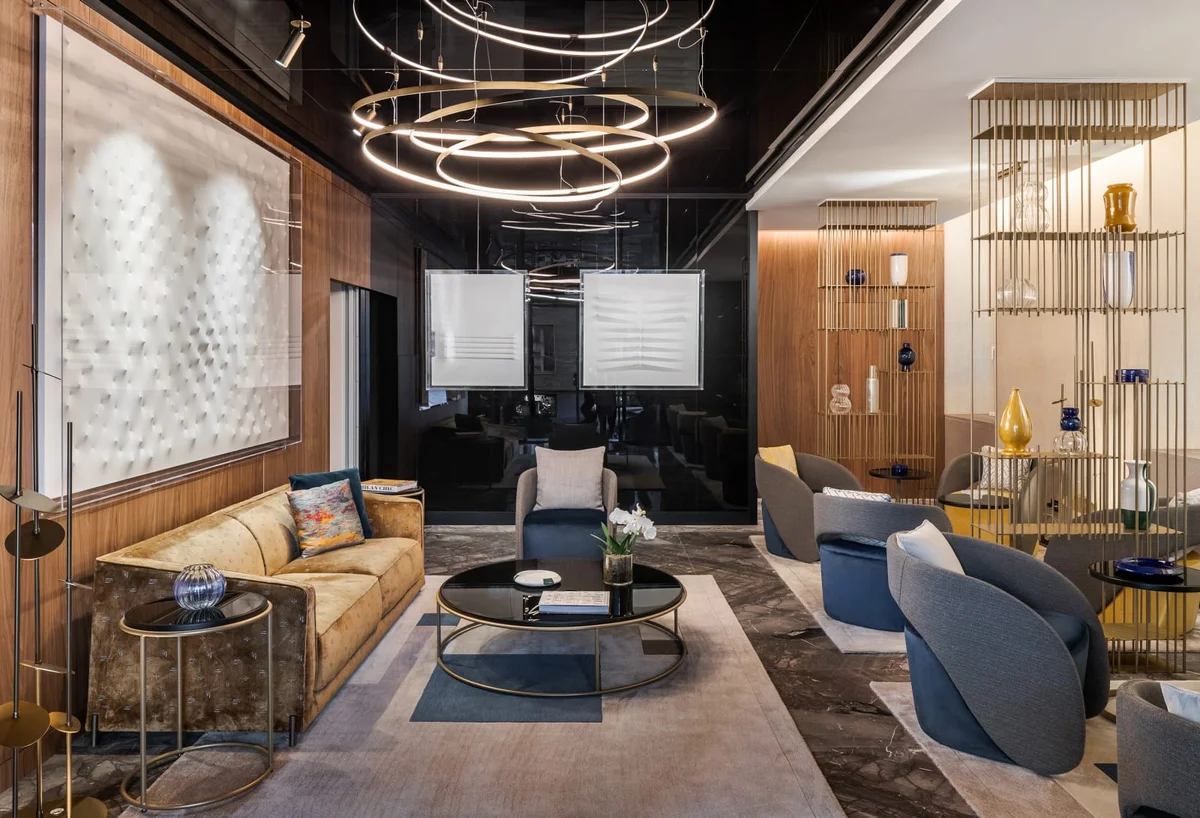
Casa Baglioni Milan - The Leading Hotels of the World
When you book Casa Baglioni Milan - The Leading Hotels of the World in Italy through our Palace Pro Agents partnership, your stay includes breakfast, a €100 resort credit and welcome amenities. You also receive a room upgrade, early check-in and late check-out when available. No premium credit card or membership needed: request a quote and our advisor books it at the same rate as booking direct.
Exclusive Booking Perks
These perks are included with your stay at the same rate as booking direct with the hotel.
- Early check-in & late check-out (subject to availability)
- Welcome amenities
- Complimentary room upgrade (subject to availability)*
- €100 Resort Credit
- VIP breakfast experience**
- Tequila tasting experience**
- Complimentary shared airport transportation
- Upgrades apply only from Run of House (ROH) to the next available room category
- Must be requested on-site through the guest's butler
Guest feedback
9.2/10 from 315 guest reviews
By category
Guests liked
- Friendly staff
- Great location
- Comfortable rooms
Points to consider
- Room cleanliness issues
- Limited breakfast options
- High price for offered services
Location
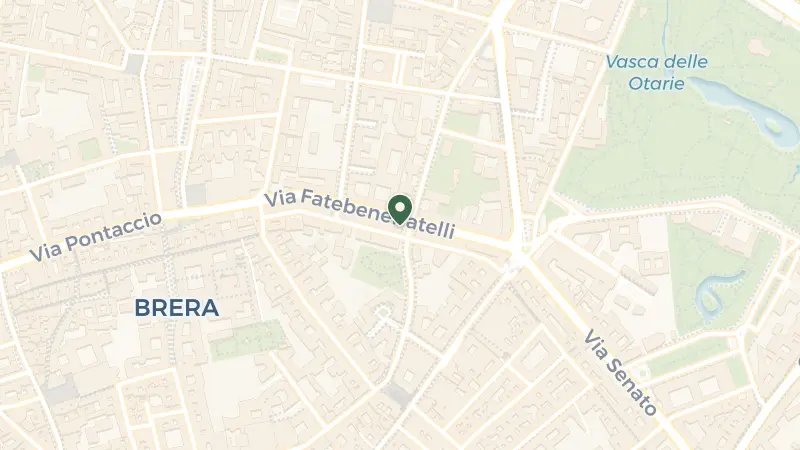
The property stands in Borgonuovo, the heart of Milan's storied centro storico, where narrow cobbled streets open onto Renaissance courtyards and the hum of Vespas punctuates the morning air. This is the Milan of aperitivo rituals and private ateliers, where tailors still measure suits by hand in parlours unchanged since the 1950s. The neighbourhood carries the refined restraint of old Lombard money, all hushed conversation and burnished brass door handles.
Milan's identity has always been practical elegance, a city built by bankers and industrialists rather than popes. Founded by Celts in 590 BC and later the seat of the Western Roman Empire, it became the engine of Italian reunification and remains the country's economic capital, generating a fifth of national GDP. The Late Medieval Duchy of Milan bankrolled the Renaissance, and that legacy lives in the city's pragmatic approach to beauty: form follows function, but both are impeccable.
Linate Airport lies seven kilometres east, a twenty-minute taxi ride through the flat Lombard plain. Malpensa, the larger international hub, sits forty kilometres northwest.
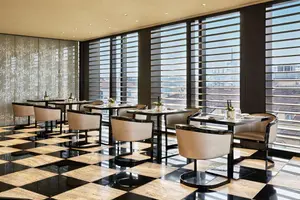
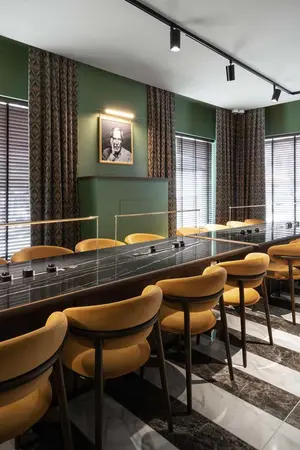
Sadler, the on-site restaurant, brings contemporary Italian and seafood precision beneath Art Nouveau flourishes, while Seta by Antonio Guida, less than half a kilometre away inside the Mandarin Oriental, translates Milan's cosmopolitan appetite into two-starred international cooking. For the full Bartolini experience, Enrico Bartolini al Mudec holds three stars three and a half kilometres south, where chef Davide Boglioli builds dishes alongside Bartolini himself, chasing intensity over ornamentation. Book a table well ahead.
The Church and Dominican Convent of Santa Maria delle Grazie, two kilometres west, houses Leonardo da Vinci's Last Supper in Bramante's refectory, a pilgrimage site for Renaissance devotees since 1980. Wine bars cluster within walking distance: I Dilettanti, La Vineria 2, and Cantine Isola offer northern Italian labels by the glass. The Mercato Papiniano, two and a half kilometres southwest, is Milan's largest open-air market, sprawling every Tuesday and Saturday morning with Ligurian focaccia, mountain cheeses, and stall holders who've held the same pitch for decades.
Winter light slants low across the Duomo's spires, the air crisp and still, temperatures hovering just above freezing. Milanese bundle into cashmere and linger over caffè corretto in steamed-glass pasticcerie. February brings occasional cold rain, but the city feels most itself when frost sharpens the mornings.
Spring and autumn offer the clearest skies and the most comfortable walking temperatures, highs between sixteen and twenty-four degrees. May and October can be wet, but the city's arcades and covered
Frequently Asked Questions

Quotes are personally reviewed by Natasha Hardy, founder of The Uncommon Traveller
5.0 rating · 8 Google reviewsThere is no fee or markup. The hotel pays our commission.
Request a Quote 7 Bib Gourmand