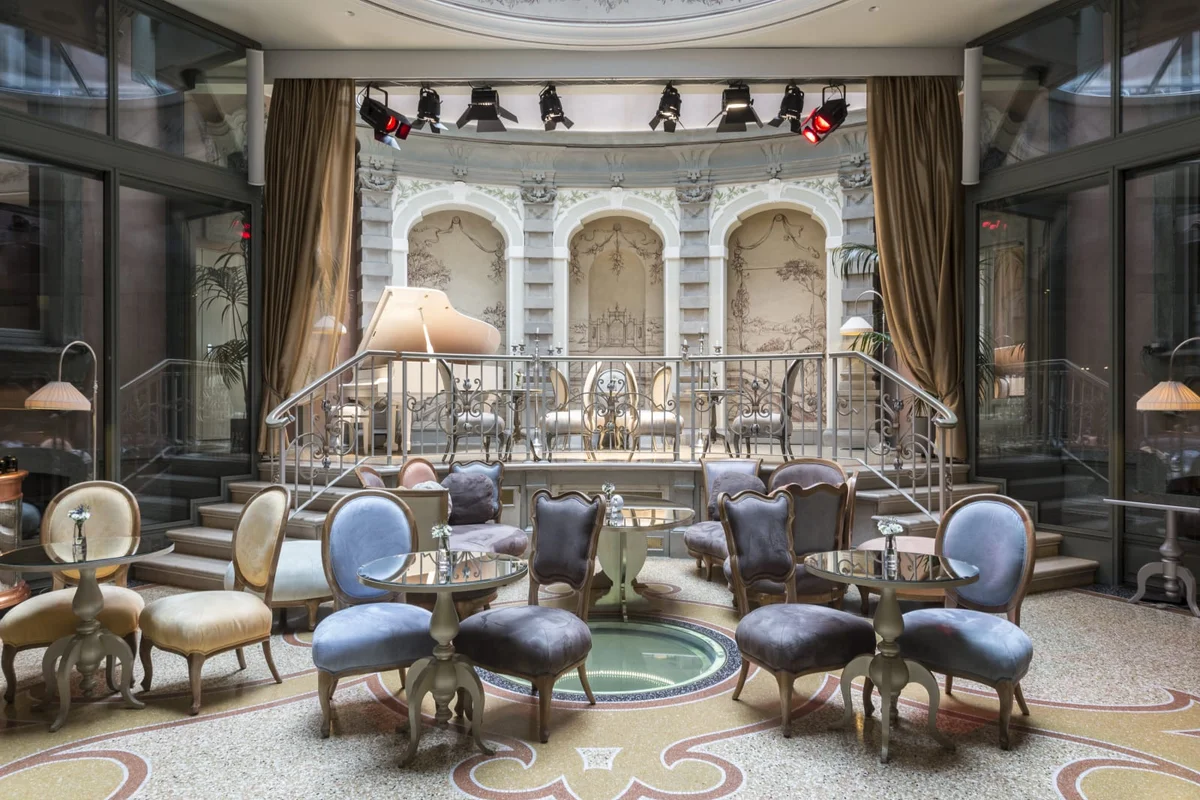
Château Monfort
When you book Château Monfort in Milan, Italy, through our Fora Reserve partnership, your stay includes breakfast. You also receive a room upgrade, early check-in and late check-out when available. No premium credit card or membership needed: request a quote and our advisor books it at the same rate as booking direct.
Exclusive Booking Perks
These perks are included with your stay at the same rate as booking direct with the hotel.
- Complimentary breakfast
- Room upgrade (subject to availability)
- Early check-in / late check-out (subject to availability)
- Exclusive use of the Hydro Suite for 1 hour per stay (for up to 2 people)
Guest feedback
Based on 212 guest reviews
By category
Guests liked
- Polite and helpful staff
- Centrally located
- Excellent amenities
Points to consider
- Discretionary tip issue during check-out
Location
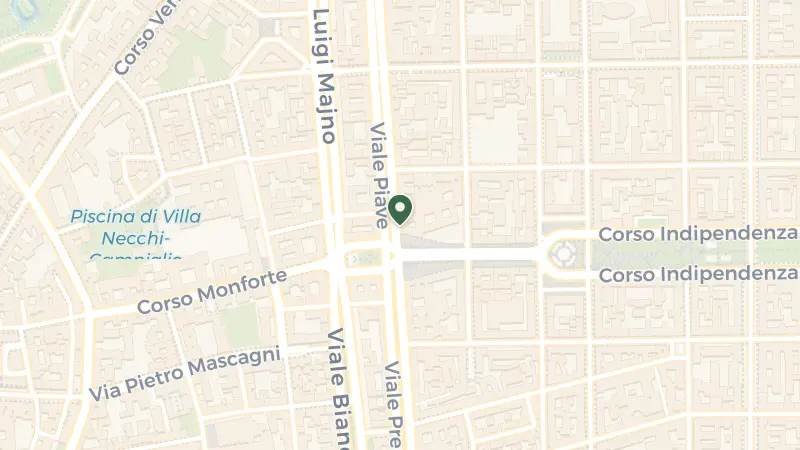
Château Monfort occupies a dreamlike position in the Buenos Aires-Venezia quarter of Milan's Municipio 3, a residential district where Liberty-era townhouses and tree-lined streets offer calm refuge from the city's relentless commercial energy. This is Milan at its most quietly prosperous, a neighbourhood of balconied apartments and corner cafés where locals still buy bread from the same bakery their grandparents patronized. The property sits within walking distance of the Naviglio della Martesana, the historic canal that once carried marble from Lake Maggiore to build the Duomo.
Milan itself rises from Celtic roots (founded around 590 BC) and Roman conquest, its name evolved from Mediolanum. The city briefly served as capital of the Western Roman Empire in the fourth century, then flourished under the Duchy of Milan as a driving force of the Renaissance. Today it stands as Italy's economic capital, accounting for a fifth of the nation's GDP, yet beneath the glass towers and Fashion Week spectacle lies a city of profound artistic heritage and intellectual rigour.
Linate Airport sits just six kilometres east, connecting to the city centre in twenty minutes. The wider choice of Malpensa lies forty-one kilometres northwest for intercontinental arrivals.
Within six hundred metres, Andrea Aprea commands the top floor of the Luigi Rovati Foundation, where chef patron Andrea Aprea crafts contemporary Italian menus in a dining room overlooking the city's rooftops (two Michelin stars earned through his signature intensity of flavour and precise seasonal instinct). For those seeking the apex of Milanese gastronomy, Enrico Bartolini al Mudec holds three stars four kilometres away, where Bartolini and resident chef Davide Boglioli continue their exploration of flavour fullness in dishes that balance innovation with Lombard tradition. Book a table early; both establishments require advance planning.
Three kilometres northwest, the Church and Dominican Convent of Santa Maria delle Grazie houses Leonardo da Vinci's Last Supper in its refectory, a UNESCO-listed fresco requiring timed entry but rewarding patience with one of art history's defining moments. The nearby Mercato Agricolo della Cuccagna (two kilometres south) brings farmers from the Lombard countryside to sell seasonal produce each Saturday morning, the air fragrant with wheel-cut Parmigiano-Reggiano and bundles of wild agretti in spring.
January and February bring frost to the city's cobblestones, temperatures hovering near freezing at night while pale winter light slants through the Galleria Vittorio Emanuele II. The streets empty early; this is Milan at its most introspective, when museums feel hushed and intimate.
Spring arrives slowly through March and April, hesitant at first with cool mornings giving way to warm afternoons perfect for aperitivo on pavement terraces. By May the chestnuts leaf out along the boulevards and rainfall becomes frequent but brief. Summer stretches hot and humid from June through August, the city half-emptying in August as Milanese decamp for the lakes and mountains, leaving visitors freer rein of the piazzas.
September through early November offers the most rewarding conditions: warm days cooling to crisp evenings, the light turning golden as fashion week energy pulses through the Quadrilatero della Moda. October sees peak rainfall but also the opening of opera season at La Scala and the arrival of porcini and white truffles in restaurant kitchens.
Frequently Asked Questions

Quotes are personally reviewed by Natasha Hardy, founder of The Uncommon Traveller
5.0 rating · 8 Google reviewsThere is no fee or markup. The hotel pays our commission.
Request a Quote 7 Bib Gourmand