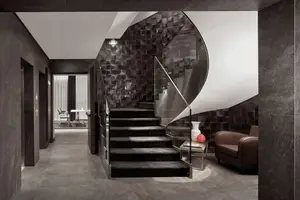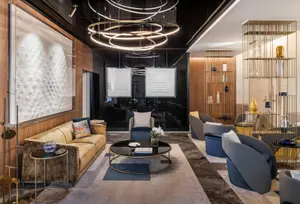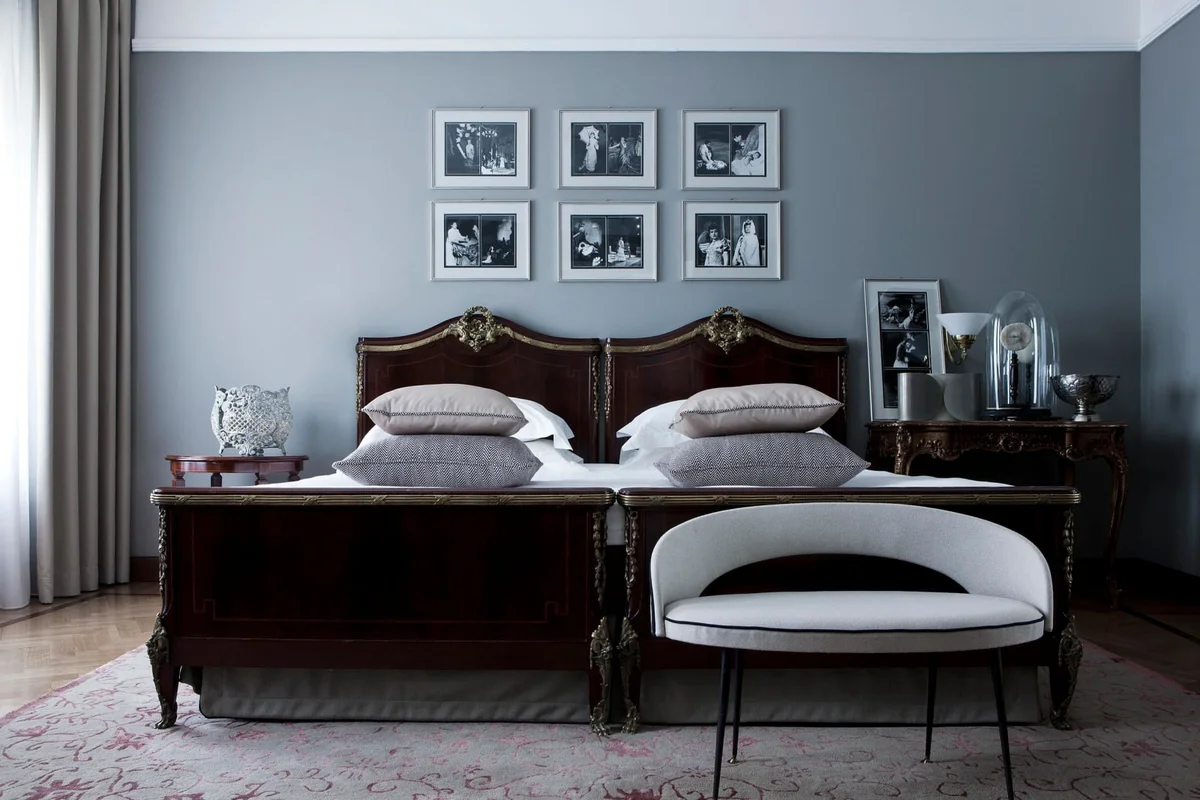
Grand Hotel et de Milan
When you book Grand Hotel et de Milan in Italy through our Fora Reserve partnership, your stay includes daily breakfast, a 100 USD property credit and a welcome gift. You also receive a priority room upgrade, early check-in and late check-out when available. No premium credit card or membership needed: request a quote and our advisor books it at the same rate as booking direct.
Exclusive Booking Perks
These perks are included with your stay at the same rate as booking direct with the hotel.
- Complimentary daily breakfast
- 100USD property credit
- Priority room upgrade (subject to availability)
- Early check-in / late checkout (subject to availability)
- Welcome gift
Guest feedback
9.0/10 from 401 guest reviews
By category
Guests liked
- Friendly and courteous staff
- Great location
Points to consider
- Food quality issues in some areas
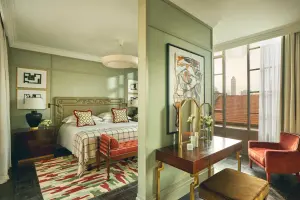
- Need for room modernization
Location
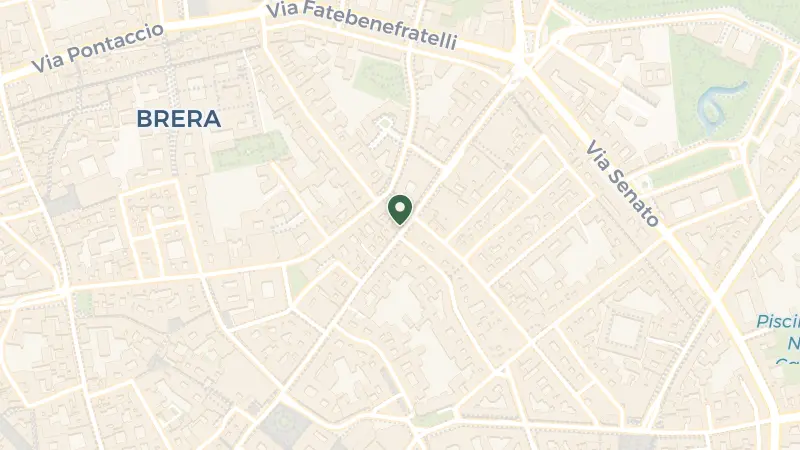
The Grand Hotel et de Milan has stood in the Brera district since 1863, a landmark in the neighbourhood where Milanese creativity and history converge. This is the quarter of art galleries and cobbled lanes, where the morning light slants across ochre facades and the scent of espresso drifts from corner bars. Via Brera itself runs through the heart of this former military clearing, now dense with antique dealers, bookshops, and trattorias where locals linger over lunch. The name derives from the Lombardic word for a cleared expanse, a reminder that this district once sat just beyond the city's medieval walls.
Milan hums with the energy of finance, fashion, and industry, the economic engine of Italy and a city whose history stretches from Celtic settlement through Roman conquest to its role as a Renaissance powerhouse under the Duchy of Milan. Two kilometres south, the Church of Santa Maria delle Grazie houses Leonardo's Last Supper in its Bramante-designed refectory, a testament to the city's enduring cultural weight. The streets around Brera carry that same layered past, each piazza and portico a chapter in Milan's long transformation from Mediolanum to alpha-world metropolis.
Linate Airport lies seven kilometres east, a swift connection for arrivals. Malpensa, forty kilometres northwest, serves longer-haul routes, while Bergamo's Orio al Serio sits forty-six kilometres from the city centre.
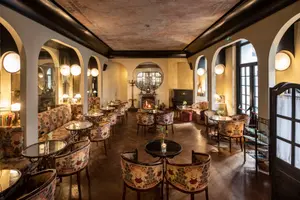
On-site, Don Carlos serves Milanese and Italian dishes with Mediterranean inflections introduced by consultant Gennaro Esposito, the kitchen honouring the hotel's long association with Verdi's operas. For a broader culinary map of the city, walk two minutes to Seta by Antonio Guida at the Mandarin Oriental, where two Michelin stars underline the chef's cosmopolitan interpretations across three tasting menus. Three kilometres west, Enrico Bartolini al Mudec holds three stars, the flagship of Bartolini's international network, where chef Davide Boglioli crafts dishes of concentrated flavour and precision. Book ahead for either.
The Church and Dominican Convent of Santa Maria delle Grazie, two kilometres west, houses Leonardo da Vinci's Last Supper in the refectory, the fresco inscribed as a UNESCO site in 1980. The Museo Poldi Pezzoli, established in 1881, displays Renaissance arms and Botticelli portraits in an aristocratic palazzo. For a slower pace, the Bagatti Valsecchi Museum recreates a 19th-century Milanese residence with original furnishings and Lombard paintings. Mercato del Suffragio, less than two kilometres south, pulses with morning trade in produce and regional cheeses beneath metal awnings.
Winter wraps Milan in sharp, damp cold, temperatures hovering just above freezing through January and February. The city's arcades offer shelter when drizzle turns persistent, and the light takes on a pewter quality that flatters Renaissance stone. Fog sometimes rolls in from the Po Valley, softening the skyline.
Spring arrives with warmth and sudden downpours, the wettest months of the year. By May, chestnut trees along the canali bloom, and sidewalk tables reappear as temperatures climb into the low twenties. The city shakes off its winter reserve.
Summer brings heat that peaks near thirty degrees in July, the streets quieter as Milanese escape to the lakes or coasts. September cools into golden light and fewer crowds, the ideal window for unhurried gallery visits. October rains return, but the city's cultural calendar roars back to life.
Frequently Asked Questions

Quotes are personally reviewed by Natasha Hardy, founder of The Uncommon Traveller
5.0 rating · 8 Google reviewsThere is no fee or markup. The hotel pays our commission.
Request a Quote 7 Bib Gourmand