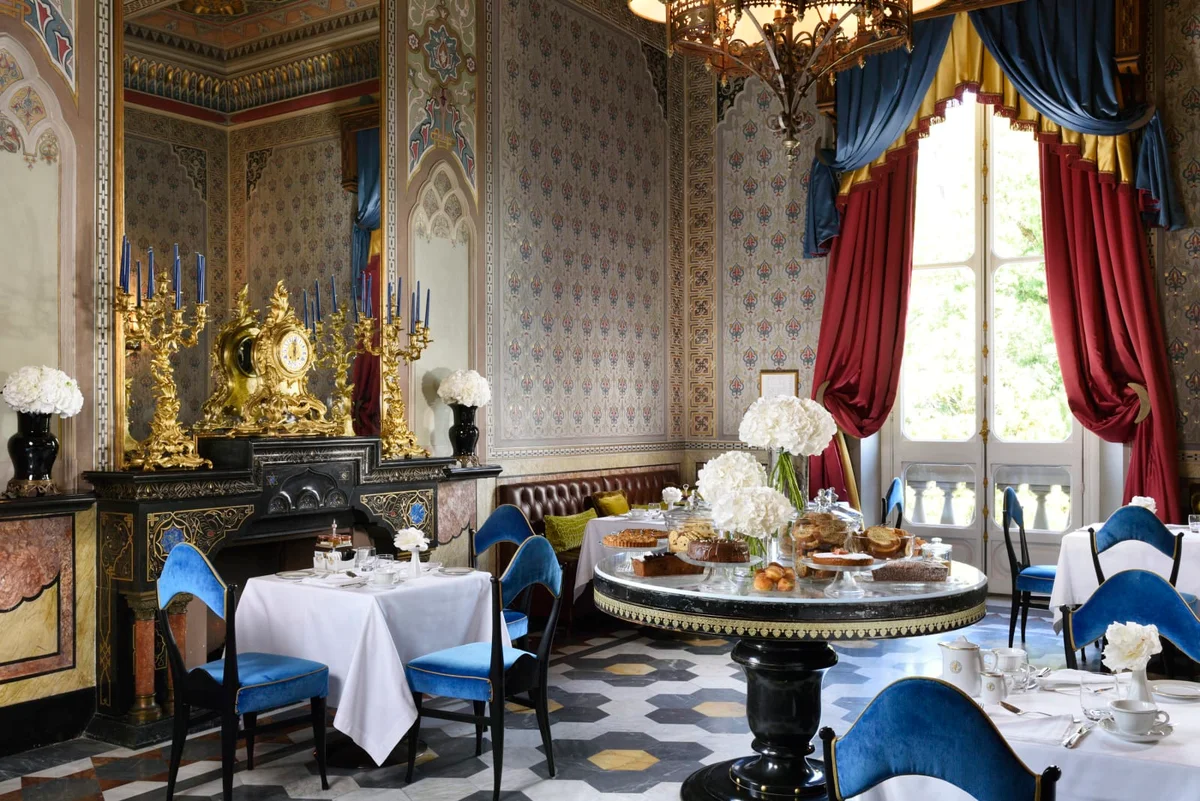
Villa Cora
When you book Villa Cora in Florence, Italy, through our Fora Reserve partnership, your stay includes daily buffet breakfast for up to two guests and a $100 USD resort or hotel credit. You also receive a room upgrade, early check-in and late check-out when available. No premium credit card or membership needed: request a quote and our advisor books it at the same rate as booking direct.
Exclusive Booking Perks
These perks are included with your stay at the same rate as booking direct with the hotel.
- Upgrade on arrival (subject to availability)
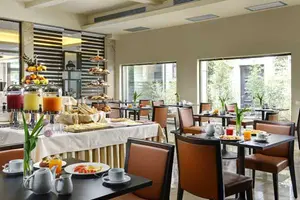
- Daily buffet breakfast for up to two guests per bedroom, served in the restaurant
- $100 USD equivalent resort or hotel credit to use during the stay (not combinable, not valid toward room rate, no cash value if unused)
- Early check-in and late check-out (both subject to availability)
Location
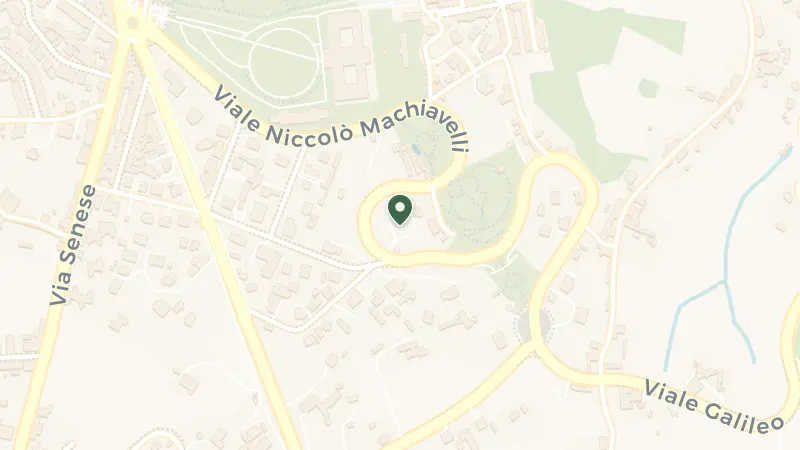
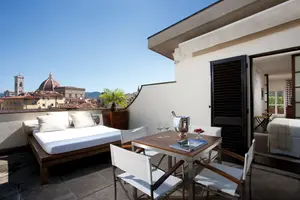
Villa Cora sits in the hills of Arcetri, a serene southern district where Florence thins into cypress groves and terraced gardens. This is the city's quieter flank, where the Renaissance unfolds at a slower pace and the air carries the scent of stone pine and wisteria. The dome of the Duomo rises to the north, close enough to walk into the historic core but far enough to feel like a retreat when the crowds press in around the Uffizi.
Florence itself hardly needs introduction. The birthplace of the Renaissance, it remains a living archive of Western art and thought: Dante's dialect became the Italian language, the Medici bankrolled Michelangelo, and Botticelli's Venus still stirs something irreducible in those who stand before her. The Historic Centre, a UNESCO site since 1982, is a tightly wound coil of frescoed chapels, narrow medieval streets, and palazzos that lean into one another like conspirators.
Florence Airport lies seven kilometres northwest. Taxis and private cars manage the distance in twenty minutes. Pisa's larger international airport is an hour west, a straightforward drive along the Arno valley if your routing brings you that way.
Enoteca Pinchiorri, the city's only three-Michelin-starred restaurant, occupies a seventeenth-century palazzo on Via Ghibellina less than two kilometres east. The kitchen delivers Italian contemporary cuisine with precision and ambition, its reputation built over decades. Borgo San Jacopo, across the Arno in the Oltrarno district, holds one Michelin star and offers modern cooking with views that stretch toward the Ponte Vecchio. Book a table at either for an evening that reflects Florence's marriage of history and refinement. On-site dining details were not provided, but the city's dining landscape extends well beyond starred establishments: neighbourhood osterie serve ribollita and bistecca alla fiorentina, while wine bars pour Chianti Classico and Brunello.
The Mercato di Sant'Ambrogio, two kilometres from the property, operates daily and reveals the city's culinary rhythms more honestly than tourist-facing venues. Stalls sell seasonal produce, aged pecorino, and porchetta carved to order. The Medici Villas and Gardens, inscribed as a UNESCO site in 2013, lie within twelve kilometres and trace the family's influence across the Tuscan countryside. For those drawn to Tuscany's wine country, Chianti's vineyards begin just beyond the city limits, with estates like Fattoria di Bagnolo seven kilometres south.
Spring arrives in bursts of green and gold, the hills around Florence thickening with wildflowers as temperatures climb into the high teens by April. The light takes on a clarity that painters have chased for centuries, and the terraces open for lunch under pergolas heavy with new vine growth.
Summer burns hot. July and August push past thirty degrees, the stone streets radiating heat by midday, but the evenings cool enough to linger over aperitivi in the piazzas. Mornings and late afternoons are the time to move through the city; the rest belongs to shade and cold wine.
Autumn is the richest season. September holds the warmth without the weight, and by October the surrounding vineyards glow amber and rust. The city empties slightly after the August holiday crush, and the food shifts to porcini, chestnuts, and the first pressings of olive oil. Winter is mild but damp, the streets slick with rain and the museums blissfully uncrowded.
Frequently Asked Questions

Quotes are personally reviewed by Natasha Hardy, founder of The Uncommon Traveller
5.0 rating · 8 Google reviewsThere is no fee or markup. The hotel pays our commission.
Request a Quote 10 Bib Gourmand