FH55 Grand Hotel Mediterraneo
When you book FH55 Grand Hotel Mediterraneo in Florence, Italy, through our Fora Reserve partnership, your stay includes daily buffet breakfast. You also receive a room upgrade, early check-in and late check-out when available. No premium credit card or membership needed: request a quote and our advisor books it at the same rate as booking direct.
Exclusive Booking Perks
These perks are included with your stay at the same rate as booking direct with the hotel.
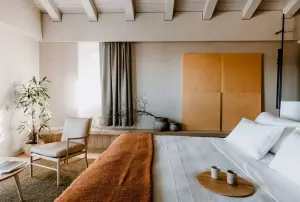
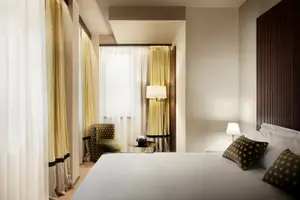
- Upgrade to next available room category upon availability
- Early check-in and late check-out upon availability
- Prosecco Bottle in the room
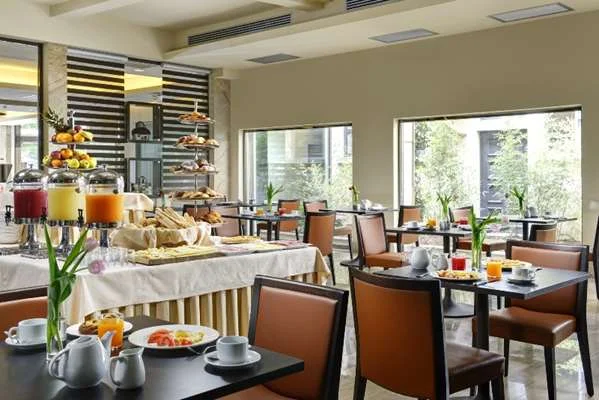
- Daily buffet breakfast
- Choose the pillow that prefer from a pillow menu
Guest feedback
8.6/10 from 4,005 guest reviews
By category
Guests liked
- Great location
- Attentive staff
- Delicious breakfast
Points to consider
- Room quality inconsistencies
- Parking inconvenience
Location
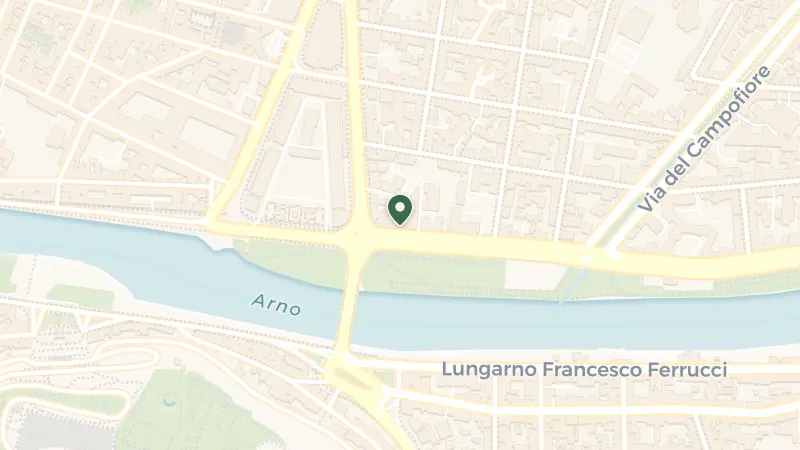
Florence is a city where the present tense walks alongside six centuries of cultural supremacy, where the Florentine dialect that shaped modern Italian still colours conversations in corner cafés. The Medici legacy runs through the stone-paved streets like a current, their patronage having transformed this medieval trade hub into the birthplace of the Renaissance. From 1865 to 1871, Florence served as Italy's capital, a brief but defining moment that left the city with a grandeur that never quite faded.
The property sits in Quartiere 2, east of the historic core, where residential Florence reveals itself beyond the museum queues. Mercato di Sant'Ambrogio, just over half a kilometre away, pulses with morning energy as vendors arrange seasonal produce and locals debate the merits of different olive oils. The rhythm here is slower, more genuine than the centro storico, yet the Historic Centre of Florence, a UNESCO World Heritage Site, lies within easy reach.
Florence Airport at Peretola is seven kilometres northwest, a swift taxi ride that delivers you from arrival to the banks of the Arno in under twenty minutes. The city unfolds from there: terracotta rooftops climbing the hillsides, church bells marking the hours, the particular quality of Tuscan light that made the Renaissance possible.
The dining here operates on two levels: neighbourhood trattorias serving ribollita and bistecca alla fiorentina, and temples of haute cuisine that redefined Italian gastronomy. Enoteca Pinchiorri, fewer than a kilometre away on Via Ghibellina, holds three Michelin stars and one of Europe's most formidable wine cellars. Saporium Firenze, just over 500 metres from the property, offers a more intimate starred experience where chef Ariel Hagen works from an open kitchen and champions sustainable sourcing. Book well ahead for either. For those willing to drive 40 kilometres into the Tuscan hills, Arnolfo in Colle di Val d'Elsa rewards the journey with two stars and panoramic views framed by iron and glass.
Beyond the table, the Historic Centre unfolds within walking distance: the Duomo's marble façade, the Palazzo Vecchio's crenellated bulk, the Ponte Vecchio's jewellers' shops cantilevered over the river. Mercato di Sant'Ambrogio, 600 metres east, pulses with morning trade. Day trips reach the Medici Villas (eleven kilometres), San Gimignano's tower-spiked skyline (38 kilometres), and Siena's Gothic piazzas (50 kilometres). For wine, Oratio and Cantina Barbargianni both lie within a kilometre, offering tastings in the city itself before the Chianti hills beckon.
July and August bring intense heat, with temperatures pushing past thirty degrees, when the stone facades radiate warmth and locals retreat indoors during the afternoon. These months feel languid, almost drowsy, though tourists still crowd the Uffizi queues. The city empties slightly, revealing a different Florence to those who brave the heat.
Spring arrives in April and May with mild temperatures in the high teens to low twenties, when wisteria drapes over garden walls and the hills surrounding Florence turn verdant. September extends this pleasantness into early autumn, when the light softens and the vendemmia begins in surrounding vineyards. These shoulder seasons offer the city at its most gracious.
Winter wraps Florence in a quiet chill, January highs barely reaching nine degrees, with occasional fog settling over the Arno. Rain comes frequently from October through March, turning cobblestones slick and sending visitors into museums and wine bars. The city feels more intimate then, less performed, more genuinely Florentine.
Frequently Asked Questions

Quotes are personally reviewed by Natasha Hardy, founder of The Uncommon Traveller
5.0 rating · 8 Google reviewsThere is no fee or markup. The hotel pays our commission.
Request a Quote 10 Bib Gourmand