Golden Tower Hotel & Spa
When you book Golden Tower Hotel & Spa in Florence, Italy, through our Fora Reserve partnership, your stay includes daily breakfast and a welcome amenity. You also receive a room upgrade, early check-in and late check-out when available. No premium credit card or membership needed: request a quote and our advisor books it at the same rate as booking direct.
Exclusive Booking Perks
These perks are included with your stay at the same rate as booking direct with the hotel.
- Complimentary Daily Breakfast
- EUR 50 F&B/Hotel/Spa Credit For A Minimum Stay Of 2 Nights
- Welcome Amenity
- Free Upgrade On Arrival Subject To Availability
- Early/Late Check In/Out Subject To Availability
Guest feedback
9.6/10 from 1,389 guest reviews
By category
Guests liked
- Friendly staff
- Excellent location
- Clean rooms
Points to consider
- Access to spa costs extra
- Card key mechanism was working poorly
Location
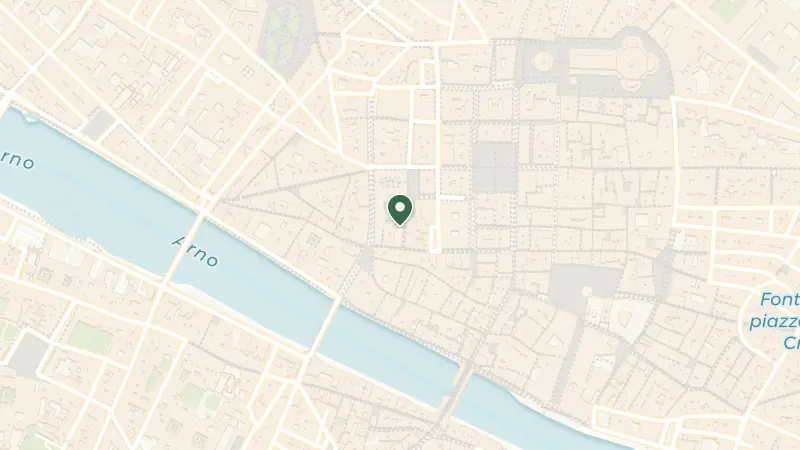
The property sits in the Oltrarno, Florence's artisan quarter that stretches south of the Arno, where the Renaissance still feels less curated, more lived-in. This is where restorers gild frames in ground-floor workshops, where the smell of leather drifts from family-run botteghe, and where the Palazzo Pitti sprawls across an entire hillside, its ochre facade commanding the neighbourhood. The church of Santo Spirito anchors the district's namesake piazza, a gathering point for students and locals who claim the stone steps at dusk.
Walk northeast across Ponte Vecchio and you're in the thick of Florence's UNESCO-protected historic centre, where Via Ghibellina and the tangle of medieval streets around the Duomo concentrate six centuries of artistic ambition. The city that gave the Italian language its shape under the Medici still announces itself in every rusticated palazzo and loggia. From 1865 to 1871, it served as Italy's capital, a brief political role that left the city with grand boulevards alongside its tighter Renaissance grid.
Florence Airport sits six kilometres northwest. Pisa's larger international gateway is seventy kilometres west, connected by regular shuttle and rail services through Florence's Santa Maria Novella station.
The hotel places you within walking distance of Enoteca Pinchiorri, a three-Michelin-starred institution occupying a seventeenth-century palazzo on Via Ghibellina, 800 metres east. For something more contemporary, Luca's by Paulo Airaudo holds one star and sits just 150 metres away on the first floor of Hotel La Gemma, its green boiserie and refined approach to Italian ingredients offering a modern counterpoint to Florence's traditional culinary scene. Book a table at either well in advance. The Mercato del Porcellino, a five-minute walk, sells leather goods and small food stalls under its loggia; the larger Mercato di San Lorenzo, half a kilometre north, sprawls with produce, truffles in season, and vendors hawking pecorino aged in chestnut leaves.
The Palazzo Pitti's collections consume entire mornings, from Renaissance paintings in the Palatine Gallery to the Boboli Gardens climbing the hillside behind. The Belvedere fortress commands views over the city and vineyards beyond. Day trips reach the Medici villas scattered across the Tuscan hills, a UNESCO network of Renaissance estates that shaped European garden design, with the nearest eleven kilometres out. Piazzale Michelangelo requires a steep climb but earns the effort at sunset when the city glows amber and rose.
January through March sees temperatures hover between one and fourteen degrees, the air sharp, the light watery over terracotta rooftops. Mornings require layers; afternoons in the Uffizi can feel airless despite the chill outside. Spring rains peak in March, softening the city's stone surfaces.
Summer arrives decisively: July pushes past thirty degrees, the streets bleached white by midday, the Arno reduced to a sluggish ribbon. August holds the heat but empties the city as Florentines decamp to the coast. Late May through June offers the best balance, warm enough for gelato on the Ponte Santa Trinita, cool enough to walk without wilting.
October brings the grape harvest and occasional downpours, but also golden light that makes every fresco glow. November turns introspective, the crowds thinning, the cafes reclaiming their locals-only rhythm through December's brief, cold days.
Frequently Asked Questions

Quotes are personally reviewed by Natasha Hardy, founder of The Uncommon Traveller
5.0 rating · 8 Google reviewsThere is no fee or markup. The hotel pays our commission.
Request a Quote 10 Bib Gourmand