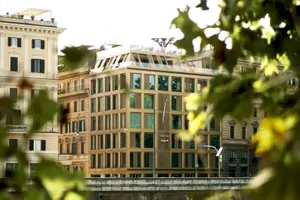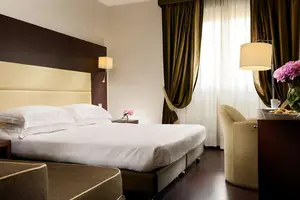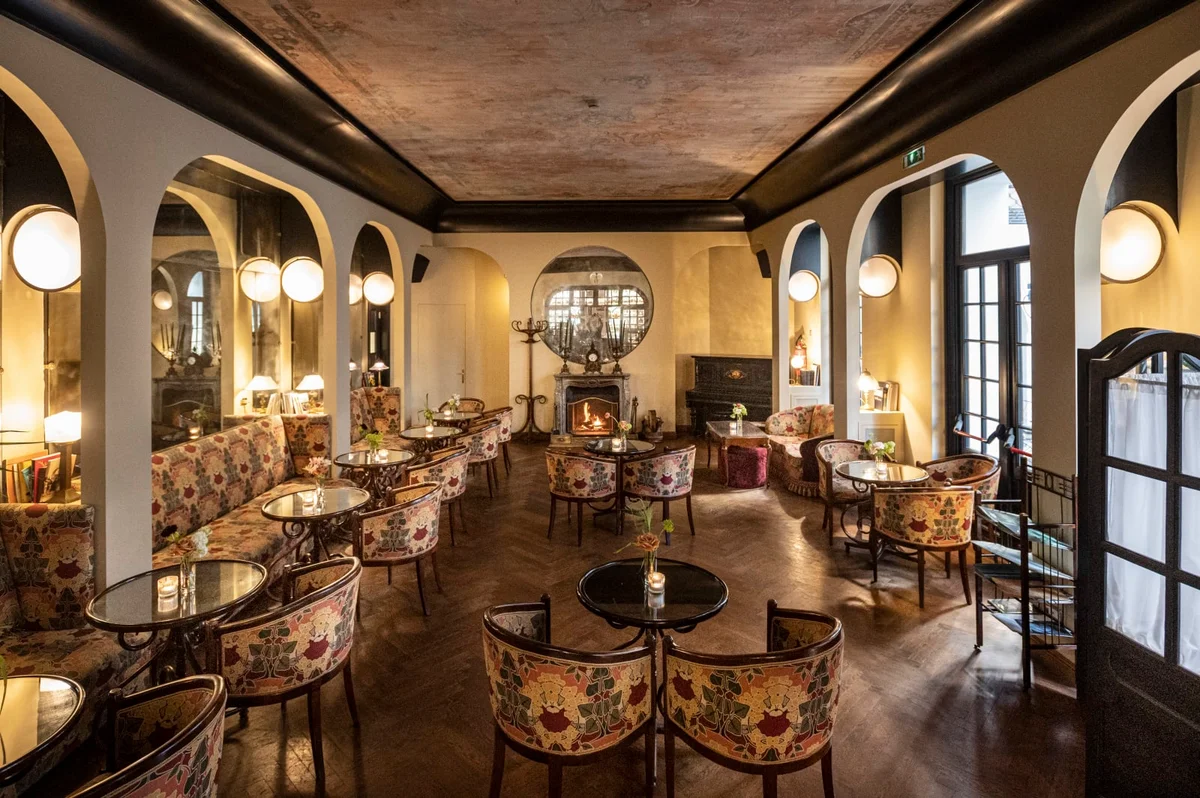
Hotel Locarno
When you book Hotel Locarno in Rome, Italy, through our Fora Reserve partnership, your stay includes daily breakfast for two and a 35 EUR hotel credit per stay. You also receive early check-in and late check-out when available. No premium credit card or membership needed: request a quote and our advisor books it at the same rate as booking direct.
Exclusive Booking Perks
These perks are included with your stay at the same rate as booking direct with the hotel.
- EUR 90 F&B credit for minimum 2-night stay
- 35 EUR laundry service credit per room, per stay
- Daily breakfast for two guests
- One category room upgrade upon arrival based upon availability (Classic, Superior and Deluxe, not applicable to Junior Suite, Prestige Deluxe or Suite)
- Early check-in/late checkout subject to availability
- Complimentary use of hotel bicycles
- One way Luxury transfer to or from the airport
- Minibar complimentary (fully stocked) for the whole stay
Guest feedback
9.8/10 from 993 guest reviews
By category
Guests liked
- Friendly Staff
- Great Location
- Luxurious Breakfast
Points to consider
- Inconsistent Room Quality
- Some Issues with Food Execution
Location
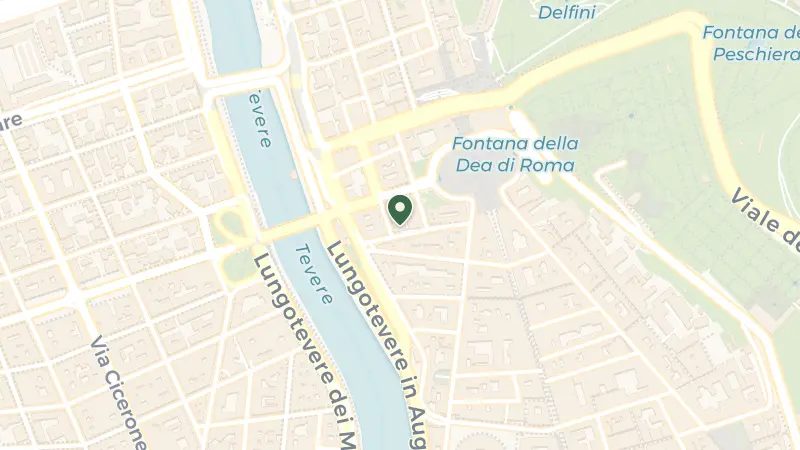
Hotel Locarno sits in Campo Marzio, the historic district unfurling between Piazza del Popolo and the Tiber's eastern bank. This is Rome at its most layered: a warren of cobbled lanes where Renaissance palazzi lean into boutiques selling marbled paper and antique prints, where the clatter of espresso cups spills from corner bars, and the scent of fresh focaccia mingles with exhaust from passing Vespas. The hotel stands steps from Via del Corso, the arrow-straight artery carved by ancient Romans, now lined with flagship stores and gelaterie. Piazza del Popolo, with its twin churches and Egyptian obelisk, marks the northern edge of the neighbourhood; the Spanish Steps and Villa Borghese lie within a fifteen-minute walk.
This is the Rome of accidental discoveries: a Caravaggio glimpsed through an open church door, a fountain by Bernini tucked into a side street, the morning light slanting across travertine facades. The Tiber bends lazily westward, its embankments shaded by plane trees, while across the river, Vatican City rises in baroque grandeur. The city's founding mythology claims 753 BC, but the ground here has been settled for over three millennia, every century leaving its mark in stone and ritual.
Rome Fiumicino Airport lies twenty-two kilometres west; the journey inbound traces the curve of the Tiber Valley, delivering you to a neighbourhood where the weight of history feels effortless rather than monumental.
Acquolina, a two-Michelin-starred address mere steps from Piazza del Popolo, occupies the First Roma with a dining room of understated contemporary design and tableside service described as dynamic; the creative Mediterranean menu shifts with the seasons. For a longer evening, head less than a kilometre north to Enoteca La Torre, another two-starred restaurant set within Villa Laetitia, an Art Nouveau residence blending Renaissance and Baroque bones with early twentieth-century flourishes. Three kilometres northwest, La Pergola commands the city's only three-star kitchen, its recently refurbished dining room now draped in travertine and Roman red, serving contemporary Mediterranean dishes with commanding views. Book a table at Acquolina if you want proximity and polish without the pilgrimage.
The Campo de' Fiori market, less than two kilometres south, spreads its morning chaos of artichokes, blood oranges, and dried porcini across a piazza where Giordano Bruno was burned at the stake in 1600. The Historic Centre of Rome, a UNESCO site inscribed in 1980, begins at your doorstep: the Pantheon's coffered dome, the Trevi Fountain's theatrical cascade, the Forum's broken columns all lie within a twenty-minute walk. Vatican City, another UNESCO property and the world's smallest sovereign state, sits two kilometres west; its Sistine Chapel and St. Peter's Basilica draw pilgrims and art historians in equal measure.
July and August bring heat that pools in the piazzas, temperatures climbing past thirty degrees, the city emptying toward the coast as locals flee and tourists claim the shaded arcades. The light turns hard and white, and air conditioning becomes less a luxury than a necessity for midday retreats.
Spring and autumn offer gentler rhythms: April and May see temperatures in the high teens, while September and October cool into the low twenties, the stone facades glowing amber in the slanted light. These months draw the thoughtful traveler, when morning walks feel brisk and evenings linger over Aperol spritzes in Campo Marzio's quieter corners.
Winter is mild but unpredictable, daytime highs hovering near twelve degrees, the occasional rain sweeping across the Tiber and drumming on cobblestones. Crowds thin, and the city reclaims itself: locals filling the trattorie, the Vatican museums breathable again, the early dusk lending a melancholy beauty to the ruins.
Frequently Asked Questions

Quotes are personally reviewed by Natasha Hardy, founder of The Uncommon Traveller
5.0 rating · 8 Google reviewsThere is no fee or markup. The hotel pays our commission.
Request a Quote 10 Bib Gourmand