NEMI Hotel
When you book NEMI Hotel in Milan, Italy, through our Fora Reserve partnership, your stay includes daily breakfast for two. You also receive a room upgrade, early check-in and late check-out when available. No premium credit card or membership needed: request a quote and our advisor books it at the same rate as booking direct.
Exclusive Booking Perks
These perks are included with your stay at the same rate as booking direct with the hotel.
- Daily Breakfast for 2
- Seasonal amenity in room at check in
- Room upgrade (subject to availability)
- Early check-in, late check-out (subject to availability)
Guest feedback
9.1/10 from 51 guest reviews
By category
Guests liked
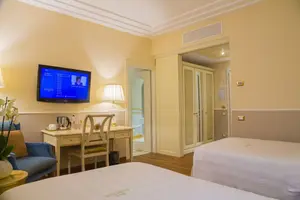
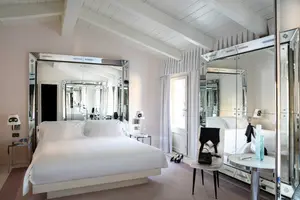
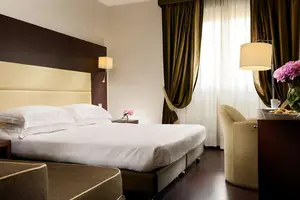
- Excellent room quality
- Friendly staff
- Good location
Points to consider
- Overpriced
- Food quality issues
- Minor cleanliness concerns
Location
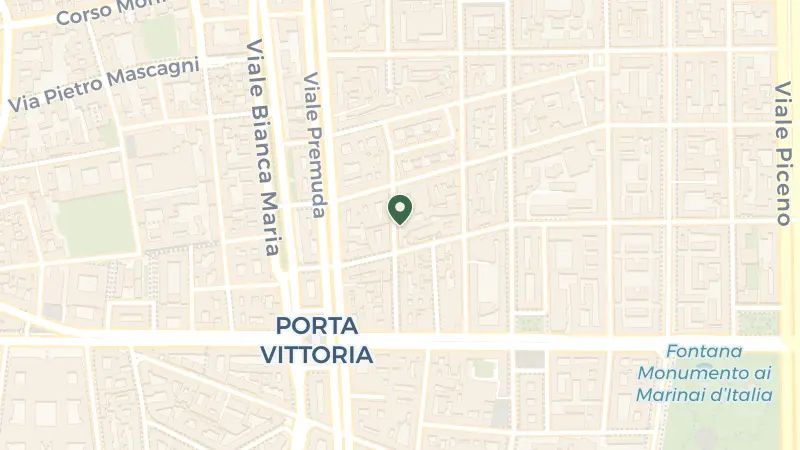
The XXII Marzo neighbourhood unfolds in Milan's Municipio 4, a district where residential calm meets the city's characteristic industrial grace. This is Milan at its most livable: tree-lined streets punctuated by neighborhood bakeries, wine bars tucked into nineteenth-century buildings, and the kind of local markets where vendors still remember your name. The area carries the patina of old Lombardy money without the tourist crush, a Milan where daily life happens at an unhurried Milanese pace.
Founded by Celts in 590 BC and later Latinized to Mediolanum by conquering Romans, Milan briefly served as capital of the Western Roman Empire before becoming the engine of Renaissance wealth under the Duchy of Milan. Today it stands as Italy's economic capital, its metropolitan area generating a fifth of the nation's GDP. Yet the city's heart beats strongest in neighborhoods like this one, where the Naviglio della Martesana's waterways recall an older Milan, before fashion weeks and finance towers.
The Church and Dominican Convent of Santa Maria delle Grazie, housing Leonardo da Vinci's Last Supper, sits three kilometres northwest. Linate Airport lies six kilometres east for European connections, while Malpensa handles intercontinental arrivals forty-two kilometres northwest.
Start at Enrico Bartolini al Mudec, the three-Michelin-starred headquarters of Bartolini's international operations, where the chef and resident talent Davide Boglioli craft dishes of remarkable flavor intensity four kilometres from the property. Closer still, Andrea Aprea's two-starred restaurant crowns the Luigi Rovati Foundation building just over a kilometre away, pairing certified sustainable architecture with a refined art museum. Book a table at either for Milan's most ambitious contemporary Italian cooking.
The Mercato Agricolo della Cuccagna brings Lombardy's farms to the city one and a half kilometres south, while Mercato di Campagna Amica di Porta Romana offers regional produce barely farther. Neighborhood wine bars reward exploration: Il nuovo principe a tavola sits under a kilometre away, part of a constellation of enotecas where Piedmont and Lombardy bottles pour generously. The masterwork at Santa Maria delle Grazie demands advance booking months out; Bramante's architectural intervention frames Leonardo's fading but transcendent fresco. Crespi d'Adda, the nineteenth-century company town twenty-nine kilometres northeast, stands as Europe's finest intact example of enlightened industrial paternalism, a UNESCO site where workers' cottages and factory still form a complete urban vision.
January and February bring the sharp cold of the Po Valley, temperatures dropping below freezing at night while fog softens Milan's Belle Époque architecture. The city turns inward: galleries fill, opera season peaks at La Scala, and Milanese wrap scarves against the damp chill that settles over the canals.
Spring arrives forcefully in March and April, rain frequent but temperatures climbing into the mid-teens. May sees Milan at its greenest, trees in full leaf and outdoor terraces reopening as temperatures reach the low twenties. June through August brings heat that can push near thirty degrees, though summer evenings stay pleasant and the city empties during August ferragosto when locals flee for the coast or lakes.
September and October offer Milan's finest weather: warm days in the mid-twenties tapering to autumnal cool, golden light slanting across piazzas, and the fashion calendar bringing energy back to the streets. November rains announce winter's return, fog creeping back across the Lombardy plain by December.
Frequently Asked Questions

Quotes are personally reviewed by Natasha Hardy, founder of The Uncommon Traveller
5.0 rating · 8 Google reviewsThere is no fee or markup. The hotel pays our commission.
Request a Quote 7 Bib Gourmand