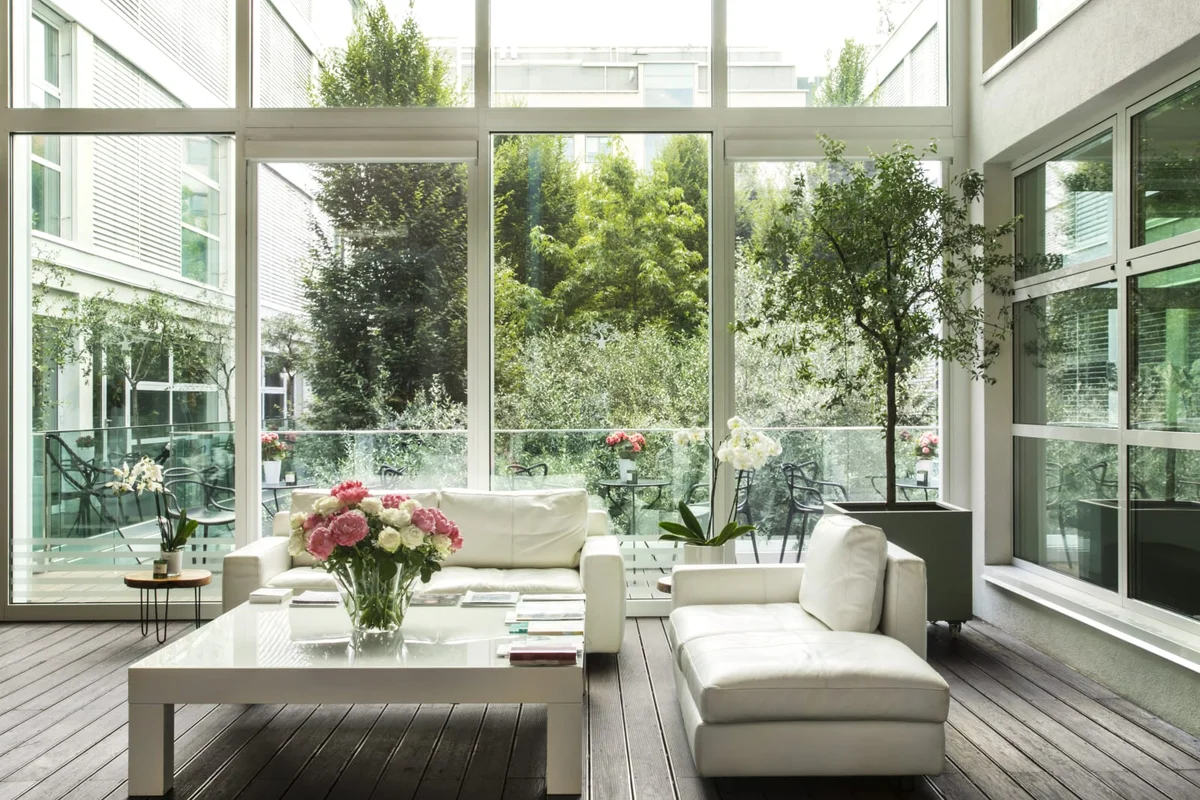
Magna Pars- L'Hotel à Parfum Small Luxury Hotels of the World
When you book Magna Pars- L'Hotel à Parfum Small Luxury Hotels of the World in Milan, Italy, through our withIN by SLH partnership, your stay includes daily continental breakfast for two and a hotel credit of $50-$100 USD per stay. You also receive a one-category room upgrade and early check-in when available. No premium credit card or membership needed: request a quote and our advisor books it at the same rate as booking direct.
Exclusive Booking Perks
These perks are included with your stay at the same rate as booking direct with the hotel.
- A credit worth $50-$100 (USD) per room, per stay to be spent only on extras such as F&B or Spa, only on property and during the stay
- Daily Continental breakfast for two people
- Room upgrade to next room category, subject to availability at the time of check-in
- Early check-in, subject to availability at the time of check-in
- Late check-out, subject to availability
Guest feedback
9.1/10 from 2,194 guest reviews
By category
Guests liked
- Excellent cleanliness and daily linen changes
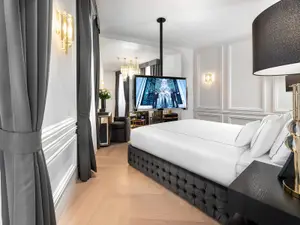
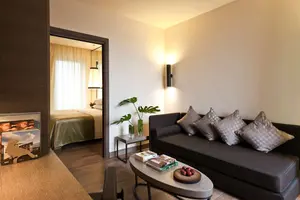
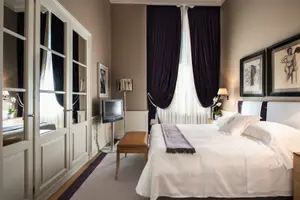
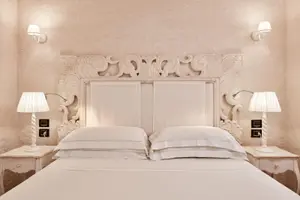
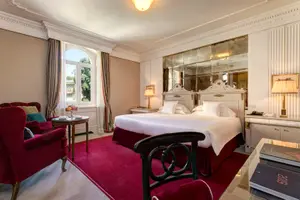
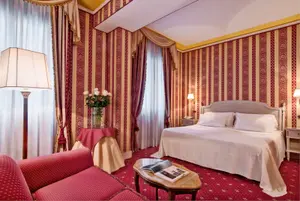
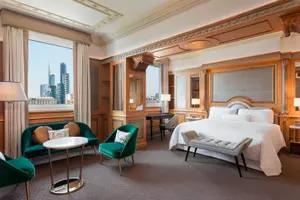
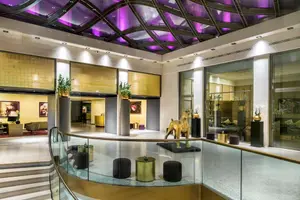
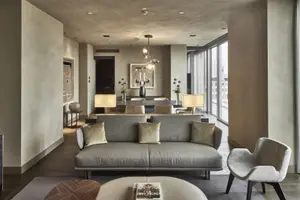
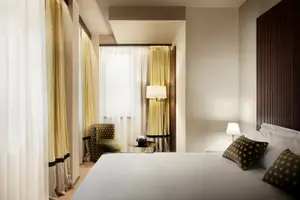
- Unique boutique design and well-furnished rooms
- Friendly and helpful staff in most cases
Points to consider
- Air conditioning issues in at least one room not resolved during stay
- Spa is external/not as advertised and booking was problematic
- Additional/high end charges and separate parking fees
Location
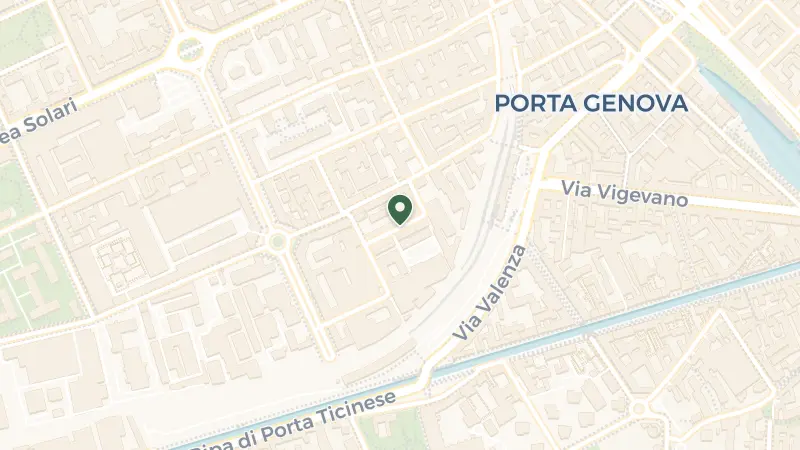
Magna Pars occupies a former perfume factory in Tortona, a creative district southwest of Milan's historic centre where industrial heritage has given way to design showrooms, contemporary galleries, and discreet wine bars. The neighbourhood hums with a quieter energy than the Duomo axis, its cobbled streets lined with converted warehouses that house furniture ateliers and experimental art spaces. This is Milan's design week heartland, where the city's reputation as a global capital of style plays out in studio workshops rather than gilded salons.
Milan itself rose from Celtic origins to become the Western Roman Empire's brief capital in the fourth century, a legacy visible in its layers of architecture and the cultural weight it still carries across northern Italy. The Duchy of Milan bankrolled much of the Renaissance, and its modern incarnation as Italy's economic engine drives a fifth of the nation's GDP. Beyond Tortona's warehouse conversions, the city unfolds in trams and tramlines, grand neoclassical arcades, and the kind of brisk commercial urgency that makes Rome feel provincial by comparison.
Linate Airport sits nine kilometres east, a quick taxi ride across the sprawling Milanese metropolitan area. Malpensa, the larger international hub, lies forty kilometres northwest, connected by express rail and coach services.
Enrico Bartolini al Mudec, a three-Michelin-starred flagship just four hundred metres from the property, anchors Milan's fine-dining scene with creative cuisine that chef Bartolini and resident chef Davide Boglioli continue to evolve around intensity of flavour rather than decorative flourishes. Book a table well ahead; this is where the city's design cognoscenti celebrate commissions. Closer still, the weekly Fiera di Sinigaglia market sprawls three hundred metres north along the Naviglio della Martesana, a jumble of vintage clothing, mid-century furniture, and cast-iron cookware that draws collectors at dawn. Mercato Papiniano, six hundred metres southeast, runs a more utilitarian line in produce and cheese, its stalls piled with parmigiano wedges and Ligurian olives.
Two kilometres northeast, the Church and Dominican Convent of Santa Maria delle Grazie houses Leonardo da Vinci's Last Supper in its refectory, the fresco's fading blues and ochres preserved under strict timed entry. The convent complex, begun in 1463 and later reworked by Bramante, remains one of Milan's most quietly powerful spaces. Start with the cloisters before viewing the fresco; the shift from Renaissance calm to Leonardo's compositional drama is part of the experience.
Winter settles over Milan in low grey light, temperatures hovering just above freezing, the damp chill amplified by fog rolling off the Naviglio canals. January and February bring occasional snow, more sleet than flurry, and the city contracts indoors around heated cafes and covered arcades.
Spring unfolds slowly, March and April punctuated by rain that turns the streets glossy and washes the plane trees lining the boulevards. May brings warmth without oppressive heat, the light lengthening across piazzas as outdoor tables reappear. Summer peaks in July and August, temperatures climbing toward thirty degrees, the city half-emptied as Milanese decamp to the lakes, leaving the centre sun-baked and languid.
Autumn is Milan's finest season, September through October delivering crisp mornings, golden afternoons, and the return of the fashion and design calendar. November turns grey again, the rain heavier, but the city regains its working rhythm, galleries opening new shows as the year accelerates toward winter once more.
Frequently Asked Questions

Quotes are personally reviewed by Natasha Hardy, founder of The Uncommon Traveller
5.0 rating · 8 Google reviewsThere is no fee or markup. The hotel pays our commission.
Request a Quote 7 Bib Gourmand