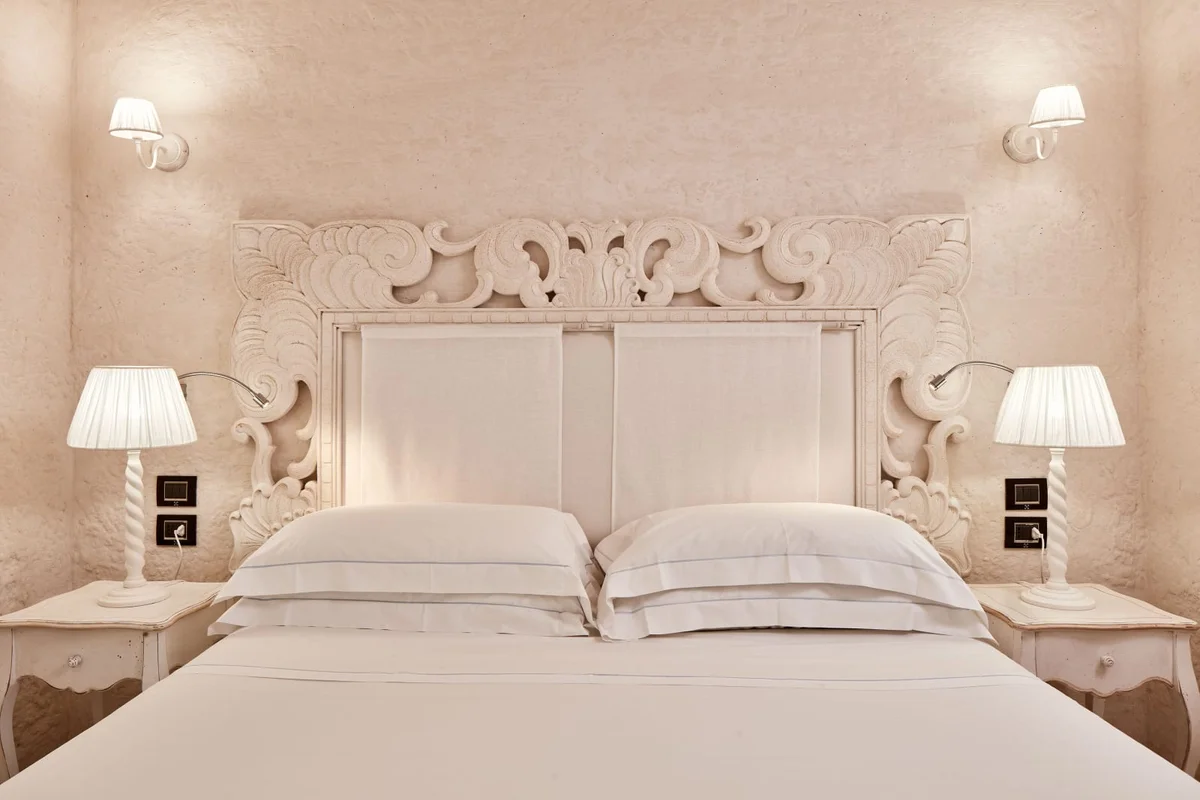
La Villa del Re - Adults Only - Small Luxury Hotels of the World
When you book La Villa del Re - Adults Only - Small Luxury Hotels of the World in Sardinia, Italy, through our withIN by SLH partnership, your stay includes daily continental breakfast for two and a hotel credit of $50-$100 USD per stay. You also receive a one-category room upgrade when available. No premium credit card or membership needed: request a quote and our advisor books it at the same rate as booking direct.
Exclusive Booking Perks
These perks are included with your stay at the same rate as booking direct with the hotel.
- A credit worth $50-$100 (USD) per room, per stay to be spent only on extras such as F&B or Spa, only on property and during the stay
- Daily Continental breakfast for two people
- Room upgrade to next room category, subject to availability at the time of check-in
- Early check-in, subject to availability at the time of check-in
- Late check-out, subject to availability
Location
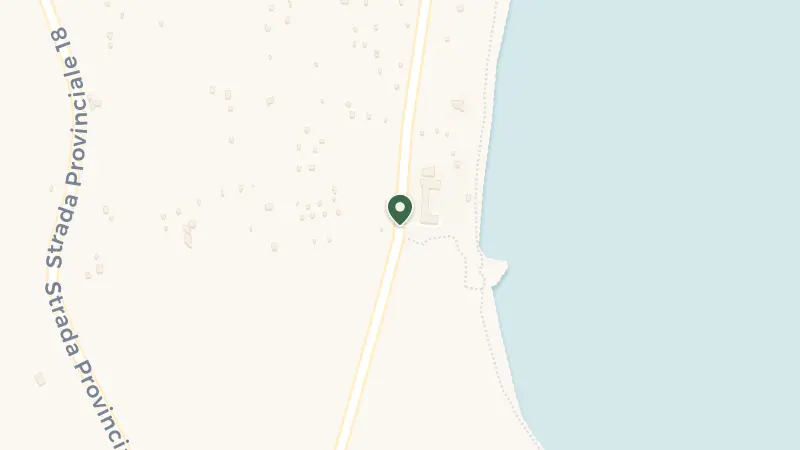
Small Luxury Hotels of the World has long championed properties where place and personalization matter above all else. That sensibility finds full expression on Sardinia's southeastern coast, where the town of Castiadas sits within the Sarrabus-Gerrei, a region of rugged inland peaks and long stretches of sand lapped by the Mediterranean. Founded in the fourteenth century and later repopulated through an ambitious nineteenth-century penal colony project (now documented in Alessandra Usai's film Il miracolo dei rei), Castiadas carries a layered history that sets it apart from the island's more manicured resort zones.
The landscape here is the draw. Spiaggia Sant'Elmo lies half a kilometre from the property, Costa Rei just over a kilometre south, both offering expanses of fine sand and translucent water that shifts from turquoise to deep cobalt depending on the hour. The beaches stretch long enough that solitude is easy to find, even in summer. Inland, the terrain rises into granite outcrops and macchia-covered hillsides punctuated by waterfalls (Cascata Riu Sa Modditzi sits twelve kilometres away, Su Meriagu Mannu a short drive beyond).
Cagliari Elmas Airport is forty-four kilometres to the west, a straightforward drive along the SS125. The road traces the coastline for much of the journey, passing through villages where Sardinian rather than Italian still colours the conversation. This stretch of the island retains vestiges of the prehistoric Nuragic civilization; Su Nuraxi di Barumini, a Bronze Age nuraghe complex inscribed as a UNESCO World Heritage Site, lies seventy-three kilometres northwest and offers context for the island's singular archaeological identity.
The property anchors itself to the coast, and most days here begin with a walk to the shoreline. Spiaggia San Pietro, two and a half kilometres south, and Cala Sinzias, just over three kilometres further, are both worth the effort for their crystalline water and relative quiet. For those drawn to the interior, Cascata di San Pietro Paradiso, an eight-metre waterfall nineteen kilometres inland, offers a cool respite after a morning on the sand. Archeo Diving in Villasimius, thirteen kilometres away, runs dives to offshore wrecks and drop-offs where grouper and amberjack cruise the rockface.
The dining scene here leans heavily on coastal tradition: bottarga shaved over fregola, ricci di mare spooned raw from the shell, vernaccia poured cold with grilled orata. Book a table at one of the local trattorias in Villasimius if you want to taste Sardinian cuisine at its most unapologetic. The island's wine culture runs deep; Cantina Argiolas, thirty-nine kilometres west, produces some of the region's most respected Cannonau and Vermentino, and visits can be arranged with advance notice. Tanka Golf Club, eleven kilometres north, offers eighteen holes with views over the Sarrabus hills.
July and August bring high-season heat, with temperatures climbing past twenty-eight degrees and the macchia humming with cicadas. The Mediterranean turns warm enough for long swims, and the beaches fill with Italian families on summer holiday. June and September offer the same clarity of light without the crowds, mornings still cool enough for hikes into the interior before the sun peaks overhead.
Winter is mild but unpredictable, with rain arriving in short, heavy bursts between December and February. The coast takes on a different character then: wind-scoured, emptier, the sea grey-green and restless. Spring is the season to visit if you want the landscape at its most vivid, wildflowers carpeting the hillsides in April and May, the air scented with myrtle and juniper.
October strikes the best balance for those who prefer solitude. The water remains swimmable, the light turns golden in the late afternoon, and the island's rhythm slows back to something closer to its own.
Frequently Asked Questions

Quotes are personally reviewed by Natasha Hardy, founder of The Uncommon Traveller
5.0 rating · 8 Google reviewsThere is no fee or markup. The hotel pays our commission.
Request a Quote 3 Bib Gourmand