Conrad Bangkok
When you book Conrad Bangkok in Thailand through our Hilton for Luxury partnership, your stay includes breakfast for two and a hotel credit of USD 100 per stay. You also receive a one-category room upgrade when available. You continue earning Hilton Honors points and elite night credits. No premium credit card or membership needed: request a quote and our advisor books it at the same rate as booking direct.
Exclusive Booking Perks
These perks are included with your stay at the same rate as booking direct with the hotel.
- VIP guest status
- Complimentary breakfast for 2 guests
- USD100 hotel credit per stay (or local equivalent)
- Double Hilton Honors Points
- Upgrade to next room category (subject to availability)
Location
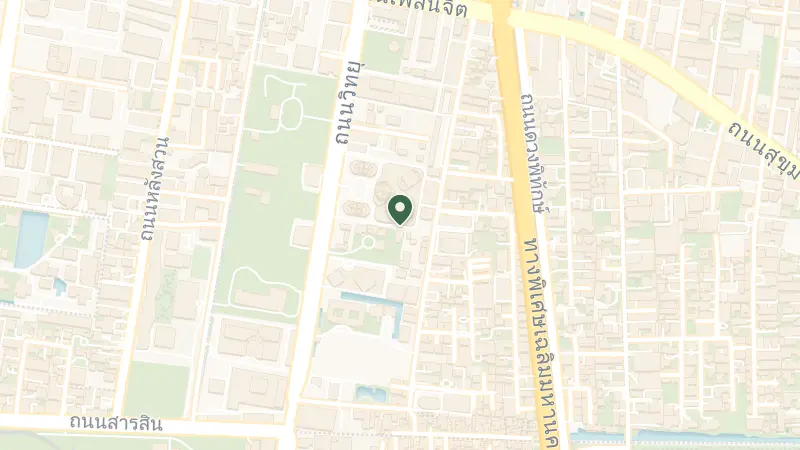
Conrad's approach to smart luxury finds vivid expression in Bangkok, where intuitive service and locally inspired design respond to a city whose energy never quite settles. The property sits in Pathum Wan, a district that traded its late-19th-century royal villas for a modern identity as the city's commercial heart. Within walking distance lies the sprawling green expanse of Lumphini Park, where monitor lizards bask beside the lake and early risers practice tai chi beneath the frangipani. The Ratchaprasong intersection pulses just beyond, its elevated walkways threading between glass towers and street-level shrines thick with marigold garlands and incense smoke.
Bangkok itself began as a modest Ayutthaya-era trading post in the 15th century before becoming the site of two capital cities: Thonburi in 1767, then Rattanakosin in 1782 when King Rama I established the current dynasty. The Chao Phraya River remains the city's defining artery, its muddy current bearing rice barges and long-tail boats past gilded temple spires and riverside shophouses. Pathum Wan marks where the old city boundary of Khlong Phadung Krung Kasem gave way to eastern expansion, and today the district balances Chulalongkorn University's leafy campus with the relentless commerce of the Siam shopping district.
Suvarnabhumi Airport lies 22 kilometres east; the elevated Airport Rail Link delivers passengers to Phaya Thai station in 30 minutes, while Don Mueang International Airport serves low-cost carriers 20 kilometres north.
The immediate neighbourhood favours urban exploration over resort seclusion. Lumphini Park offers morning respite, its perimeter path lined with vendors selling sliced guava and sticky rice as the city wakes. For dining that reaches beyond hotel restaurants, INDDEE sits just 700 metres away, its two Michelin stars earned through a storytelling approach to regional Indian cooking. Each course traces a journey across the subcontinent, fermentation and spice work rendered with exacting technique. Book a table at Sorn, 2.8 kilometres distant, where three-star recognition honours Chef SupakSorn Jongsiri's self-taught mastery of Southern Thai traditions. The refined menu weaves heritage ingredients with contemporary pacing; tom som pla, kua kling, and stir-fried sator beans reveal the cuisine's full breadth. Sühring occupies a 1970s villa 3.1 kilometres away, its three stars reflecting twin chefs' modern interpretation of German family recipes through fermenting, pickling, and curing.
Markets animate the district's rhythm. Chula Flea Market sprawls 1.8 kilometres south on weekends, its stalls hawking vintage denim, enamelware, and grilled moo ping. Patpong Night Market, 2.1 kilometres away, unfolds nightly beneath neon while Sam Yan Market offers daylight commerce in fried kanom krok and fresh pomelo. Flow House Bangkok's standing wave sits 2.9 kilometres distant for urban surfing; Yunomori's onsen-inspired baths lie at the same remove.
Bangkok's dry season stretches from November through February, when daytime highs hover near 30°C and humidity loosens its grip. Mornings arrive clear and breathable; evenings cool enough for rooftop gatherings and temple visits without the weight of monsoon air. This remains the prime window for travellers, though December and January draw peak crowds to the Grand Palace and floating markets.
March through May turns oppressive. Temperatures climb above 34°C, the sun relentless, the streets thick with heat shimmer. April, traditionally the year's hottest month, sees Songkran's water festival offer the only relief. Locals retreat to air-conditioned malls; outdoor exploration demands early starts.
The monsoon arrives in earnest by June and persists through October, September typically the wettest month. Afternoon downpours flood low-lying sois within minutes, then vanish as swiftly, leaving steaming pavement and the scent of wet concrete. The city doesn't halt, it simply adjusts. Temple courtyards glisten, street food vendors rig tarps, and the Chao Phraya runs high and fast.
Frequently Asked Questions

Quotes are personally reviewed by Natasha Hardy, founder of The Uncommon Traveller
5.0 rating · 8 Google reviewsThere is no fee or markup. The hotel pays our commission.
Request a Quote 44 Bib Gourmand