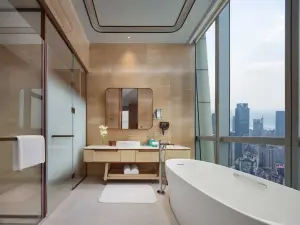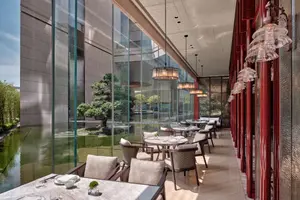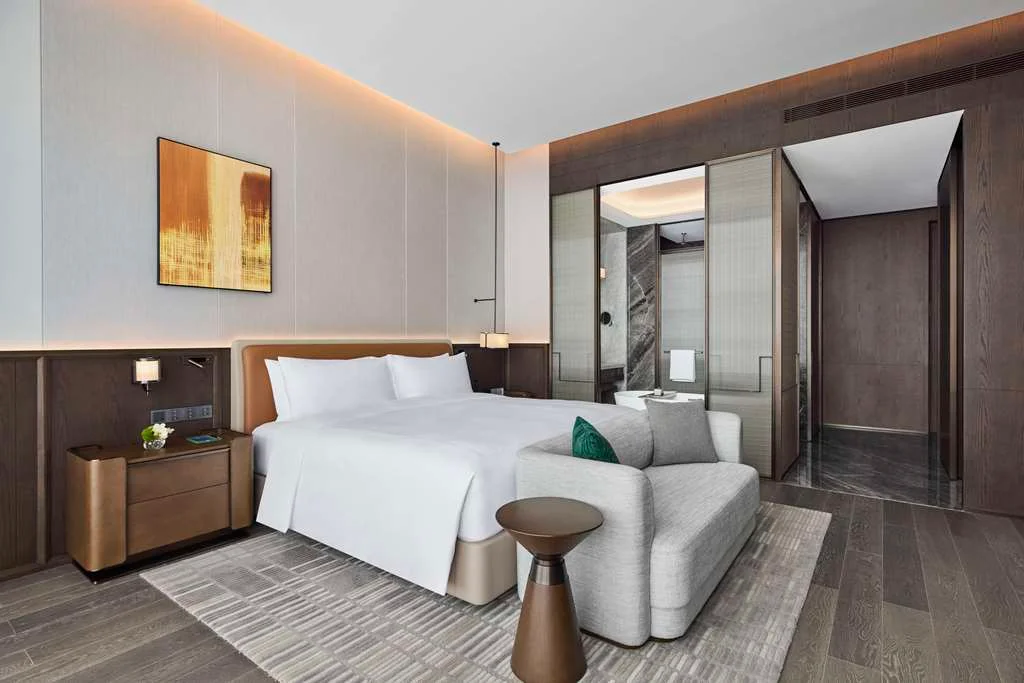
Conrad Chongqing
When you book Conrad Chongqing in China through our Hilton for Luxury partnership, your stay includes breakfast for two and a hotel credit of USD 100 per stay. You also receive a one-category room upgrade when available. You continue earning Hilton Honors points and elite night credits. No premium credit card or membership needed: request a quote and our advisor books it at the same rate as booking direct.
Exclusive Booking Perks
These perks are included with your stay at the same rate as booking direct with the hotel.
- VIP guest status
- Complimentary breakfast for 2 guests
- USD100 hotel credit per stay (or local equivalent)
- Double Hilton Honors Points
- Upgrade to next room category (subject to availability)
Location
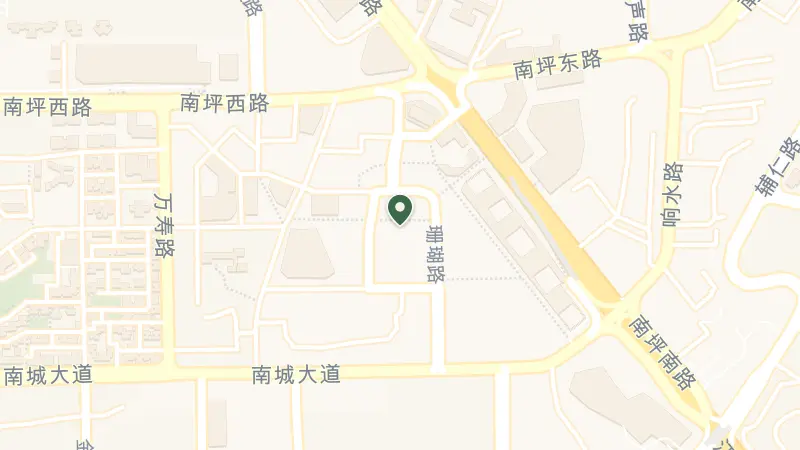
Conrad brings its signature blend of contemporary design and intuitive service to Chongqing, where smart luxury meets the distinctive character of southwest China's mountain metropolis. The property reflects the brand's commitment to locally inspired environments and curated experiences that anchor guests in their destination.
Chongqing rises from the confluence of the Yangtze and Jialing Rivers in a cascade of vertical neighborhoods, neon-lit bridges, and streets that tunnel through hillsides. The city's dramatic topography shaped its character: staircases replace sidewalks, buildings sprout from cliffsides at improbable angles, and the humid air carries the sharp-sweet scent of Sichuan peppercorns from countless hotpot restaurants. This is China's largest municipality by population, a sprawling industrial and commercial hub where ancient cliff carvings and sleek high-rises coexist along the same river bends. The Nanping district anchors the southern bank, a dense urban quarter where residential towers cluster near waterfront promenades and night markets pulse with energy after dark.
Chongqing Jiangbei International Airport lies 22 kilometers northeast, connected to the city center by metro and expressway, though travel times stretch during peak hours as traffic navigates the city's famously complex road network of tunnels and elevated highways.
The city's culinary identity centers on hotpot, the communal ritual of cooking meat and vegetables in bubbling chili oil that defines Chongqing's approach to hospitality. Taisho Market, four kilometers away, offers a more intimate look at local food culture: vendors sell fresh river fish, preserved vegetables, and the numbing huajiao peppercorns that give Sichuan cuisine its distinctive tingle. The Chengnan Night Market animates the southern district after sunset, its stalls serving grilled skewers, noodles dressed in chili oil, and cold rice jelly topped with pickled vegetables and peanuts.
The Dazu Rock Carvings lie 85 kilometers northwest, a collection of Buddhist, Taoist, and Confucian sculptures carved into hillsides between the 9th and 13th centuries. The site's 50,000 statues include the colossal Reclining Buddha and intricate narrative scenes depicting moral teachings and daily life during the Song Dynasty. Closer to the property, the Botanical Garden of Nanshan spreads across wooded slopes seven kilometers south, offering trails through bamboo groves and overlooks above the city's haze. Book an afternoon for the Feixue Waterfall, 24 kilometers out, where mist rises from the cascade into subtropical forest.
Winter settles over Chongqing in a damp chill, temperatures hovering around ten degrees while fog softens the river gorges and clings to the bridges. The city feels quieter, its outdoor markets less crowded, though hotpot restaurants run at full capacity. Spring brings warmth and persistent rain by April, the hills greening rapidly as precipitation peaks through May and June.
Summer descends heavy and humid, the thermometer climbing past thirty degrees while afternoon thunderstorms sweep through the river valleys. This is furnace season, when locals retreat indoors during midday and the streets come alive only after dark. Autumn offers relief by October, the air clearing as temperatures drop and the city's parks turn golden. November and December remain mild and relatively dry, the best months for exploring on foot before winter fog returns.
Frequently Asked Questions

Quotes are personally reviewed by Natasha Hardy, founder of The Uncommon Traveller
5.0 rating · 8 Google reviewsThere is no fee or markup. The hotel pays our commission.
Request a Quote