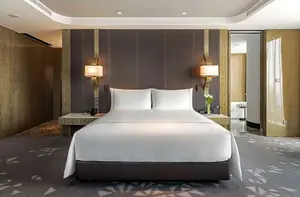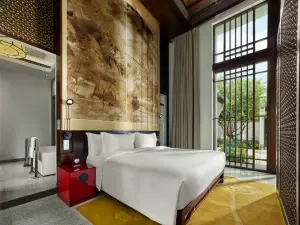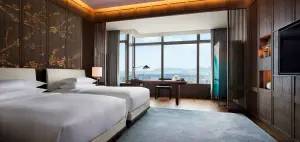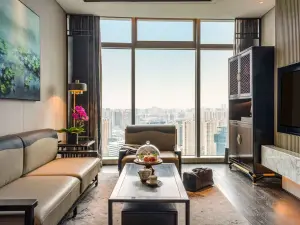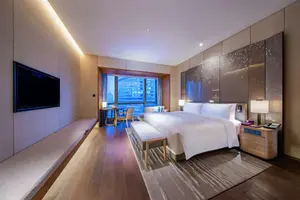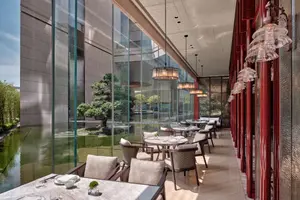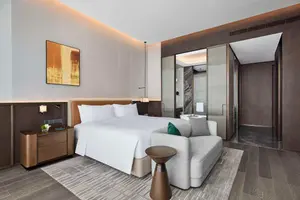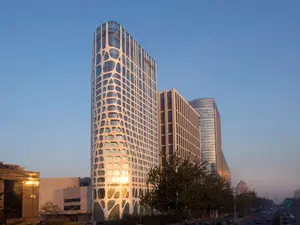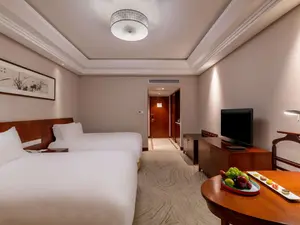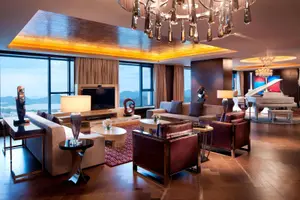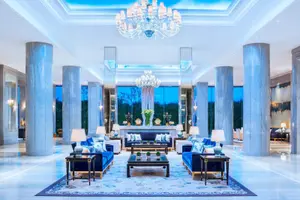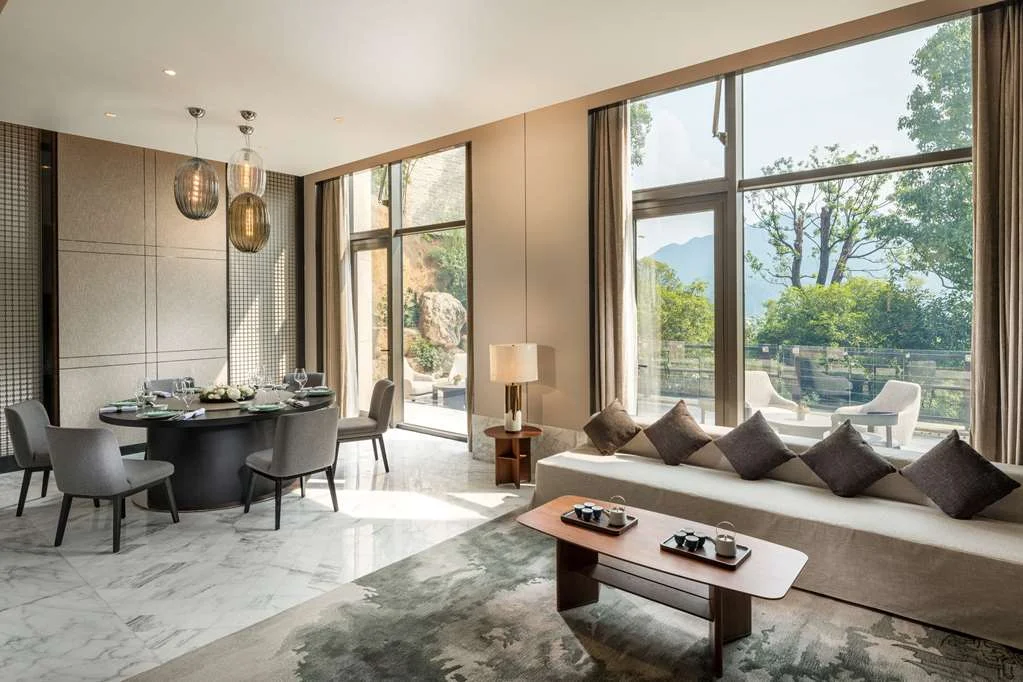
Conrad Hangzhou Tonglu
When you book Conrad Hangzhou Tonglu in China through our Hilton for Luxury partnership, your stay includes breakfast for two and a hotel credit of USD 100 per stay. You also receive a one-category room upgrade when available. You continue earning Hilton Honors points and elite night credits. No premium credit card or membership needed: request a quote and our advisor books it at the same rate as booking direct.
Exclusive Booking Perks
These perks are included with your stay at the same rate as booking direct with the hotel.
- VIP guest status
- Complimentary breakfast for 2 guests
- USD100 hotel credit per stay (or local equivalent)
- Double Hilton Honors Points
- Upgrade to next room category (subject to availability)
Location
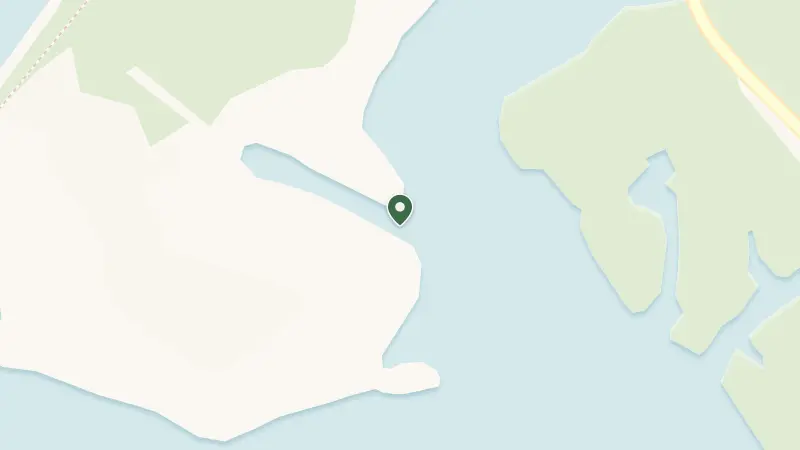
Conrad brings smart luxury and destination-sensitive design to its properties, pairing curated art with intuitive service and a local sense of place. This approach takes on particular resonance in Tonglu, a riverside county within the greater Hangzhou region where karst peaks rise abruptly from tea-planted valleys and the Fuchun River threads through limestone gorges. The landscape here inspired centuries of Chinese literati painters, and that aesthetic heritage remains palpable in the unhurried rhythm of village life and the mist that clings to ridgelines at dawn.
Laowu sits within a region that balances natural drama with cultural depth. To the north, roughly seventy-five kilometres distant, West Lake in central Hangzhou has shaped Chinese garden design and poetry since the Tang Dynasty, its pagoda-dotted shoreline and causeways now inscribed as a UNESCO Cultural Landscape. Closer still lie the Archaeological Ruins of Liangzhu City, evidence of a unified belief system that flourished along the Yangtze River Basin more than five millennia ago.
The property is positioned between three regional airports: Yiwu lies ninety-three kilometres to the south, Hangzhou Xiaoshan International one hundred and one kilometres northeast, and Huangshan Tunxi one hundred and sixteen kilometres west, each connecting this corner of Zhejiang Province to broader networks without sacrificing its relative seclusion.
The Fuchun River defines much of what draws travelers to Tonglu. Slow boat journeys reveal the same limestone bluffs and bamboo groves that appeared in fourteenth-century scroll paintings, and the surrounding countryside rewards exploration on foot or bicycle. Villages produce Longjing tea on terraced hillsides, and local markets trade river fish, seasonal vegetables, and handmade paper in a rhythm that predates the county's recent tourism attention. The karst topography creates pockets of microclimate and biodiversity; trails wind through caves and along ridgetops where the air smells of wet stone and pine resin.
Cultural excursions extend to Hangzhou proper, where West Lake's temples, gardens, and causeways have inspired poets for more than a thousand years. The Leifeng Pagoda and Lingyin Temple anchor centuries of Buddhist scholarship, while the lakeshore teahouses serve Longjing prepared in the traditional gaiwan style. Book a morning departure to experience the lake before crowds gather, when early light softens the water and the surrounding hills emerge from haze. The drive takes roughly ninety minutes, making it feasible as a day trip while preserving Tonglu's quieter appeal as a base.
Winter brings crisp, clear days when temperatures hover near freezing at night and reach only eight degrees by afternoon, the bare karst peaks standing sharp against pale skies. Spring arrives abruptly in late March with warmth that coaxes tea shoots from the hillsides and sends mist curling through the valleys, though April and May turn wet as the plum rains settle in.
Summer peaks in July and August with heat that climbs past thirty degrees and humidity that thickens the air, the Fuchun River becoming the region's cooling artery and the forested gorges offering shade. Autumn is the prime season: September through November sees temperatures drop to the low twenties, the light turns golden, and the countryside takes on the amber and rust tones that defined classical Chinese landscape painting.
Frequently Asked Questions

Quotes are personally reviewed by Natasha Hardy, founder of The Uncommon Traveller
5.0 rating · 8 Google reviewsThere is no fee or markup. The hotel pays our commission.
Request a Quote