Midtown Shangri-La, Hangzhou
When you book Midtown Shangri-La, Hangzhou in China, through our Shangri-La Luxury Circle partnership, your stay includes full breakfast for two and a hotel credit of USD $50 or $100 once per stay. You also receive a one-category room upgrade, early check-in and late check-out when available. No premium credit card or membership needed: request a quote and our advisor books it at the same rate as booking direct.
Exclusive Booking Perks
These perks are included with your stay at the same rate as booking direct with the hotel.
- Upgrade to the next room type category at the time of booking, subject to availability
- Hotel credit of USD $50 or $100 (once per stay)
- Complimentary full breakfast for two, including in-room dining
- A VIP Welcome Amenity
- Early check-in and late check-out, subject to availability
Guest feedback
8.6/10 from 87 guest reviews
By category
Guests liked
- Good stay
- Great location
- Good size room
Location
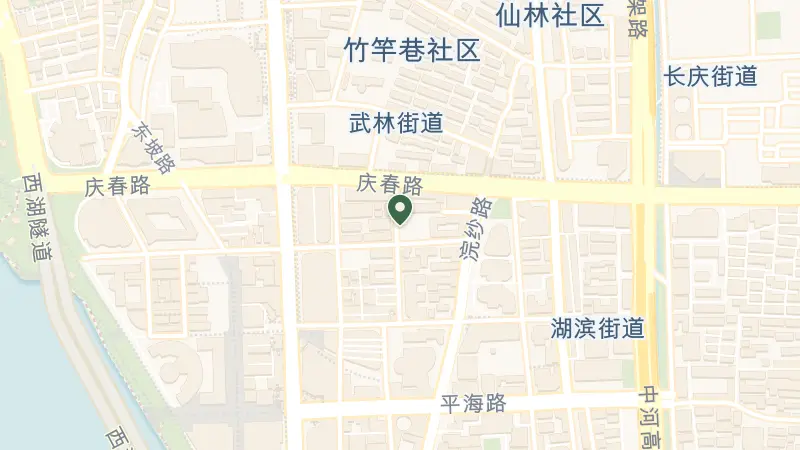
Shangri-La brings its Asian-rooted hospitality and signature CHI wellness philosophy to Hangzhou, a city where poets and scholars have drawn inspiration for over a millennium. The Hubin neighbourhood places you steps from West Lake, the UNESCO-inscribed body of water whose willows, bridges, and mist-shrouded islands have shaped Chinese aesthetics since the 9th century. Three kilometres west, the lake's cultural landscape unfolds in a succession of causeways, temples, and pagodas rising from forested hills, each referenced in centuries of classical poetry and scroll painting.
The neighbourhood itself hums with a different energy: silk merchants once traded here, and the rhythm of contemporary Hangzhou still carries traces of that mercantile past. Sip Longjing tea in a lakefront teahouse, watch elderly locals practising taiji as dawn breaks over the water, or follow the scent of osmanthus blossoms through tree-lined streets in late autumn.
Hangzhou Xiaoshan International Airport lies twenty-six kilometres to the southeast, connected by metro and taxi. High-speed rail from Shanghai arrives in under an hour, delivering you to a city that has always existed at the intersection of natural beauty and urban sophistication.
Yu Zhi Lan, a one-star Sichuan restaurant from Chengdu, occupies a restored 1930s residence six hundred metres from the property. The menu introduces subtle Hangzhou influences to refined Sichuan dishes, each course balancing the clarity of local ingredients with the complexity of Sichuan technique. Book a table to experience mapo tofu reimagined with West Lake lotus root, or tea-smoked duck that nods to both regional traditions. Four kilometres northwest, Ru Yuan holds two Michelin stars for its meticulous interpretations of Zhejiang cuisine: Xihu fish in vinegar sauce arrives with a precision that elevates the familiar into revelation, while sautéed shrimp with Longjing tea leaves speaks directly to Hangzhou's agricultural heritage.
Beyond the table, the West Lake Cultural Landscape rewards slow exploration. Walk the Su Causeway at daybreak when the mist sits thick on the water, or visit Leifeng Pagoda for perspective over the entire basin. Xixi National Wetland Park, nine and a half kilometres west, threads waterways through stands of persimmon trees and floating vegetable gardens. Start with the lake, then follow the canals deeper into the countryside.
January through March brings cold mornings and temperatures that hover near freezing at dawn, the lake shrouded in a pale winter light that painters have chased for centuries. By April, the city warms to twenty degrees, and the causeway willows flush green.
June marks the onset of the plum rain season, when humidity climbs and afternoon showers drench the lake basin. July and August push past thirty degrees, the air thick and still, locals retreating indoors during midday heat. September offers relief: temperatures ease, skies clear, and the first osmanthus blossoms perfume the streets.
October and November deliver Hangzhou's finest weather, with crisp air, golden light, and comfortable walking conditions. The tourist crowds that pack the lakefront in summer thin out, leaving space to appreciate the landscape that inspired a thousand years of poetry.
Frequently Asked Questions

Quotes are personally reviewed by Natasha Hardy, founder of The Uncommon Traveller
5.0 rating · 8 Google reviewsThere is no fee or markup. The hotel pays our commission.
Request a Quote 33 Bib Gourmand