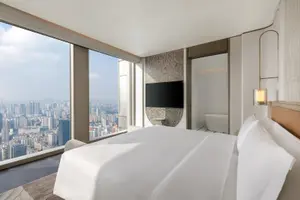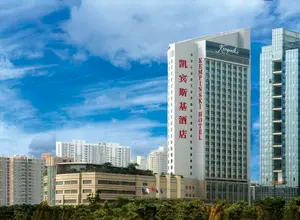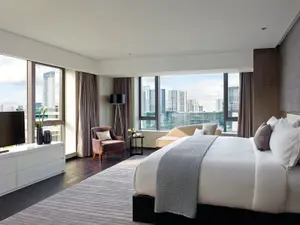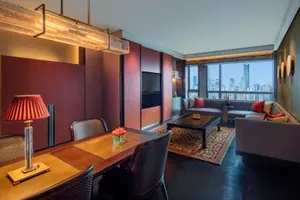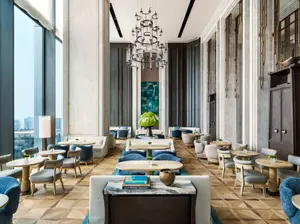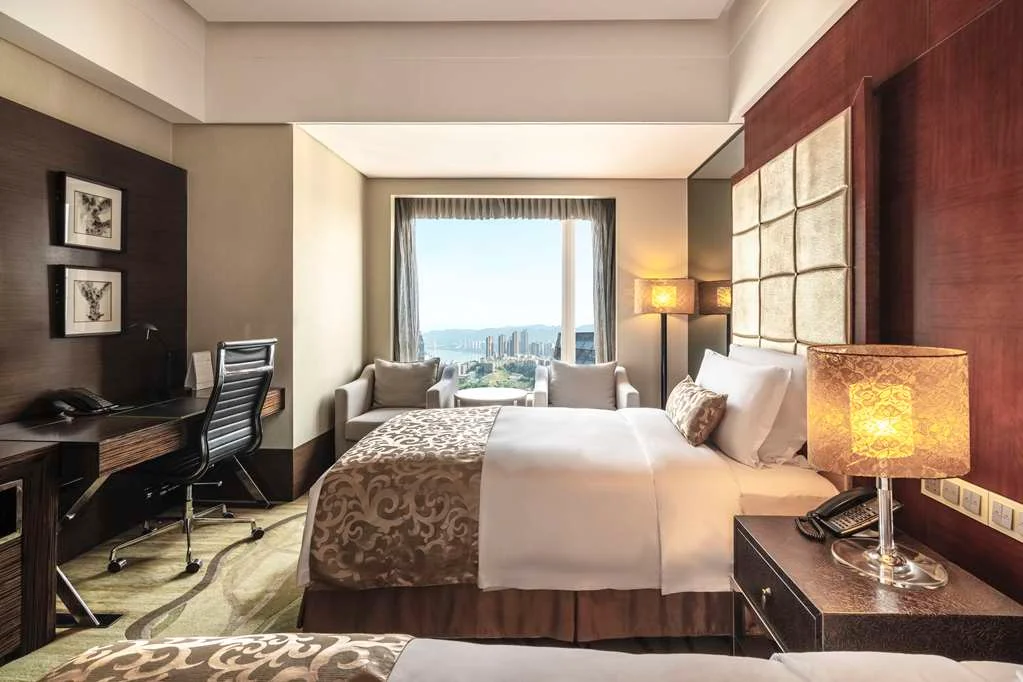
Kempinski Hotel Chongqing
When you book Kempinski Hotel Chongqing in China through our Kempinski Club 1897 partnership, your stay includes daily breakfast for two. Your stay also includes a hotel credit of USD 50 or USD 100 once per stay. You also receive a room upgrade, early check-in and late check-out when available. No premium credit card or membership needed: request a quote and our advisor books it at the same rate as booking direct.
Exclusive Booking Perks
These perks are included with your stay at the same rate as booking direct with the hotel.
- Daily breakfast for two people at the main restaurant
- Early check-in, late check-out subject to availability
- USD 50 or USD 100 hotel credit to spend in the hotel once per stay, not refundable (confirm with the hotel directly)
- Upgrade subject to availability upon check-in
Guest feedback
10.0/10 from 114 guest reviews
By category
Guests liked
- Excellent location
- Friendly and helpful staff
Points to consider
- Shower floor tends to pool water
- Not close to subway station but manageable
Location
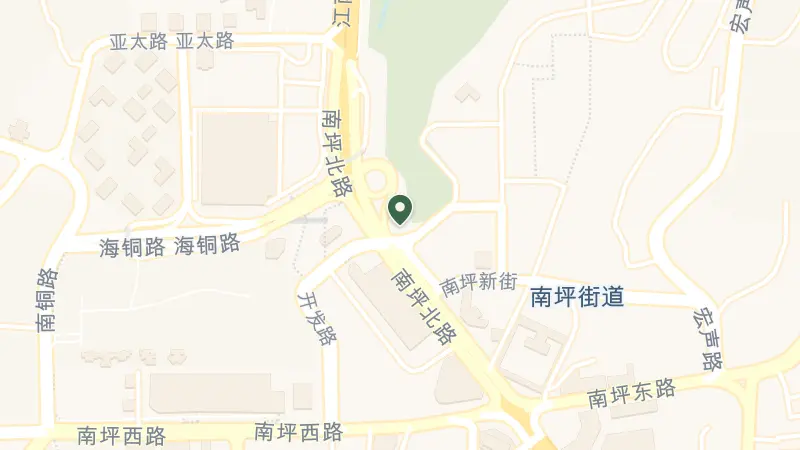
Kempinski's heritage in European luxury translates effortlessly to Chongqing, a sprawling megacity carved into the confluence of the Yangtze and Jialing rivers. This is China's mountain city, where high-rises cling to steep hillsides and fog drifts through river gorges at dawn. The property sits in a district that pulses with the energy of modern Chongqing: glass towers reflect the moody sky, street vendors grill skewers fragrant with Sichuan peppercorns, and the honk of river ferries echoes up from the water.
Within walking distance, Taisho Market offers a glimpse into daily life, its aisles stacked with pickled vegetables, dried chilies, and cuts of pork destined for hotpot broths. The city's famous cable cars glide overhead, carrying commuters and curious travelers across the Yangtze. Chongqing's history as a wartime capital during the Second World War adds gravitas to its frenetic present, though the city's true identity lies in its food culture and the operatic cadence of the local dialect.
Chongqing Jiangbei International Airport lies 22 kilometres northeast, connected by metro and taxi. The city's topography means getting anywhere involves climbing stairs or tunneling through hillsides, a vertical geography that gives each neighbourhood its own microclimate and character.
Start your exploration with the sensory overload of Chongqing's street food: numb-your-lips mala tang, crisp jianbing folded around scallions and chili paste, skewers of grilled squid glistening under neon lights. Taisho Market, less than four kilometres away, is where locals shop for hotpot essentials, the air thick with the funk of fermented black beans and dried Sichuan peppers. The Botanical Garden of Nanshan, about seven kilometres south, offers reprieve from the urban intensity with bamboo groves and walking paths that wind through subtropical flora. For a deeper cultural encounter, the Dazu Rock Carvings lie 85 kilometres to the west: Buddhist, Confucian, and Taoist sculptures etched into cliffsides between the ninth and thirteenth centuries, their detail and preservation startling even after a millennium.
Don't miss the chance to ride the Yangtze River cable car at dusk, when the city lights begin to flicker and the water turns silver. Book an evening for authentic Chongqing hotpot, preferably at a local institution where the broth arrives bubbling with chili oil and the menu lists tripe, duck intestines, and lotus root alongside more familiar fare.
Winter (December through February) brings cool, misty days when temperatures hover around 10°C and the city disappears into its famous fog. The chill is damp rather than biting, and indoor hotpot restaurants become evening sanctuaries. Spring (March through May) sees temperatures climb into the low twenties, though April and May bring heavy rains that drum on awnings and send locals scurrying under umbrellas. The air smells green and alive, petrichor mixing with street-food smoke.
Summer (June through August) is hot and humid, with highs above 30°C and afternoon thunderstorms that do little to cool the pavement. Locals retreat indoors during midday heat, emerging only after dark when night markets come alive. Autumn (September through November) is the ideal window: warm, less humid, with reliable sunshine and temperatures in the low twenties. The light turns golden, the river runs clearer, and the city feels most itself.
Frequently Asked Questions

Quotes are personally reviewed by Natasha Hardy, founder of The Uncommon Traveller
5.0 rating · 8 Google reviewsThere is no fee or markup. The hotel pays our commission.
Request a Quote