Fairmont Baku - Flame Towers
When you book Fairmont Baku - Flame Towers in Azerbaijan through our Accor Hera partnership, your stay includes daily breakfast for two and a $100 USD hotel credit. You also receive a room upgrade, early check-in and late check-out when available. You continue earning ALL Accor points and elite night credits. No premium credit card or membership needed: request a quote and our advisor books it at the same rate as booking direct.
Exclusive Booking Perks
These perks are included with your stay at the same rate as booking direct with the hotel.
- Daily complimentary breakfast for 2, per room
- $100 USD credit to be spent on property (conditions defined at check-in)
- Early check-in & late check-out (upon availability)
- Upgrade at time of check-in (upon availability)
Location
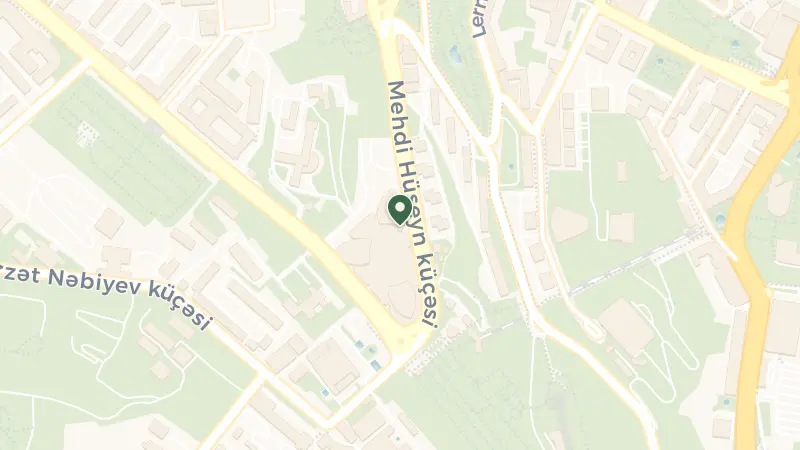
Fairmont is known for establishing landmark hotels in gateway cities worldwide, properties that anchor their districts and define skylines. The Baku outpost continues that tradition in a city where the Caspian Sea meets the Caucasus, delivering large-format hospitality with extensive amenities and multiple dining venues characteristic of the brand's legacy approach.
Baku sprawls along the southern shore of the Absheron Peninsula, 28 metres below sea level, making it the world's lowest-lying capital. The air smells faintly of salt and petrochemicals, a reminder that this city grew wealthy on oil, yet the UNESCO-protected Old City, Icherisheher, holds layers of Zoroastrian, Persian, and Ottoman history within its medieval walls. Walking distance from the hotel, the Maiden Tower and Palace of the Shirvanshahs stand as quiet counterpoints to the modern glass-and-steel skyline that has transformed Baku into a stage for international events and Formula 1 races.
The city hums with a particular energy: Russian, Turkish, and Azerbaijani voices overlap in the narrow lanes near Pasaj Bazarı, where vendors sell pomegranates, fresh herbs, and stacks of thin lavash. Heydar Aliyev International Airport sits 23 kilometres southeast, an efficient gateway linking the Caspian basin to Europe and the Middle East.
Within walking distance, the Walled City of Baku reveals over two millennia of occupation: Sasanian fire temples, Shirvanshah courtyards, and stone carvings that speak to the region's pre-Islamic past. Stroll through Icherisheher's alleyways to reach the 12th-century Maiden Tower, its origins still debated among archaeologists. One kilometre away, these fortifications contrast sharply with the surrounding modernist boulevards and the Flame Towers that punctuate the skyline. The Old City's atmospheric teahouses serve black tea in armudu glasses alongside pakhlava and regional preserves.
For provisioning or people-watching, Pasaj Bazarı lies just over a kilometre north, a covered market where stallholders arrange saffron, dried fruit, and locally pressed walnut oil under vaulted ceilings. Book a driver for the 46-kilometre journey south to Gobustan, where more than 6,000 Neolithic petroglyphs document ancient hunters and dancers on wind-scoured boulders. The landscape feels almost lunar, semi-desert stretching toward mud volcanoes that bubble quietly in the distance, offering a stark contrast to the Caspian shoreline.
July and August bring desert heat, with temperatures climbing above 30°C and the Caspian reflecting a hard, metallic light. The streets empty during midday, and the dry air carries the scent of dust and salt. These months see almost no rain, making it ideal for extended walks through the Old City's shaded courtyards but demanding early starts for outdoor excursions.
Spring and autumn offer the most balanced conditions. May through early June and late September bring warm days in the low to mid-20s, with cooler evenings that make terrace dining pleasant. The light softens, and the city's parks fill with locals taking advantage of the reprieve from summer's intensity.
Winter remains surprisingly mild, though December sees the most rainfall and grey skies can settle over the bay for days. Temperatures hover between 5°C and 10°C, and the wind off the Caspian cuts through lighter layers, but indoor cultural sites remain compelling, and the city takes on a quieter, more introspective character.
Frequently Asked Questions

Quotes are personally reviewed by Natasha Hardy, founder of The Uncommon Traveller
5.0 rating · 8 Google reviewsThere is no fee or markup. The hotel pays our commission.
Request a Quote