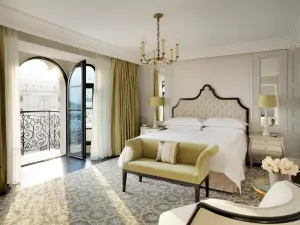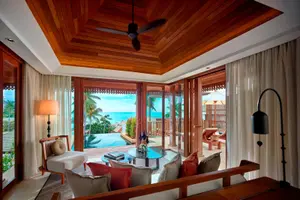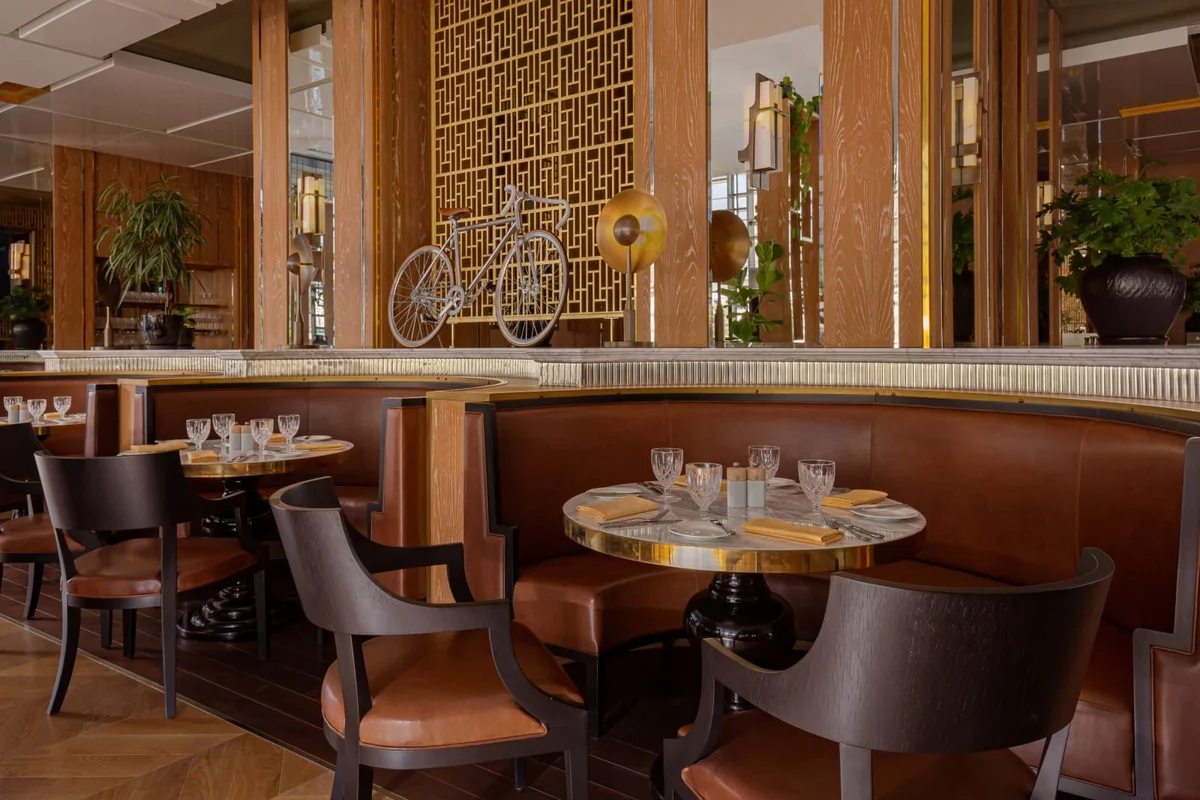
The Ritz-Carlton, Baku
When you book The Ritz-Carlton, Baku in Azerbaijan, through our Marriott STARS partnership, your stay includes daily breakfast for two and a $100 USD hotel credit once per stay. You also receive a room upgrade, early check-in and late check-out when available. You continue earning Marriott Bonvoy points and elite night credits. No premium credit card or membership needed: request a quote and our advisor books it at the same rate as booking direct.
Exclusive Booking Perks
These perks are included with your stay at the same rate as booking direct with the hotel.
- Personalized and customized amenity
- Complimentary breakfast daily for two guests per room
- All STARS hotels offer a hotel credit valued at $100 USD (once per stay)
- Early check-in and late check-out (when available)
- Complimentary upgrade (if available at check-in)
Location
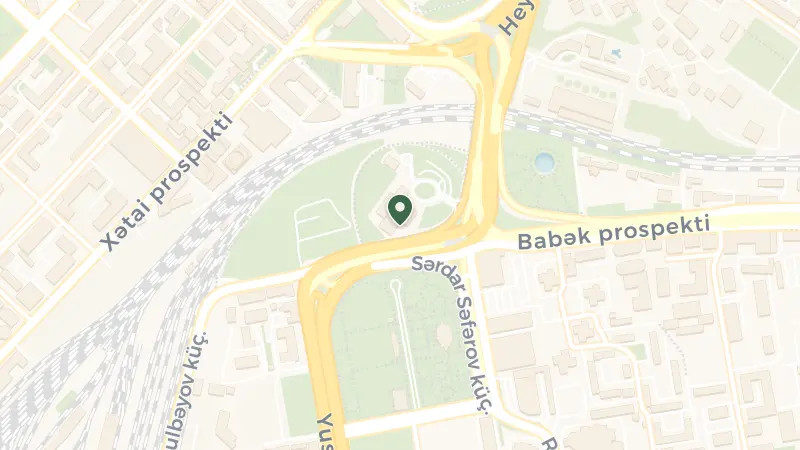
Ritz-Carlton's signature approach, rooted in personalized service and meticulous attention to guest preferences, finds distinctive expression in Baku, a city where centuries of cultural layering meet Caspian Sea breezes. The property anchors itself in Nrimanov rayonu, a central district that offers direct access to both the capital's contemporary energy and its deeper historical currents.
Baku sits 28 metres below sea level on the Absheron Peninsula, making it the lowest-lying capital on earth. The Caspian laps at its southern shore, while inland, the streets carry traces of Zoroastrian fire worship, Persian influence, and Soviet-era ambition now recast in glass and steel. Within four kilometres, the Walled City unfolds as a UNESCO site: the Shirvanshah's Palace and Maiden Tower rise from stones inhabited since the Palaeolithic, evidence of continuous settlement through Sasanian, Arabic, Ottoman, and Russian eras. Walk these cobbled lanes and you'll hear Azerbaijani echoing off medieval walls, smell fresh tandir bread from corner bakeries, and see artisans hammering copper in workshops unchanged for generations.
Heydar Aliyev International Airport lies 18 kilometres northeast. The drive into the city follows the bay, offering first glimpses of the Flame Towers, three glass spires that flicker orange and blue after dark, a modern nod to Azerbaijan's ancient fire-worshipping past and its oil-fueled present.
Sharg Bazaar sits 800 metres from the property, a labyrinth of spice stalls and dried fruit vendors where pomegranate molasses is sold by the jar and saffron comes in crimson bundles. One kilometre north, Green Bazaar sprawls across several blocks: cheese wheels from mountain villages, fresh sturgeon roe from the Caspian, bunches of tarragon and coriander tied with string. The Walled City, four kilometres away, demands at least half a day. The Shirvanshah's Palace complex, built in the 15th century, reveals successive rulers' architectural ambitions through its domed tomb, mosque, and bathhouse. Climb the Maiden Tower's eight floors for views across the bay. Book a guide who can decode the Kufic inscriptions and Zoroastrian symbolism embedded in the stonework.
Fifty kilometres south, Gobustan Rock Art Cultural Landscape preserves more than 6,000 petroglyphs etched into rocky outcrops, some dating back 40,000 years. The images depict hunting scenes, fertility rituals, and dancers in ceremonial postures. Pair this with the nearby mud volcanoes that bubble and hiss across the plateau, a surreal geological counterpoint to the ancient carvings. Closer to the city, Hillside winery, 3.6 kilometres away, offers tastings of local varietals grown in volcanic soil.
Summer in Baku is fierce and bone-dry. July and August push past 30°C, and the Caspian does little to soften the heat; the city slows, shutters drop at midday, and locals retreat indoors until evening when the waterfront comes alive. Just four millimetres of rain fall across these two months combined. The light is relentless, bleaching stone facades to pale gold.
Spring and autumn bracket the best travel windows. May brings temperatures around 22°C, enough warmth to explore the Walled City without wilting, while September hovers near 26°C with the Caspian still swimmable. These months carry a softness: longer shadows, market stalls piled with figs and persimmons, a hint of breeze off the water.
Winter is short and mild. December sees the most rain, but even then, highs reach nearly 10°C. The Old City feels more intimate under grey skies, and the tandir ovens glow warmer in the dim afternoon light. Snow is rare, and when it does fall, it vanishes quickly on the salt-scrubbed streets.
Frequently Asked Questions

Quotes are personally reviewed by Natasha Hardy, founder of The Uncommon Traveller
5.0 rating · 8 Google reviewsThere is no fee or markup. The hotel pays our commission.
Request a Quote