JW Marriott Absheron Baku
When you book JW Marriott Absheron Baku in Azerbaijan through our Marriott Luminous partnership, your stay includes daily breakfast for two and a welcome amenity. You also receive a room upgrade, early check-in and late check-out when available. No premium credit card or membership needed: request a quote and our advisor books it at the same rate as booking direct.
Exclusive Booking Perks
These perks are included with your stay at the same rate as booking direct with the hotel.
- Welcome amenity
- Complimentary breakfast daily for two guests per room
- Early check-in and late check-out (when available)
- Complimentary upgrade (if available at check-in)
Location
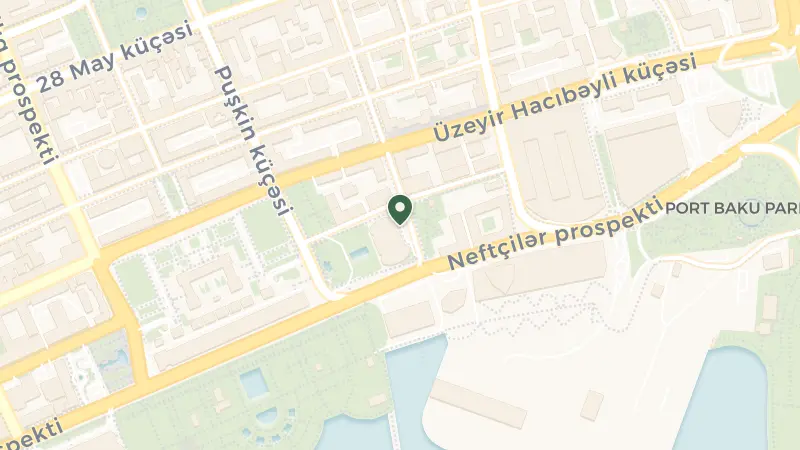
Baku sprawls along the Caspian shore, its seafront promenades and wind-scoured boulevards carrying the salt tang of the world's largest enclosed body of water. The city sits 28 metres below sea level, the lowest-lying capital on earth, a curious geographic fact that somehow suits its identity as a place where empires collided and oil wealth transformed mud-brick settlements into a metropolis of flame towers and Belle Époque mansions. The Old City, two kilometres west, reveals layers of Zoroastrian, Persian, Shirvani, and Russian presence within its medieval walls: the Palace of the Shirvanshahs commands the high ground, while the enigmatic Maiden Tower rises like a stone drum above narrow cobbled streets that have witnessed centuries of trade caravans and conquest.
The property sits in Nasimi Raion, a central district where Baku's modernist ambitions meet its mercantile past. Within walking distance, Green Bazaar unfolds in a riot of spice pyramids, pomegranate juice vendors, and vendors hawking saffron-stained sweets. The air here smells of coriander, smoked sturgeon, and diesel from the Ladas idling along tree-lined streets.
Heydar Aliyev International Airport lies 20 kilometres northeast, connected by taxi or shuttle along highways that slice through the Absheron Peninsula's arid scrubland.
Baku's culinary landscape leans heavily on the grill and the cauldron: plov studded with dried fruit and lamb, kebabs charred over vine cuttings, and dovga, a yogurt soup spiked with dill and sorrel. For provisions or people-watching, start at Sharg Bazaar, 1.4 kilometres from the property, where vendors stack wheels of imeruli cheese beside jars of pickled garlic and rose petal jam. The Walled City rewards a full afternoon: walk the ramparts, descend into caravanserais that now house carpet workshops, and lose yourself in the labyrinth where cats doze on sun-warmed stone. Don't miss the Gobustan Rock Art Cultural Landscape, 49 kilometres south, where more than 6,000 Neolithic petroglyphs depict hunting scenes, ritual dances, and reed boats that once crossed the Caspian millennia before oil rigs punctured the sea floor.
In summer, Bakuvians flee the heat for the beaches strung along the Absheron coast: 1001, nine kilometres east, offers cabanas and shallow water where families wade while the scent of grilled fish drifts from shoreline shacks. Hillside, a winery just over two kilometres from the hotel, produces surprisingly crisp whites from local madrasa grapes, a quiet rebellion against centuries of Islamic tradition.
July and August bring furnace heat, with temperatures pushing past 30 degrees and the city slowing to a torpid crawl. The Caspian shimmers under haze, and afternoon winds called the gilavar whip dust through the streets, carrying the faint reek of petroleum from offshore rigs.
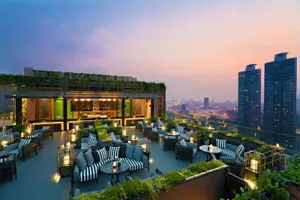
Spring arrives in late April and stretches into early June, when the thermometer hovers in the low twenties and the light turns golden over the Old City's honey-coloured stone. This is the season for rooftop dining and unhurried walks along Baku Boulevard, the seaside promenade where families stroll past fountains and ice cream vendors.
Winter is mild but bleak, the sky a flat grey lid over the Caspian, temperatures dipping to single digits. November and December bring the year's heaviest rains, turning the streets slick and reflective. Visit between April and June or in early autumn for the best balance of warmth and clarity.
Frequently Asked Questions

Quotes are personally reviewed by Natasha Hardy, founder of The Uncommon Traveller
5.0 rating · 8 Google reviewsThere is no fee or markup. The hotel pays our commission.
Request a Quote