Fiji Marriott Resort Momi Bay
When you book Fiji Marriott Resort Momi Bay through our Marriott Luminous partnership, your stay includes daily breakfast for two and a welcome amenity. You also receive a room upgrade, early check-in and late check-out when available. No premium credit card or membership needed: request a quote and our advisor books it at the same rate as booking direct.
Exclusive Booking Perks
These perks are included with your stay at the same rate as booking direct with the hotel.
- Welcome amenity
- Complimentary breakfast daily for two guests per room
- Early check-in and late check-out (when available)
- Complimentary upgrade (if available at check-in)
Guest feedback
9.2/10 from 226 guest reviews
Read what guests commentedBy category
Guests liked
- Friendly staff
- Beautiful location
- Great amenities
Points to consider
- Food quality issues
- Security concerns
Location
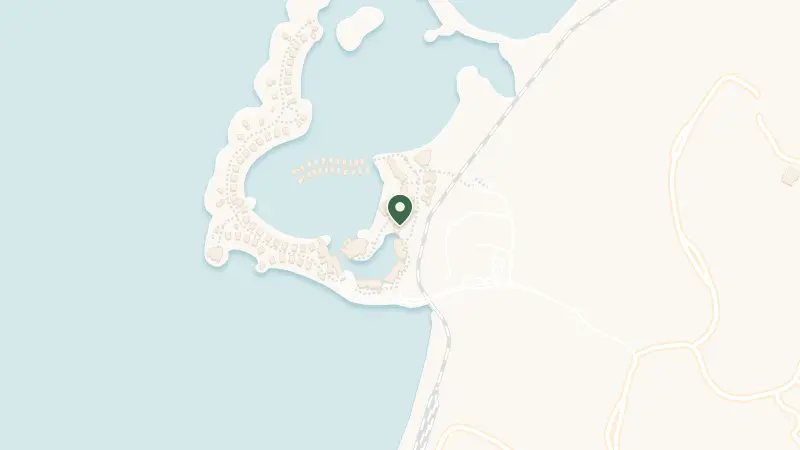
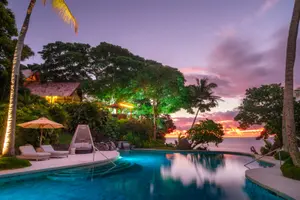
The Fiji Marriott Resort Momi Bay occupies a stretch of Viti Levu's southwestern coast, where the Coral Coast gives way to quieter, less-trafficked shores. This is not the Fiji of postcard resorts clustered near Nadi's airport strip, but rather a place where the lagoon holds its turquoise longer into the afternoon and the volcanic ridges of the interior rise dramatically just inland. The property sits on Momi Bay itself, a crescent of sand sheltered by reefs that have been forming since the archipelago's volcanic birth 150 million years ago.
The region around Momi Bay retains a strong sense of remoteness despite its proximity to Nadi. Traditional Fijian villages dot the coastline, and the interior hills remain largely uninhabited, their forested slopes a reminder of Viti Levu's rugged heart. This part of the island saw some of Fiji's earliest Austronesian and Melanesian settlement in the second millennium BC, and the cultural imprint runs deep in the ceremonies, agriculture, and fishing rhythms still visible today.
Nadi International Airport lies 27 kilometres to the north, a scenic drive that skirts the coast and passes through cane fields and coconut groves. Suva, the capital, sits on the opposite side of the island. Here, the pace slows, the reef breaks gently, and the western light stretches long over the Pacific.
Momi Bay offers access to some of Fiji's most striking coastal terrain. Natadola Beach, 19 kilometres south, is a long crescent of white sand backed by casuarina trees, one of the few beaches on Viti Levu where the shoreline feels genuinely wild. The Natadola Golf Course, carved into the hillside above the beach, offers dramatic ocean views and challenging elevation changes. Port Denarau Marina, 22 kilometres north, serves as the departure point for day trips to the Mamanuca and Yasawa islands, where smaller cays and snorkelling sites ring the outer reefs.
Closer to the property, Cuvu Beach and the quieter stretches of coastline reward exploration on foot. The nearby villages occasionally host traditional meke performances, blending chant, dance, and percussion in ceremonies that predate European contact. Book a sunset sailing excursion from Musket Cove Marina to catch the light turning the volcanic ridges copper and gold. The absence of Michelin-starred dining here is offset by the abundance of fresh kokoda (Fijian ceviche marinated in coconut cream), grilled mahi-mahi, and cassava-based dishes served simply, close to where they're caught or grown.
Fiji's tropical climate divides into a warm, wet season and a cooler, drier stretch that feels almost temperate by South Pacific standards. January through March brings the heaviest rains, brief afternoon deluges that soak the cane fields and send rivulets down the hillsides before the sun breaks through again. The air hangs thick, saturated, humming with insects and the rustle of palm fronds.
May through October is the dry season, when temperatures dip into the mid-twenties and the humidity eases. The trade winds pick up, the light sharpens, and the reefs become glassy and clear. This is the best time to visit, when the mornings feel crisp and the evenings cool enough for long dinners outdoors.
November and December bridge the seasons, warm but not yet oppressive, with scattered storms that roll in from the ocean and pass quickly. The frangipani blooms, the water warms, and the islands begin their slow tilt back toward the wet.
Frequently Asked Questions

Quotes are personally reviewed by Natasha Hardy, founder of The Uncommon Traveller
5.0 rating · 8 Google reviewsThere is no fee or markup. The hotel pays our commission.
Request a Quote