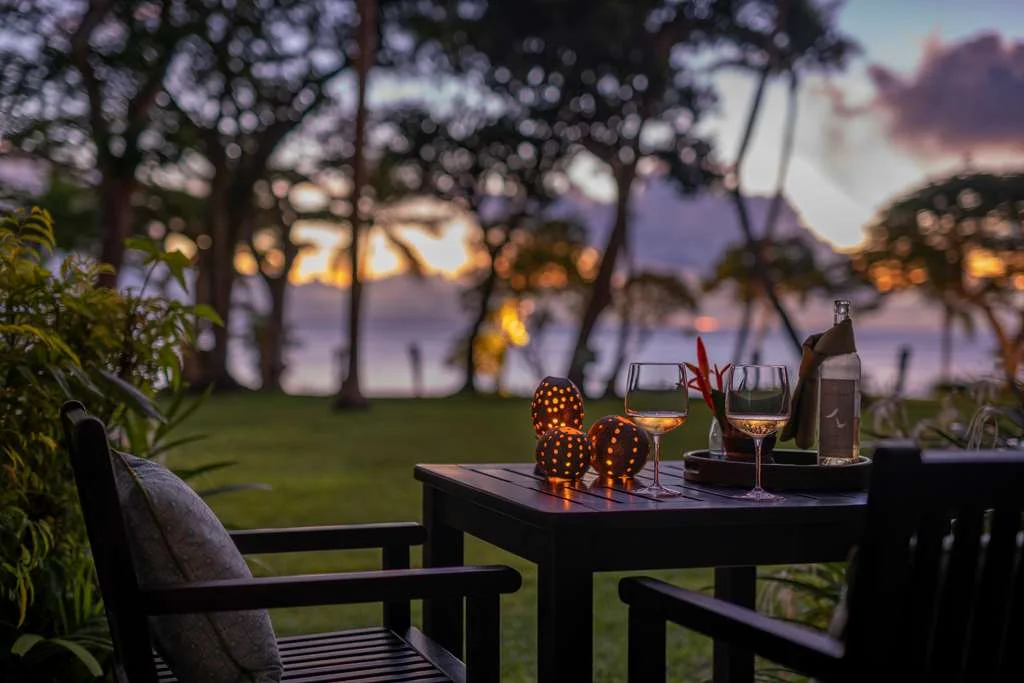
Shangri-La Yanuca Island, Fiji
When you book Shangri-La Yanuca Island, Fiji, through our Shangri-La Luxury Circle partnership, your stay includes full breakfast for two and a hotel credit of USD $50 or $100 once per stay. You also receive a one-category room upgrade, early check-in and late check-out when available. No premium credit card or membership needed: request a quote and our advisor books it at the same rate as booking direct.
Exclusive Booking Perks
These perks are included with your stay at the same rate as booking direct with the hotel.
- Upgrade to the next room type category at the time of booking, subject to availability
- Hotel credit of USD $50 or $100 (once per stay)
- Complimentary full breakfast for two, including in-room dining
- A VIP Welcome Amenity
- Early check-in and late check-out, subject to availability
Guest feedback
8.2/10 from 1,939 guest reviews
Read what guests commentedBy category
Guests liked
- Excellent facilities for kids
- Beautiful location
Points to consider
- Service was slow at times
- Food options were limited
Location
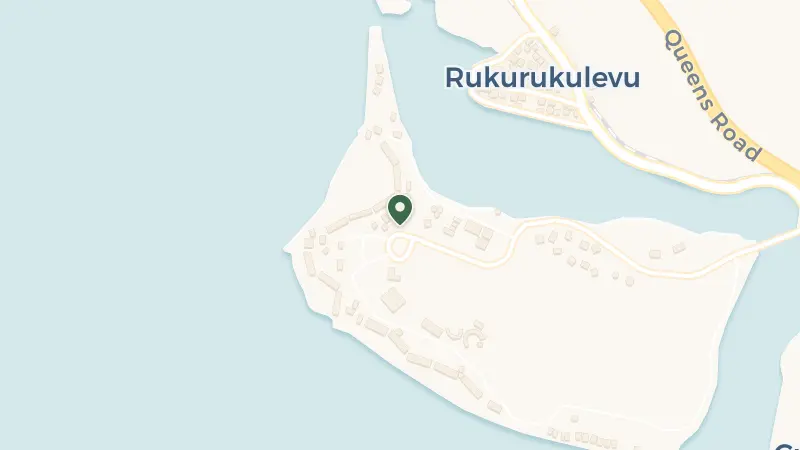
Shangri-La brings its signature Asian-rooted hospitality to the South Pacific, blending wellness philosophy with Fijian warmth on a private island just off Viti Levu's Coral Coast. The property occupies Yanuca Island, a low-slung isle wrapped in coral reefs and connected to the mainland by a short causeway, where the rhythm slows to the lap of lagoon water and the rustle of coconut palms. The surrounding landscape carries the layered history of Melanesian settlement stretching back millennia, volcanic origins visible in the dramatic interior peaks of the main island, and the more recent imprint of colonial-era plantations that gave way to tourism along this southern shore.
The Coral Coast itself unfolds as a string of beaches and reef breaks between Sigatoka and the distant lights of the Nadi tourism belt. Cuvu Beach lies less than a kilometre away, a sweep of sand that locals favour for its gentle shore break. Inland, the Sigatoka Sand Dunes rise in wind-sculpted ridges eight kilometres east, a national park protecting both geological curiosity and ancient burial sites unearthed by shifting sands.
Nadi International Airport sits 42 kilometres northwest, the gateway for most international arrivals. Ground transfers trace the Queens Road along the coast, passing sugarcane fields and village outposts where roadside stalls sell papaya and cassava, the journey taking just under an hour depending on traffic through the small towns that punctuate the route.
The hotel's dining venues lean into Pacific Rim flavours and ocean-to-table sourcing, though no Michelin-starred restaurants operate within reach on this stretch of coast. The island setting keeps the focus inward: reef snorkelling from the beach, kayaking through mangrove channels at high tide, and CHI spa treatments that draw on Asian wellness traditions adapted to the tropical setting. Cultural programming often includes meke performances, the traditional Fijian dance that blends chant and percussion, and village visits to communities along the mainland shore where kava ceremonies unfold in thatched bure houses.
Venture eight kilometres east to Sigatoka Sand Dunes National Park, where the dunes climb 60 metres above the river mouth and archaeological digs have revealed Lapita pottery shards dating to Fiji's earliest settlers. The walking trails thread between ridges that glow amber in late afternoon light, the only sounds the crunch of sand underfoot and the distant hiss of surf. Book a guided walk to understand the significance of burial sites and the geological forces that continue to reshape the dunes with each trade wind season.
January through March holds the warm, humid weight of cyclone season, when afternoon storms roll in with sudden intensity and the ocean swells unpredictably. Temperatures hover near 29°C, the air thick with moisture that beads on skin within minutes of stepping outside. The landscape turns lush, rivers run high, and occasional tropical disturbances can disrupt flight schedules.
May through October offers the driest months, when the trade winds steady from the southeast and daytime heat eases into the mid-twenties. Mornings break clear, reef visibility peaks, and the evenings cool enough for outdoor dining without the oppressive humidity of summer. This is Fiji's peak travel window, when the skies stay reliably blue and the ocean settles into glassy morning calm.
November and December mark the transition back toward wet season, with heat building and afternoon showers becoming more frequent. The light takes on a softer quality, filtered through gathering clouds, and the reefs see fewer snorkellers as visitors thin out ahead of the cyclone months.
Frequently Asked Questions

Quotes are personally reviewed by Natasha Hardy, founder of The Uncommon Traveller
5.0 rating · 8 Google reviewsThere is no fee or markup. The hotel pays our commission.
Request a Quote