Nanuku Resort Fiji
When you book Nanuku Resort Fiji through our Virtuoso partnership, your stay includes daily breakfast for up to two guests and a $100 USD resort or hotel credit. You also receive a room upgrade, early check-in and late check-out when available. No premium credit card or membership needed: request a quote and our advisor books it at the same rate as booking direct.
Special Offer
15% off + LINGER LONGER Snorkel the legendary Beqa Lagoon, hop on a paddle board, or hike to a breathtaking waterfall. Lounge poolside, take a yoga class. or help restore the coral reef. With so much to do in Fiji, stay an extra night (or two) to experience even more. Stay 5 nights or more and save 15% off of our Best Available Rate Package includes daily breakfast at Kanavata Restuarant and all Fiji Govt Taxes
Exclusive Booking Perks
These perks are included with your stay at the same rate as booking direct with the hotel.
- Upgrade on arrival, subject to availability
- Daily breakfast for up to two guests per bedroom, served in the restaurant
- $100 USD equivalent Resort or Hotel credit
- Early Check-In / Late Check-Out, subject to availability
Location
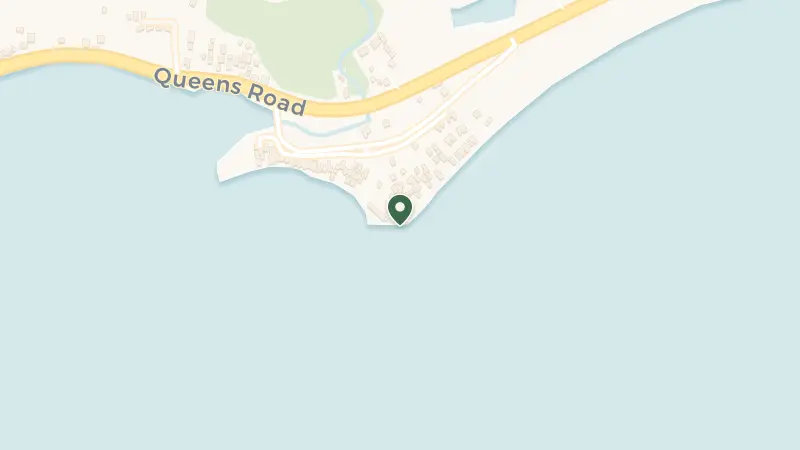
Nanuku Resort Fiji sits on the southern coast of Viti Levu, the largest island in an archipelago where volcanic peaks meet coral reefs and the Pacific stretches endlessly blue. The property lies near Wainiyabia Village, where the rhythm of village life continues as it has for generations: fishing boats return at dawn, voices carry across open water, and the scent of wood smoke drifts from earth ovens preparing lovo feasts. This is the quieter side of Viti Levu, far removed from the tourist hubs of Nadi and the capital bustle of Suva.
Fiji's 330-plus islands were shaped by volcanic eruptions beginning 150 million years ago, and the land still holds that primal energy. Inland, Viti Levu's forested interior rises in sharp ridges; most Fijians live along the coasts, where lagoons glow turquoise and barrier reefs shelter the shoreline. The culture here is a layered one: Austronesian and Melanesian roots reaching back to the second millennium BC, Polynesian currents, colonial traces from the 17th century onward.
Nausori International Airport lies 60 kilometres north, Nadi International 85 kilometres west. Most international arrivals route through Nadi; the drive to Nanuku follows the Coral Coast, winding past villages and roadside fruit stands where papaya and pineapple are sold by the pile.
The Shark Reef Marine Reserve Feeding Site, five kilometres offshore, draws divers to watch bull sharks patrol the reef drop-off in choreographed circles. The dive is a controlled feed, conducted by operators who've studied the reef's predator ecology for years. Closer to shore, the lagoon shelters hawksbill turtles and blacktip reef sharks in water warm enough to snorkel without a wetsuit. On land, Vakabalea Market Stalls ten kilometres away and Navua Market just beyond offer the sensory overload of a proper Fijian produce market: taro root stacked in pyramids, cassava still dusted with red soil, reef fish laid out on banana leaves, and vendors calling out prices in a mix of English and iTaukei.
The property's proximity to Wainiyabia Village opens pathways to genuine cultural exchange. Village visits arranged through the resort bring travelers into the daily life of a community where kava ceremonies mark every significant gathering and weaving techniques have been passed down through matrilineal lines. Book a traditional lovo feast to taste palusami, taro leaves cooked in coconut cream until they melt on the tongue, and kokoda, raw fish cured in lime and chili that tastes like the ocean condensed.
November through March brings the wet season, when the interior mountains trap moisture and afternoon downpours arrive with theatrical intensity. The air stays warm, hovering near 29°C, and the humidity makes every surface slick. This is cyclone season; the archipelago lies in the path of South Pacific storm tracks, and November to April demands weather vigilance.
The dry months from May through October offer the clearest conditions, with temperatures dipping to a pleasant 26°C and trade winds keeping the air moving. June and July see the coolest nights, down to 21°C, perfect for sleeping under mosquito nets with windows open to the sound of surf. September marks the start of the shoulder season, when rainfall ticks upward but crowds thin and the light takes on a crystalline quality.
Winter, such as it is, means you might need a light wrap at dinner. The sun still climbs high enough to burn, and the water never falls below swimmable.
Frequently Asked Questions

Quotes are personally reviewed by Natasha Hardy, founder of The Uncommon Traveller
5.0 rating · 8 Google reviewsThere is no fee or markup. The hotel pays our commission.
Request a Quote