Grand Hyatt Amman
When you book Grand Hyatt Amman in Jordan through our Hyatt Privé partnership, your stay includes daily full breakfast for up to two guests and a property credit. You also receive a priority room upgrade, early check-in and late check-out when available. You continue earning World of Hyatt points and elite night credits. No premium credit card or membership needed: request a quote and our advisor books it at the same rate as booking direct.
Exclusive Booking Perks
These perks are included with your stay at the same rate as booking direct with the hotel.
- Welcome amenity provided to guests upon arrival.
- Daily complimentary full breakfast at a hotel restaurant for up to two guests.
- Property credit (value varies by property).
- Priority for room upgrade (response within 24 hours of booking, subject to forecasted occupancy).
- Early check-in/late check-out/connecting rooms (response within 24 hours of request, subject to forecasted occupancy).
Guest feedback
Based on 773 guest reviews
By category
Guests liked
- Exceptional service
- Great amenities
Points to consider
- Cleanliness issues
- Room comfort inconsistent
Location
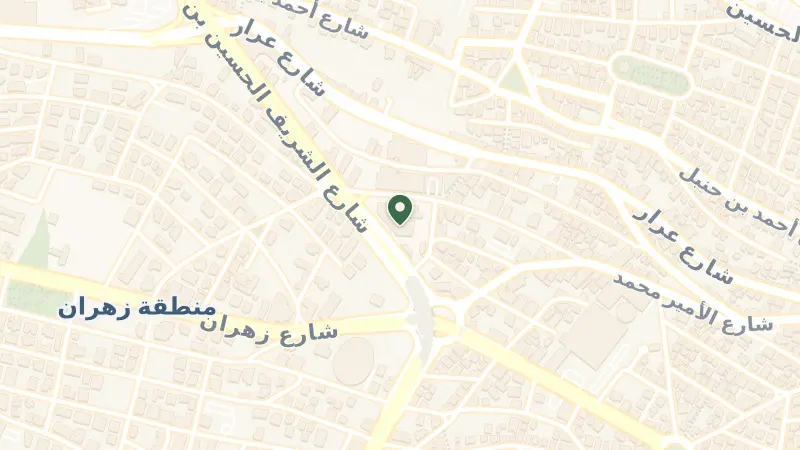
Grand Hyatt properties deliver a full complement of amenities at a scale that suits both business travellers and those on extended stays: multiple restaurants, event spaces, and a spa designed for the rhythms of a modern city. Amman rises across a topography of hills (seven, traditionally, though the city has long since sprawled beyond that count), each crowned with pale stone buildings that glow warm in the afternoon light. The capital carries eight millennia of human habitation, from the 'Ain Ghazal settlement and its haunting plaster statues to the Roman amphitheatre carved into the hillside downtown. Walk through Jabal Amman or Jabal al-Weibdeh and you pass Ottoman-era houses with arched windows, Circassian stonework, and mid-century villas overtaken by galleries and coffee roasters. The streets hum with the call to prayer, the clatter of backgammon tiles in sidewalk cafés, and the diesel rumble of service taxis climbing steep grades. This is a city of layered identities: Ammonite, Greco-Roman Philadelphia, early Islamic hub, and now a sprawling metropolis that holds Jordan's political, economic, and cultural centre.
Queen Alia International Airport lies twenty-seven kilometres south, connected by highway and airport express bus. Closer in, Marka International serves regional routes and sits just eight kilometres from the city centre.
Souk Jara, two kilometres from the property, operates Friday evenings in summer: stalls selling silver jewellery, handwoven textiles, and za'atar blends under strung lights, with live oud performances and tables set for mansaf, the national dish of lamb cooked in fermented yoghurt and served over rice. Souq El-Khodra, the central vegetable market, sprawls half a kilometre further, a sensory jolt of coriander bunches, pomegranates stacked in pyramids, and vendors calling prices in Arabic. The Roman Theatre, less than three kilometres west in the old downtown, seats six thousand on stone tiers and anchors a district of spice merchants and gold souks. Book a morning for the Citadel on Jabal al-Qal'a, where the columns of the Temple of Hercules stand against a skyline of minarets and apartment blocks, with views that stretch to the hills of Palestine on clear days.
Twenty kilometres northwest, As-Salt preserves Ottoman-era architecture and a UNESCO-recognised tradition of urban hospitality. The Baptism Site at Bethany Beyond the Jordan, thirty-six kilometres west on the river's edge, marks the location where Christian tradition places John the Baptist's ministry. For golf, Bisharat Golf Club lies eleven kilometres south, an eighteen-hole course set in the semi-arid highlands.
Late spring (April through May) brings daytime highs in the mid-twenties and almond blossoms along the hillsides, with evenings cool enough for rooftop dinners without the summer crush. Summer (June to September) is rainless and intense, temperatures climbing past thirty degrees, the limestone facades bleached white under unfiltered sun. Evenings offer relief, and the city's social life shifts to open-air terraces.
Autumn (October into November) returns comfortable warmth and occasional showers that briefly green the scrubland. Winter (December through February) is the wet season, with daytime highs in the low teens and nights that can drop near freezing; the hills occasionally dust with snow, and the souks smell of roasting chestnuts.
Frequently Asked Questions

Quotes are personally reviewed by Natasha Hardy, founder of The Uncommon Traveller
5.0 rating · 8 Google reviewsThere is no fee or markup. The hotel pays our commission.
Request a Quote