Alila Hinu Bay
When you book Alila Hinu Bay in Salalah, Oman, through our Hyatt Privé partnership, your stay includes daily full breakfast for up to two guests and a property credit. You also receive a priority room upgrade when available. You continue earning World of Hyatt points and elite night credits. No premium credit card or membership needed: request a quote and our advisor books it at the same rate as booking direct.
Exclusive Booking Perks
These perks are included with your stay at the same rate as booking direct with the hotel.
- Welcome amenity provided to guests upon arrival.
- Daily complimentary full breakfast at a hotel restaurant for up to two guests.
- Property credit (value varies by property).
- Priority for room upgrade (response within 24 hours of booking, subject to forecasted occupancy).
- Early check-in/late check-out/connecting rooms (response within 24 hours of request, subject to forecasted occupancy).
Guest feedback
9.1/10 from 805 guest reviews
Read what guests commentedBy category
Guests liked
- Friendly, welcoming and attentive staff
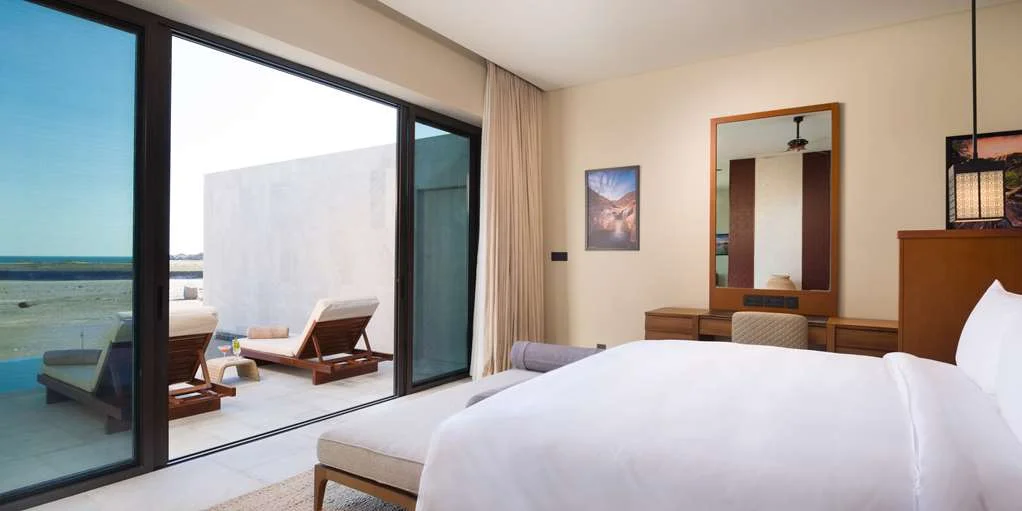
- Private villas with pools and spacious, well-designed rooms
- Beautiful beach location and impressive views
Points to consider
- Property is remote / far from city (40–50 minute drives)
- Main pool or some pools closed/under maintenance during stays
- High prices / perceived expensive dining
Location
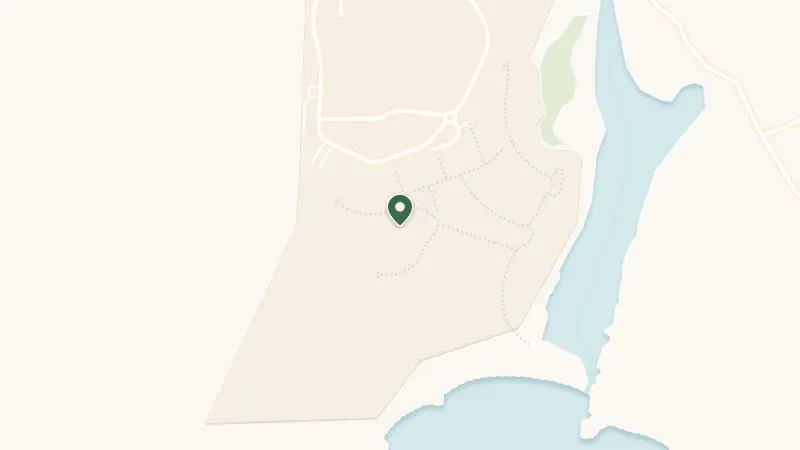
Alila brings its Sanskrit promise of surprise to the southern coast of Oman, where dramatic limestone cliffs meet the turquoise waters of the Arabian Sea. The property occupies a stretch of Hinu Bay in Mirbat Province, a region defined by frankincense heritage, ancient trade routes, and landscapes that shift from arid desert to monsoon-fed wadis depending on the season. Here, the brand's signature approach to place-specific design and sustainable luxury finds expression in a setting far removed from the bustle of Muscat or the skyscraper ambitions of the northern Gulf.
Mirbat itself is a quiet coastal town with a maritime history reaching back centuries, when its harbour handled spice shipments and Arabian thoroughbreds bound for distant ports. The pace remains unhurried. Fishermen still mend nets along the shore, and frankincense smoke drifts from doorways in the old quarter.
Salalah, the provincial capital forty minutes west, offers souks, museums dedicated to the region's role in the incense trade, and a glimpse of Dhofari culture distinct from the rest of Oman. Salalah International Airport lies seventy-three kilometres northwest, accessible by taxi or rental car along the coastal highway.
The underwater topography of Hinu Bay draws divers year-round. Eagle Bay, just over three kilometres from the property, offers wall dives and coral gardens where moray eels and lionfish hold station in the current. The Wall and Aquarium, both within four kilometres, feature drop-offs thick with anthias and occasional manta sightings. Divemasters Delight, a sheltered reef site four kilometres out, suits intermediate levels. Flamingo Beach, a shore entry point four and a half kilometres east, provides easy access for beginners or snorkelers content with seagrass beds and juvenile fish. Book a morning dive at Eagle Bay to catch the light raking across the reef face.
Mirbat beach, ten kilometres south, stretches wide and empty, backed by dunes and the occasional fishing shack. Jabal Samhan Reserve, sixty kilometres inland, preserves the leopard's last stronghold on the Arabian Peninsula. The plateau's limestone escarpment rises abruptly from the coastal plain, offering trails through juniper groves and sightlines across valleys where frankincense trees still grow wild. The reserve requires a full day and a four-wheel-drive vehicle.
Summer brings the khareef, the monsoon that transforms Dhofar from June through September. Cloud cover softens the light, drizzle cools the air to the high twenties, and the mountains turn improbably green. This is Oman's only monsoon season, and locals flock south to escape the furnace conditions elsewhere in the Gulf.
October through May marks the dry season, when skies clear and temperatures climb steadily from the mid-twenties in winter to the low thirties by late spring. December and January offer the most temperate conditions, with evenings cool enough for outdoor dining and mornings bright and still.
The khareef period, despite cloudier skies and rougher seas, holds its own appeal for travelers seeking Dhofar at its most distinctive. Visibility for diving improves dramatically outside monsoon months, making autumn and winter ideal for underwater exploration.
Frequently Asked Questions

Quotes are personally reviewed by Natasha Hardy, founder of The Uncommon Traveller
5.0 rating · 8 Google reviewsThere is no fee or markup. The hotel pays our commission.
Request a Quote