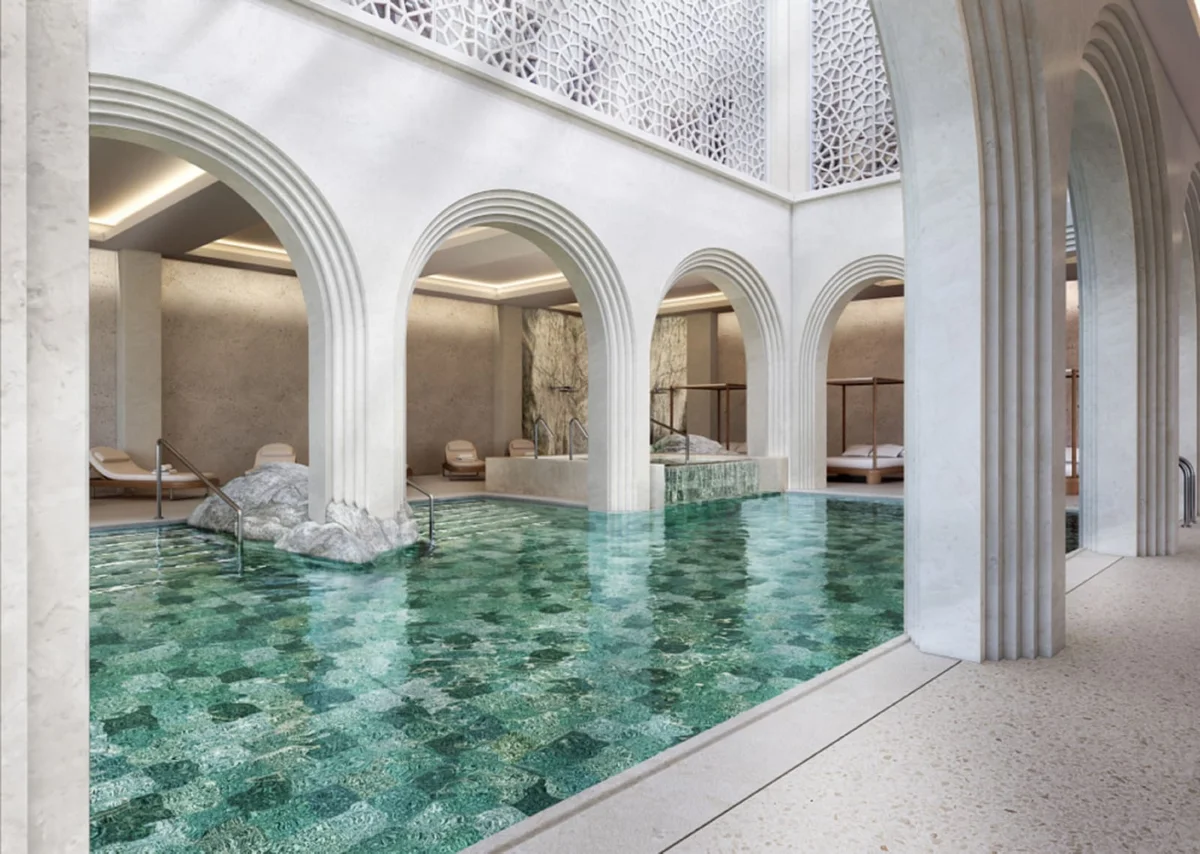
Hotel Indigo Jabal Akhdar Resort & Spa by IHG
When you book Hotel Indigo Jabal Akhdar Resort & Spa by IHG in Jebel Akhdar, Oman, through our IHG Destined partnership, your stay includes daily breakfast for two, a $100 USD hotel credit per stay and a welcome amenity. You also receive a room upgrade, early check-in and late check-out when available. No premium credit card or membership needed: request a quote and our advisor books it at the same rate as booking direct.
Exclusive Booking Perks
These perks are included with your stay at the same rate as booking direct with the hotel.
- $100 USD (or local currency equivalent) hotel credit per stay
- Daily complimentary breakfast for 2 guests (full or continental, depending on the hotel)
- Complimentary room upgrade (subject to availability)
- Local welcome amenity
- Early check-in / late check-out (subject to availability)
Guest feedback
9.5/10 from 992 guest reviews
By category
Guests liked
- Stunning views
- Friendly and accommodating staff
- Modern amenities
Points to consider
- Limited buffet selection
- High pricing for some services
Location
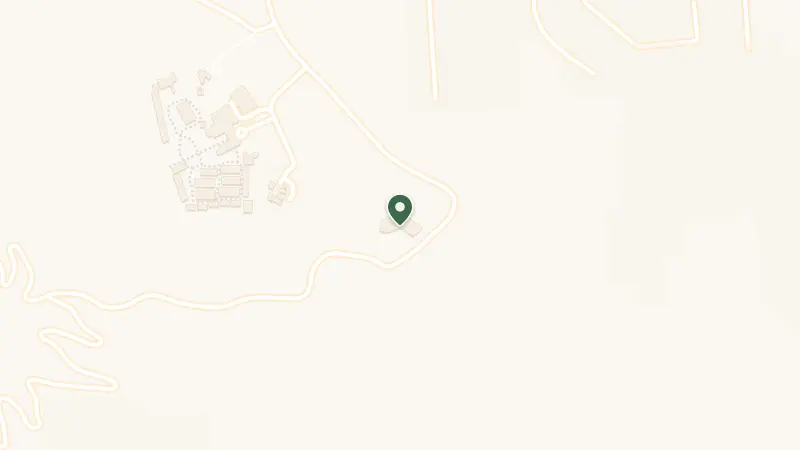
Jebel Akhdar, the Green Mountain, rises 2,000 metres above Oman's arid interior, a stone fortress of terraced farms and villages where pomegranate orchards cling to sheer limestone walls. The air here is ten degrees cooler than the plains below, scented with wild roses in spring and the earthy sweetness of drying dates in autumn. Hotel Indigo Jabal Akhdar occupies the Kamfarah plateau, where ancient aflaj channels, some dating to AD 500, still thread water through the rock to sustain the farms that have fed these communities for centuries.
The road up is a slow, switchbacking climb through villages where stone houses seem to grow from the cliff faces themselves. Below, the canyon floors disappear into shadow. The nearest town, Nizwa, sits 20 kilometres north, its great circular fort and livestock souqs marking the gateway to the interior. This is the Oman of mud-brick watchtowers and frankincense trails, where Bedouin traditions meet Persian Gulf trade routes in a landscape shaped by altitude, scarcity, and human tenacity.
Muscat International Airport lies 86 kilometres northeast, a 90-minute drive that unspools from coast to canyon. Four-wheel drive is required to reach the mountain, and the permit-controlled access keeps the plateau serene.
Start your days in the Al Jabal Al Akhdar Scenic Reserve, ten kilometres from the property, where hiking trails follow the falaj channels through groves of apricot and walnut trees. The views drop away to nothing, the canyon floors lost in haze and distance. In Nizwa, 20 kilometres north, the Nizwa Crafts Souk trades in silver khanjar daggers, goat-hair rugs, and frankincense that crackles and smokes when burned. The livestock market convenes Friday mornings, a spectacle of bleating goats and haggling farmers. Don't miss the Date Souq, where vendors sell dozens of varieties, from the syrupy khalas to the caramel-like fard.
The aflaj irrigation systems, inscribed as a UNESCO World Heritage Site in 2006, run through villages 16 kilometres away, their underground channels still dividing water with millennial fairness among the terraces. Bahla Fort, 40 kilometres south, rises in unbaked mud brick, its oasis settlement once ruled by the Banu Nebhan tribe. Book a sunset walk along the rim trail above Wadi Tanuf, where a seasonal waterfall drops 21 kilometres from the property, its pools cold and clear after the rains.
Winter transforms the plateau into Oman's only cold-weather refuge. Mornings in January start at eight degrees, the rose terraces bare and the light sharp enough to etch every stone. By late March, the almond blossoms arrive, and temperatures climb into the low twenties, the farms turning green with new growth.
Summer is monsoon season on the mountain. July brings cool, misty days in the low thirties, the clouds rolling in from the Arabian Sea and clinging to the cliffs. The heat never oppresses here as it does on the coast. Autumn sees the pomegranate harvest, the air thick with the scent of split fruit and the valleys glowing amber.
The shoulder seasons, April through May and October through November, offer the most reliable weather for hiking and souq visits. The terraces are at their greenest in spring, the light golden and the temperature hovering in the mid-twenties.
Frequently Asked Questions

Quotes are personally reviewed by Natasha Hardy, founder of The Uncommon Traveller
5.0 rating · 8 Google reviewsThere is no fee or markup. The hotel pays our commission.
Request a Quote