Al Husn Hotel Muscat
When you book Al Husn Hotel Muscat in Oman through our Hilton for Luxury partnership, your stay includes breakfast for two and a hotel credit of USD 100 per stay. You also receive a one-category room upgrade when available. No premium credit card or membership needed: request a quote and our advisor books it at the same rate as booking direct.
Exclusive Booking Perks
These perks are included with your stay at the same rate as booking direct with the hotel.
- VIP guest status
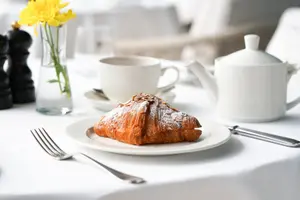
- Complimentary breakfast for 2 guests
- USD100 hotel credit per stay (or local equivalent)
- Double Hilton Honors Points
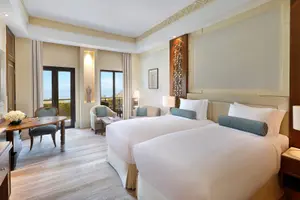
- Upgrade to next room category (subject to availability)
Location
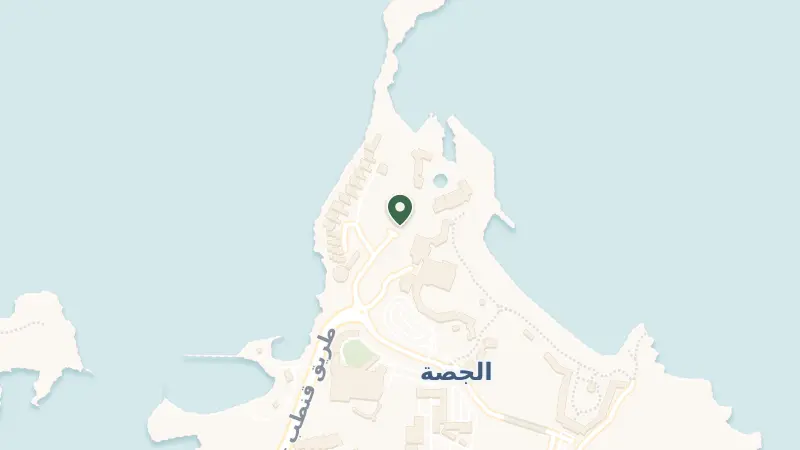
Al Jissa unfolds along a curve of coastline where the Hajar Mountains descend sharply into the Gulf of Oman, their craggy ridges catching the morning light in shades of rust and ochre. This is Muscat's quiet edge, removed from the capital's commercial heart yet bound to its history as a trading port that once reached as far as Zanzibar. The neighbourhood claims a rare stretch of shoreline, sheltered by headlands and backed by limestone cliffs that rise steeply from the water.
The capital itself has worn many hands: Persian governors, Portuguese commanders, Ottoman administrators, each leaving traces in the city's architectural vocabulary. Sultan Qaboos bin Said's 1970 accession opened a rapid transformation, though Muscat's low-slung white buildings still observe a restrained elegance against the mountains. Across the city, museums chronicle Omani seafaring heritage and regional trade routes, while souqs hum with the scent of frankincense and cardamom.
Muscat International Airport lies 39 kilometres north, a straightforward drive through valleys that cleave the Hajar range. The road skirts rocky outcrops before reaching Al Jissa's scattered cluster of villas and resorts, where the Gulf stretches unbroken to the eastern horizon.
The property's private beach extends 300 metres along sheltered waters, where the Gulf's calm prevails most mornings before afternoon winds pick up. Three kilometres east, Qantab Beach offers deeper sand and a fishing village atmosphere, boats anchored in the shallows. Eight and a half kilometres south, Bandar Khiran reserve protects a maze of fjord-like inlets carved into limestone; dolphin sightings are common at dawn. Book a dhow trip through the reserve's channels, where turquoise water deepens to indigo against cliff walls.
Ten kilometres inland, Suq al Jumah spreads its stalls across a shaded courtyard, vendors arranging Omani halwa, dried limes, and towers of dates. Mutrah Municipality Market, 12 kilometres north along the corniche, threads through narrow covered alleys fragrant with sandalwood and rose water. The Bait al Zubair Museum, established in 1998, holds one of the region's finest collections of Omani khanjar daggers, silver jewellery, and indigo-dyed textiles. Start with the museum's courtyard gardens before tracing the trade routes that once connected this coast to Persia and the Indian subcontinent.
Winter months, December through February, bring the year's mildest temperatures, mid-twenties by day with cooler evenings that pull residents outdoors. The light turns softer, the haze lifts, and the Hajar peaks stand sharp against clean skies. This is high season, when the Gulf gleams and terrace dining extends late into the evening.
Spring heats quickly. By April, temperatures climb past thirty degrees, the air losing its winter clarity as humidity gathers. Summer, May through September, is punishingly hot, the mercury holding above thirty-five degrees through midday, though coastal breezes temper the worst of it. The city slows, adjusting its rhythms to early mornings and late nights.
Autumn arrives gradually, October easing the heat without yet delivering winter's crispness. November sees the first comfortable evenings, a preview of the cooler months ahead when Muscat feels most welcoming.
Frequently Asked Questions

Quotes are personally reviewed by Natasha Hardy, founder of The Uncommon Traveller
5.0 rating · 8 Google reviewsThere is no fee or markup. The hotel pays our commission.
Request a Quote