Mandarin Oriental, Muscat
When you book Mandarin Oriental, Muscat in Oman, through our Mandarin Oriental Fan Club partnership, your perks are confirmed with your quote. No premium credit card or membership needed: request a quote and our advisor books it at the same rate as booking direct.
Exclusive Booking Perks
Perks at this property are confirmed with your quote. You book at the same rate as booking direct.
- Exclusive perks available
- 9 exclusive perks included with your booking. Message us on WhatsApp for details.
Guest feedback
Based on 67 guest reviews
Read what guests commentedBy category
Guests liked
- Exceptional staff
- Beautiful location
- Great amenities
Points to consider
- Inconsistent housekeeping
- Awful check-in experience
Location
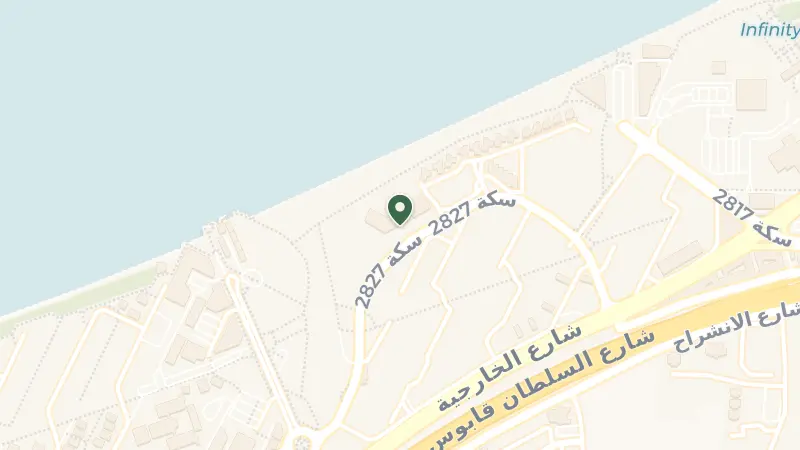
Mandarin Oriental arrived in the Omani capital with the brand's signature attention to detail and Eastern hospitality heritage, rooted in Hong Kong traditions but calibrated for the Gulf. The property anchors itself in Muscat's Hay al Saruj district, where the city's modern expansion meets the austere grandeur of the Hajar Mountains. Muscat has served as a critical port between East and West since the first century, its fortunes shaped by Persian, Portuguese, and Ottoman control before the current Sultanate redefined it as a modern Gulf capital. The result is a city where white-washed architecture spreads low across the Gulf of Oman coastline, framed by rust-coloured peaks and the strategic waters of the Strait of Hormuz.
The rhythm here is measured, less frenetic than Dubai or Doha. The call to prayer echoes across the corniche. Fishing boats still ply the harbour. The Bait al Zubair Museum, established in 1998, offers a coherent narrative of Omani material culture: silver jewellery, ceremonial khanjar daggers, illuminated manuscripts. The Muscat Gate Museum tells the story of the city's fortifications and trade routes.
Muscat International Airport lies eighteen kilometres from the property, connected by a modern highway that skirts the coast and the date palm groves of the interior wadis.
The hotel's immediate surroundings lean urban rather than heritage-village quaint, but the city's museum quarter is within easy reach. The Sultan's Armed Forces Museum, opened in 1992, chronicles Oman's military campaigns and the evolution of its navy. The Omani Aquarium and Marine Science and Fisheries Centre, founded in 1986, showcases Gulf marine ecosystems with a focus on sea turtles and local reef species. For a more general sweep of Omani history, the Museum of Omani Heritage has displayed traditional crafts and costumes since 1974. The city's souqs remain modest compared to those in Nizwa or Salalah, but Al Ghubrah Fish, Vegetable and Meat Market, nearly seven kilometres west, offers a working glimpse of daily commerce: stalls piled with kingfish, rock lobster, and limes grown in the interior.
Nature arrives in pockets. Al Qurm Nature Reserve, just over two kilometres away, protects one of Muscat's last mangrove stands, home to herons and mudskippers. Qurum Beach, less than three kilometres distant, provides a stretch of sand backed by the city's newer districts. Book a tee time at Almouj Golf at The Wave, sixteen kilometres up the coast, where fairways run against the sea. For a quieter nine holes, the Ral Al Hamra club lies five kilometres north.
Winter brings the city's gentlest weather. From December through February, daytime temperatures settle in the low to mid-twenties, evenings cool enough for outdoor dining along the corniche. The light is sharp and clean, the Hajar peaks visible in coppery relief against cloudless skies.
Summer heat arrives decisively. By May, temperatures climb above thirty-five degrees, the air thick with humidity drawn from the Gulf. June and July are the hottest months, the city slowing to a siesta rhythm between midday and late afternoon. Mornings and evenings remain the time for movement.
Autumn transitions gradually. October and November offer a reprieve, temperatures dropping back into the high twenties and low thirties, humidity easing. The best months for exploring Muscat's forts, museums, and coastal trails fall between November and March, when the heat is tempered and the monsoon rains of the southern Dhofar region have not yet reached the capital.
Frequently Asked Questions

Quotes are personally reviewed by Natasha Hardy, founder of The Uncommon Traveller
5.0 rating · 8 Google reviewsThere is no fee or markup. The hotel pays our commission.
Request a Quote