Alila Jabal Akhdar, Oman
When you book Alila Jabal Akhdar, Oman in Jebel Akhdar, Oman, through our Hyatt Privé partnership, your stay includes daily full breakfast for up to two guests and a property credit. You also receive a priority room upgrade when available. You continue earning World of Hyatt points and elite night credits. No premium credit card or membership needed: request a quote and our advisor books it at the same rate as booking direct.
Exclusive Booking Perks
These perks are included with your stay at the same rate as booking direct with the hotel.
- Welcome amenity provided to guests upon arrival.
- Daily complimentary full breakfast at a hotel restaurant for up to two guests.
- Property credit (value varies by property).
- Priority for room upgrade (response within 24 hours of booking, subject to forecasted occupancy).
- Early check-in/late check-out/connecting rooms (response within 24 hours of request, subject to forecasted occupancy).
Guest feedback
Based on 100 guest reviews
Read what guests commentedBy category
Guests liked
- Quiet and relaxing environment
- Friendly and lovely staff
- Scenic location in the mountains
Points to consider
- Possibly higher pricing
- Limited variety in dining options
Location
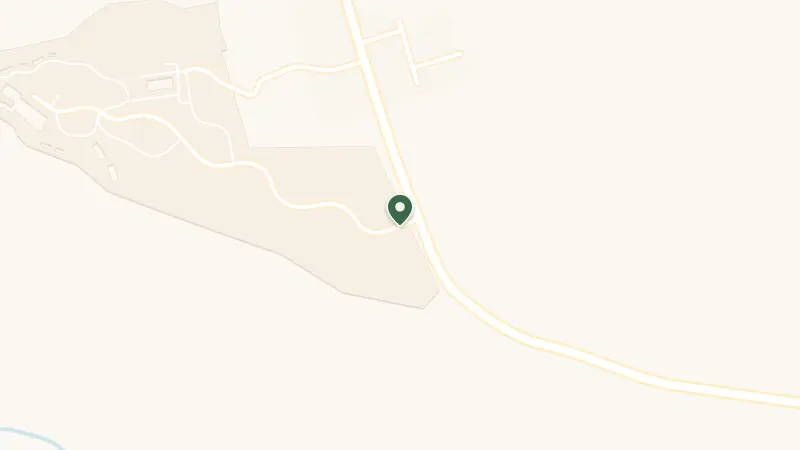
Alila takes its name from the Sanskrit for "surprise", and the brand's focus on thoughtful detail and landscape immersion finds full expression at this property, perched at two thousand metres above sea level on Oman's Green Mountain. Jebel Akhdar is an outlier in the Arabian Peninsula: terraced rose gardens cascade down limestone cliffs, pomegranate orchards cling to steep slopes, and the air carries the scent of damask roses harvested each spring for rosewater distillation. The altitude brings relief from the coastal heat, juniper trees dot the ridges, and villages built from the same honey-coloured stone as the mountains seem to grow directly from the rock.
The surrounding plateau has been cultivated for centuries using aflaj irrigation, a UNESCO-recognised system of channels and tunnels that still feeds orchards and farms across the region. Sixteen kilometres north, five representative aflaj networks demonstrate engineering that may date to AD 500, diverting water from mountain springs with precise gradients. The mountain itself is part of the Al Jabal Al Akhdar Scenic Reserve, a protected area where the geology shifts dramatically from barren peaks to green terraces.
Muscat International Airport sits ninety-two kilometres northeast, a two-hour drive that climbs steadily from sea level through checkpoints into the mountains. The journey traces the transition from coastal plain to high desert, the road switchbacking through gorges before reaching the plateau.
Start with the terraced villages: Birkat Al Mawz and Al Ayn lie within short drives, their falaj channels still trickling between stone houses and date palms. The Archaeological Sites of Bat, Al-Khutm and Al-Ayn, eighty-three kilometres northwest, preserve Bronze Age beehive tombs and settlements, the most complete protohistoric collection in Oman. Closer, Bahla Fort's unbaked brick ramparts rise at the edge of an oasis thirty-one kilometres south, a monument to the Banu Nebhan tribe who dominated this region from the twelfth to fifteenth centuries. The Tanuf stream fall, twelve kilometres away, offers a rare ribbon of water plunging into a wadi, best visited after winter rains.
Hiking trails lace the reserve, threading through juniper stands and terraced fields where farmers still harvest roses in April and May. Book a rosewater distillation visit during harvest season to see damask petals simmered in copper pots, the fragrant oil collected drop by drop. The Thermal Springs Al Khadhra, thirty-four kilometres west, provide a soak in mineral-rich waters beneath date palms, a contrast to the cool mountain air.
Winter brings the sharpest air: January and February mornings drop to eight or nine degrees, the light crisp and slanting, ideal for trekking the high trails without the punishing sun. This is rose-pruning season, the orchards quiet before spring's rush.
Spring transforms the plateau. March and April warm to the mid-twenties, terraces flush green, and by late April the damask roses bloom in a rush of pink that lasts through May. The rosewater harvest fills villages with floral steam, and the air smells of petals and warm stone.
Summer splits: June and August push into the low thirties, but the altitude keeps evenings cool and the heat far gentler than the coast. July and September see brief showers, the monsoon tail-end greening the wadis. Autumn, from October through December, cools back to the teens, the harvest season for pomegranates and walnuts, the orchards heavy with fruit.
Frequently Asked Questions

Quotes are personally reviewed by Natasha Hardy, founder of The Uncommon Traveller
5.0 rating · 8 Google reviewsThere is no fee or markup. The hotel pays our commission.
Request a Quote