Hotel Aguas Claras
When you book Hotel Aguas Claras in Puerto Viejo, Costa Rica, through our Tablet Plus partnership, your stay includes a welcome treat. You also receive a one-category room upgrade and late check-out when available. No premium credit card or membership needed: request a quote and our advisor books it at the same rate as booking direct.
Exclusive Booking Perks
These perks are included with your stay at the same rate as booking direct with the hotel.
- Upgrade to next room category, based upon availability at check-in
- Guaranteed 1pm late check-out
- Welcome treat in room on arrival
- 100 USD hotel credit per room, per stay (2 night minimum)
Guest feedback
9.5/10 from 57 guest reviews
By category
Guests liked
- Attentive staff
- Gorgeous rooms
- Excellent food
Points to consider
- Rooms could be improved
- Limited menu
Location
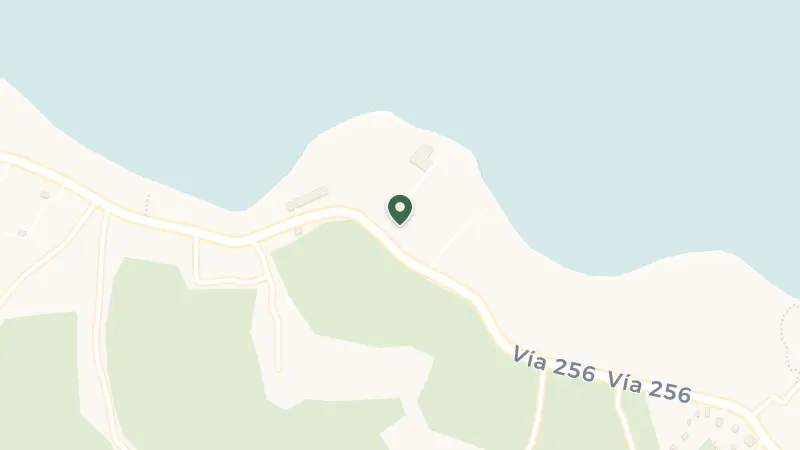
The Caribbean coast of Costa Rica feels fundamentally different from the Pacific side. Here in Playa Chiquita, a few kilometres south of Puerto Viejo de Talamanca, the air hangs thick with salt and the rustle of palm fronds, the rhythm slower, the accent Afro-Caribbean. This isn't the sanitized resort coast; it's a stretch where reggae drifts from beachside sodas, cacao grows in the shadows of rainforest canopy, and the sand shifts from golden to volcanic black within a few bends of the shoreline.
The property sits minutes from Playa Chiquita itself, a curve of coastline where the jungle meets the sea with little ceremony. Playa Cocles lies just over a kilometre north, Punta Uva beach a short ride south, each offering different moods: surfable breaks, calm turquoise shallows, or near-total seclusion. The village of Puerto Viejo, five kilometres up the coast, supplies the area's social energy, but the real draw here is the collision of ecosystems, the sense that you're at the edge of something vast.
Thirty-six kilometres inland, the Talamanca Range rises into cloud forest, part of the Talamanca Range-La Amistad Reserves, a UNESCO site where species from two continents have mingled since the last ice age. Captain Manuel Niño International Airport in Changuinola sits thirty kilometres across the Panamanian border; Limón International Airport is forty-eight kilometres northwest.
Playa Chiquita delivers the kind of beach day that requires little more than a towel and timing the tides. Walk the shoreline at dawn when the light slants gold through the palms, or paddle out when the swells cooperate. Punta Uva, three kilometres south, offers calmer water and better snorkelling over coral gardens that haven't been loved to death yet. Parque Nacional Cahuita, fifteen kilometres north, protects a different kind of coastline entirely: white sand, offshore reef, and trails where howler monkeys announce themselves long before you see them. Book a guided walk if you want to spot sloths camouflaged in cecropia trees or poison dart frogs the size of your thumbnail.
The Saturday feria in Puerto Viejo, four kilometres up the road, is where the week's rhythm resets: pineapples hacked open with machetes, bundles of cilantro and yuca, fishermen selling that morning's catch straight from coolers. Cacao tours in the surrounding jungle explain how chocolate moves from pod to bar, often ending with samples darker and more complex than anything you'd find in a supermarket. Sixteen kilometres inland, cascada Bribri tumbles through primary forest accessible via Indigenous Bribri territory, where guides share knowledge passed down through generations.
February and March bring the driest stretch on this coast, though "dry" is relative; the rainforest doesn't take long breaks. Mornings are bright, the humidity manageable, the sea calmer for paddling and snorkelling. April heats up as the green season builds momentum.
May through November, rain arrives in serious afternoon downpours that drum on tin roofs and turn dirt roads to red rivers, then clear by evening. The jungle responds with an explosion of green, waterfalls swell, and you'll have trails nearly to yourself. Temperatures hold steady in the high twenties year-round.
December through January sees another spike in rainfall, but also the return of northern visitors seeking warmth. The light turns softer, diffused through cloud cover, and the rhythm of the coast shifts inward: more time in hammocks, fewer crowds on the sand.
Frequently Asked Questions

Quotes are personally reviewed by Natasha Hardy, founder of The Uncommon Traveller
5.0 rating · 8 Google reviewsThere is no fee or markup. The hotel pays our commission.
Request a Quote