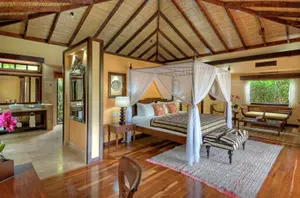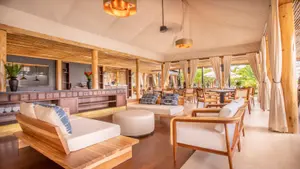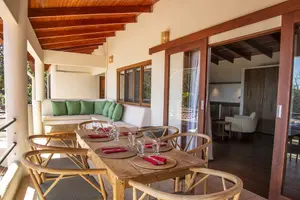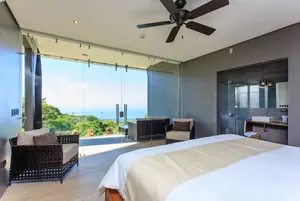
Origins Luxury Lodge
When you book Origins Luxury Lodge in Provincia de Alajuela, Costa Rica, through our Tablet Plus partnership, your stay includes a welcome treat. You also receive a one-category room upgrade and late check-out when available. No premium credit card or membership needed: request a quote and our advisor books it at the same rate as booking direct.
Exclusive Booking Perks
These perks are included with your stay at the same rate as booking direct with the hotel.
- Upgrade to next room category, based upon availability at check-in
- 100 USD hotel credit per room, per stay (2 night minimum, valid towards incidentals)
- Guaranteed 2pm late check-out
- Welcome treat in room on arrival
Location
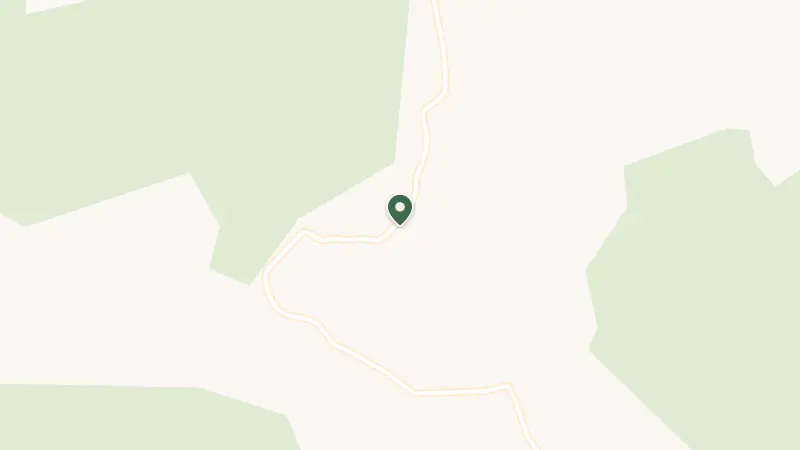
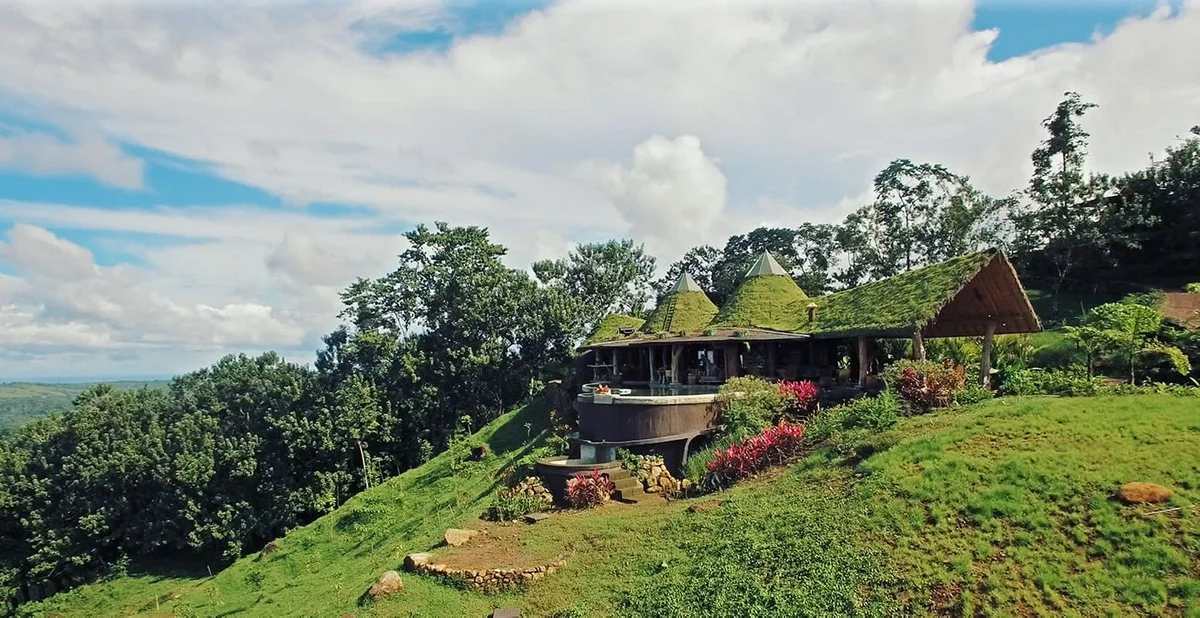
Origins Luxury Lodge sits in the Bijagua district of Upala canton, deep in Costa Rica's northern highlands where the volcanic spine of the country rises from dense cloud forest. This is working agricultural land punctuated by protected reserves, a landscape shaped by geothermal activity and extraordinary biodiversity. The fourth district of Upala, Bijagua remains a quiet farming community where Spanish is the daily language and tourism infrastructure gives way to genuine rural character.
The elevation here, just under a thousand metres, means cooler air than the coastal lowlands and a near-constant interplay of mist and clearing skies. Tenorio Volcano National Park, eighteen kilometres south, protects the watershed that feeds Río Celeste, its mineral-blue waters caused by aluminosilicate suspended in the volcanic runoff. Zona Protectora Miravalles lies closer, less than ten kilometres away, while the waterfalls that thread through the region (Bijagua Waterfall at eight kilometres, Catarata Río Celeste at twelve) trace the paths of ancient lava flows.
Reaching Bijagua requires commitment. Daniel Oduber Quirós International Airport near Liberia sits fifty-seven kilometres to the west, La Fortuna Arenal sixty-three kilometres southeast. Both involve winding mountain roads through coffee plantations and pastureland, the kind of drive that resets your sense of remoteness.
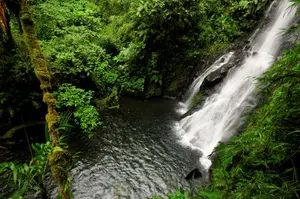
The pull here is the landscape itself. Book a guided trek to Catarata Río Celeste in Tenorio Volcano National Park, where the waterfall plunges into a turquoise pool so vivid it appears digitally enhanced. The trail descends through primary rainforest, past bubbling hot springs and sulfurous fumaroles, the volcanic substrate palpable underfoot. Closer to the property, Bijagua Waterfall offers a shorter but equally rewarding walk, while the Zona Protectora Miravalles conserves critical migratory bird habitat across nearly ten thousand hectares of montane forest.
Wildlife sightings define the rhythm of days here: three-wattled bellbirds calling from cecropia trees, keel-billed toucans moving through the canopy, sloths draped in branches like moss. The Mercado Municipal de Upala, thirteen kilometres north, supplies the region's farmers and ranchers with basics, a functional market rather than a tourist draw but worth the detour for olla de carne (beef and root vegetable stew) sold from small comedores. Rincón de la Vieja Volcano National Park, twenty-seven kilometres northwest, extends the volcanic theme with boiling mud pots and steam vents accessible via maintained trails.
The dry season runs February through April, when daytime temperatures climb toward twenty-eight degrees and precipitation drops to its annual low. March sees the clearest skies, ideal for hiking and wildlife spotting, though even then afternoon clouds build over the highlands.
May marks the transition into the green season, rainfall increasing through July and August when the region receives over three hundred millimetres monthly. Mornings often break clear before afternoon downpours drench the forest, roads turning to red mud.
November through January brings persistent cloud cover and steady rain, temperatures cooling slightly but rarely dipping below nineteen degrees overnight. The forest pulses with life during these months, waterfalls swollen, rivers running fast and cold. Visibility can be limited, but solitude is guaranteed.
Frequently Asked Questions

Quotes are personally reviewed by Natasha Hardy, founder of The Uncommon Traveller
5.0 rating · 8 Google reviewsThere is no fee or markup. The hotel pays our commission.
Request a Quote