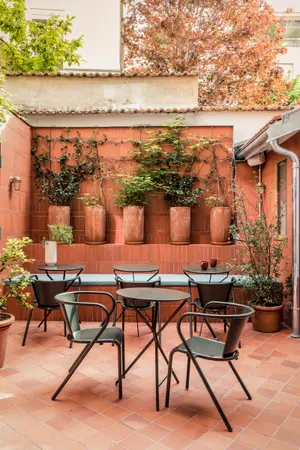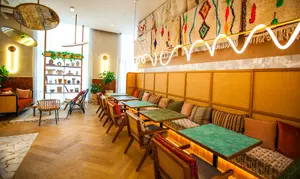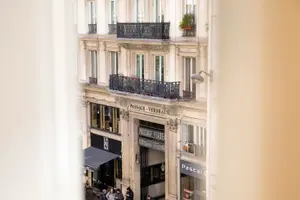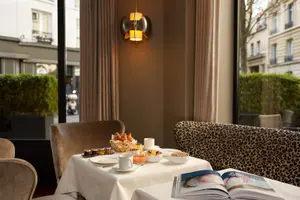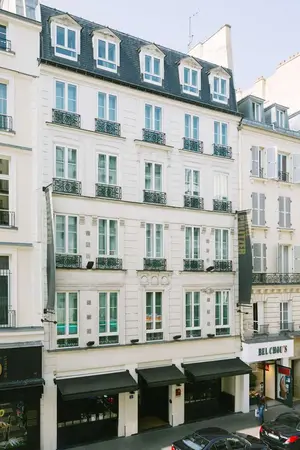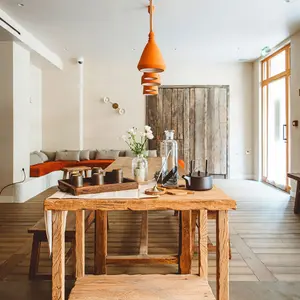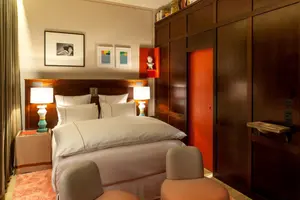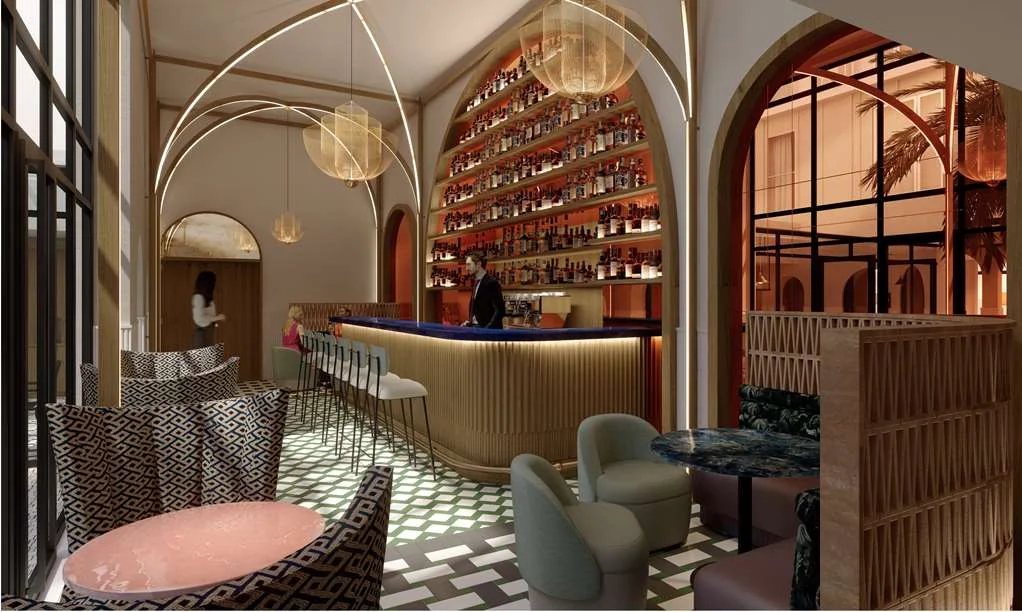
Hotel Grand Coeur Latin
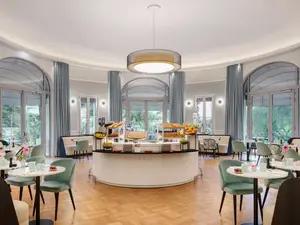
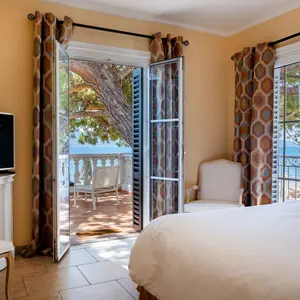
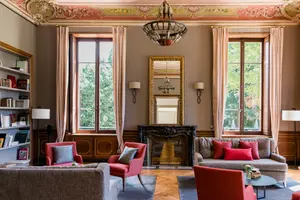
When you book Hotel Grand Coeur Latin in Paris, France, through our Tablet Plus partnership, your stay includes daily continental breakfast for up to two guests and a welcome treat. You also receive a one-category room upgrade when available. No premium credit card or membership needed: request a quote and our advisor books it at the same rate as booking direct.
Exclusive Booking Perks
These perks are included with your stay at the same rate as booking direct with the hotel.
- Upgrade to next room category, based upon availability at check-in
- Complimentary half-bottle of champagne in room on arrival
- Welcome treat in room on arrival
- Complimentary daily continental breakfast (max 2 guests)
Guest feedback
9.4/10 from 165 guest reviews
Read what guests commentedBy category
Guests liked
- Great location
- Friendly staff
- Clean facilities
Points to consider
- Small room size
- Expensive for room quality
- Slow coffee machine
Location
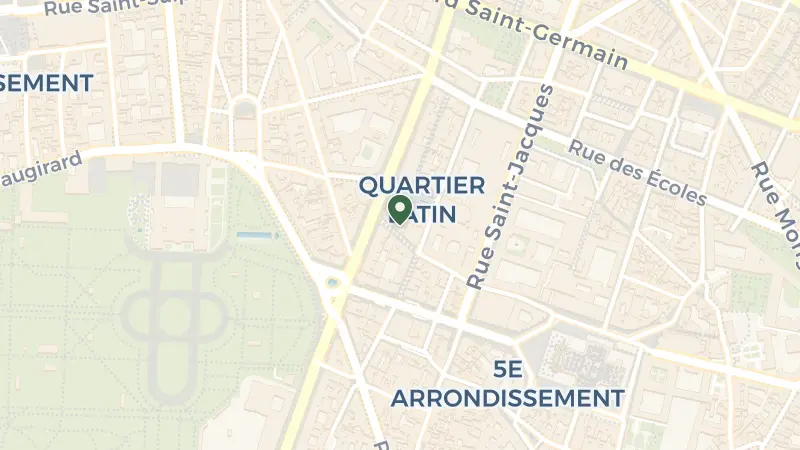
The property sits in the 5th Arrondissement, the Latin Quarter, where medieval cobblestones meet university energy and the oldest corners of Paris still pulse with students, philosophers, and the clatter of café chairs. This is the Left Bank at its most storied: the Panthéon's neoclassical dome rises just blocks away, and narrow streets wind past bookshops, wine bars, and the sort of bistros that have fed generations of writers and agitators. The Seine curves less than a kilometre north, its banks inscribed as a UNESCO World Heritage site, a ribbon of history linking the Louvre to Notre-Dame.
The neighbourhood feels less polished than the Marais, more lived-in than Saint-Germain. Rue Mouffetard spills downhill with market stalls and cheese merchants. The Jardin des Plantes unfolds eastward, a sprawl of green and glasshouses. Haussmann's boulevards slice through nearby, but here the scale stays human, the rhythm unhurried.
Charles de Gaulle Airport lies twenty-four kilometres northeast, Orly thirteen kilometres south, both connected by the Métro and RER rail network that threads the city in Art Nouveau-tiled stations.
Within walking distance, Michelin's highest accolades cluster along the Right Bank. Plénitude at Cheval Blanc Paris, a little over a kilometre north inside the restored Samaritaine, holds three stars under Arnaud Donckele, whose vegetable-forward cooking bridges land and sea. Kei Kobayashi's eponymous three-star, nearly two kilometres northwest, layers Japanese precision over French technique with dishes that feel like edible architecture. Arpège, two kilometres west, is Alain Passard's entirely plant-based canvas, a testament to vegetables grown in his own gardens. Book well ahead for any of these.
The Latin Quarter itself rewards aimless wandering. The Marché Monge convenes twice weekly less than a kilometre away, farmers and fromagers setting up under plane trees. The organic Marché Raspail runs Sundays along Boulevard Raspail, a parade of heirloom tomatoes and raw-milk cheeses. Shakespeare and Company, the rambling English-language bookshop, sits just across the river. Start with a morning coffee at one of the zinc-bar cafés along Rue des Écoles, then lose an afternoon among the Roman ruins of the Cluny Museum or the palm-filled greenhouses of the Jardin des Plantes.
July and August bring the warmest days, temperatures climbing into the low twenties, the light turning golden by evening as Parisians decamp for the coast and tourists claim the terraces. Streets empty in August, shutters drop, and the city exhales. September cools into the ideal window: warm afternoons, fewer crowds, the cultural calendar crackling back to life.
Winter settles grey and damp from November through February, temperatures hovering just above freezing, the sky a flat pewter. Cafés glow warmer then, their steamed windows and dark wood offering refuge. Spring arrives in fits, March unpredictable, but by May the chestnut trees bloom and the light stretches long enough to linger over wine by the river.
Visit May through June or September through early October for the best balance of weather and atmosphere, when Paris feels like it belongs to those who know it rather than those discovering it for the first time.
Frequently Asked Questions

Quotes are personally reviewed by Natasha Hardy, founder of The Uncommon Traveller
5.0 rating · 8 Google reviewsThere is no fee or markup. The hotel pays our commission.
Request a Quote 47 Bib Gourmand