Hotel Muaré
When you book Hotel Muaré in Riviera Maya, Mexico, through our Tablet Plus partnership, your stay includes a 25 USD hotel credit per day and a welcome treat. You also receive a one-category room upgrade when available. No premium credit card or membership needed: request a quote and our advisor books it at the same rate as booking direct.
Exclusive Booking Perks
These perks are included with your stay at the same rate as booking direct with the hotel.
- Upgrade to next room category, based upon availability at check-in
- 25 USD hotel credit per room, per day
- Complimentary bottle of wine in room on arrival
- Welcome treat in room on arrival
Guest feedback
8.9/10 from 336 guest reviews
By category
Guests liked
- Beautiful property
- Helpful staff
- Excellent room quality
Points to consider
- Limited food options late at night
- High transportation costs
- Restaurant food pricing
Location
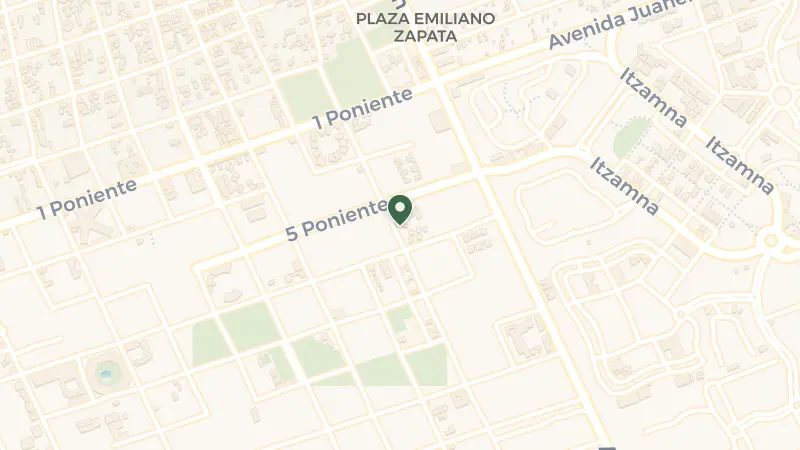
Tulum sits where the Yucatán Peninsula meets the Caribbean, a place where ancient limestone cliffs dissolve into powdery white sand and turquoise water. The air carries salt and the faint rustle of palm fronds. This is jungle meeting sea, history layered into geology: the pre-Columbian Maya built a walled port city here that thrived between the 13th and 15th centuries, perched above the waves on 12-metre cliffs. Long after the Spanish arrived, the Maya held on for another 70 years before the city emptied. Today, those honey-coloured ruins anchor the landscape, visible from the beach, a constant reminder that this coastline has always been sacred and strategic.
The Riviera Maya stretches south from Cancún, a corridor of coastline and cenotes that once carried the modest name "Cancun–Tulum corridor" before someone with a sense of occasion rechristened it. Tulum itself balances two identities: the archaeological zone draws visitors to stone temples facing the sea, while the town and its beaches have become a haven for travelers seeking something quieter than Playa del Carmen to the north.
Felipe Carrillo Puerto International Airport sits 20 kilometres away, a recent arrival that shortens the journey. Cancún International Airport, 112 kilometres north, remains the main international gateway, with the drive south tracing Highway 307 through low scrub and occasional glimpses of lagoon.
The pull here is elemental: cenotes, reefs, ruins. Tulum Scuba, just 1.5 kilometres from the property, offers access to the region's legendary dive sites, where freshwater cenotes cut through the limestone like veins. Cenote Dos Pisos, eight kilometres inland, descends into two chambers of startlingly clear water, the kind of blue that doesn't photograph accurately. Parque Nacional Tulum, six kilometres south, protects both the archaeological site and the surrounding coastline. Walk the clifftop path at dawn, before the heat settles in and the crowds arrive, and the temples still feel like they belong to the birds.
The beaches here are luminous: Playa Paraiso, less than four kilometres away, earns its name. Book a day trip to Sian Ka'an, 70 kilometres south, a biosphere reserve where the name means "Origin of the Sky" in Yucatec Maya. The expanse of mangrove, lagoon, and barrier reef sprawls across 500,000 hectares, a landscape so vast it resets your sense of scale. Closer to the hotel, Akumal, 27 kilometres north, offers a gentler encounter: sea turtles drift through shallow bays, indifferent to snorkelers hovering overhead.
Winter brings the driest months, January through April, when temperatures hold between 26 and 28 degrees and the light turns sharp and white. The jungle pulls back slightly, the humidity eases, and the beaches fill with travelers escaping northern cold. This is high season: the sky stays blue for weeks, and the reef visibility peaks.
Summer arrives with heat and rain. May marks the shift, but June through October delivers the heaviest downpours, brief and violent, followed by steam rising from the pavement. September sees the most precipitation, though storms typically roll through in the afternoon, leaving mornings clear.
November and December transition back toward dryness, the air cooling just enough to feel the difference. The light softens, the sea calms, and Tulum empties slightly, returning to a rhythm closer to what the Maya might have recognized.
Frequently Asked Questions

Quotes are personally reviewed by Natasha Hardy, founder of The Uncommon Traveller
5.0 rating · 8 Google reviewsThere is no fee or markup. The hotel pays our commission.
Request a Quote 2 Bib Gourmand