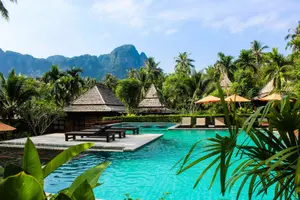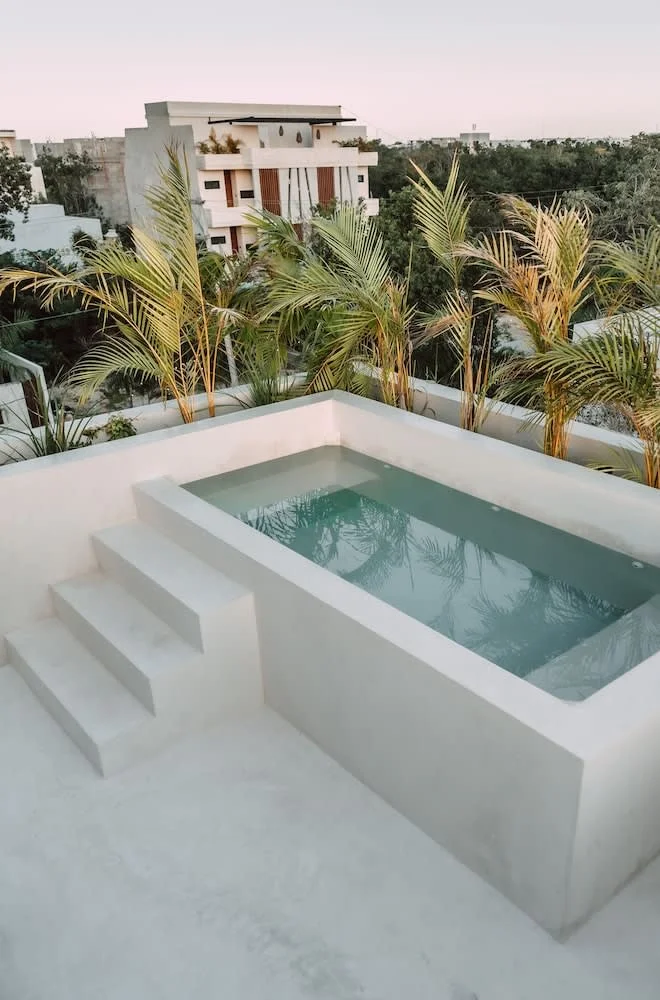
Majaro Tulum
When you book Majaro Tulum in Riviera Maya, Mexico, through our Tablet Plus partnership, your stay includes daily breakfast for up to two guests and a welcome treat. You also receive a one-category room upgrade and late check-out when available. No premium credit card or membership needed: request a quote and our advisor books it at the same rate as booking direct.
Exclusive Booking Perks
These perks are included with your stay at the same rate as booking direct with the hotel.
- Upgrade to next room category, based upon availability at check-in
- Guaranteed 2pm late check-out
- Welcome treat in room on arrival
- Complimentary daily breakfast (max 2 guests)
Location
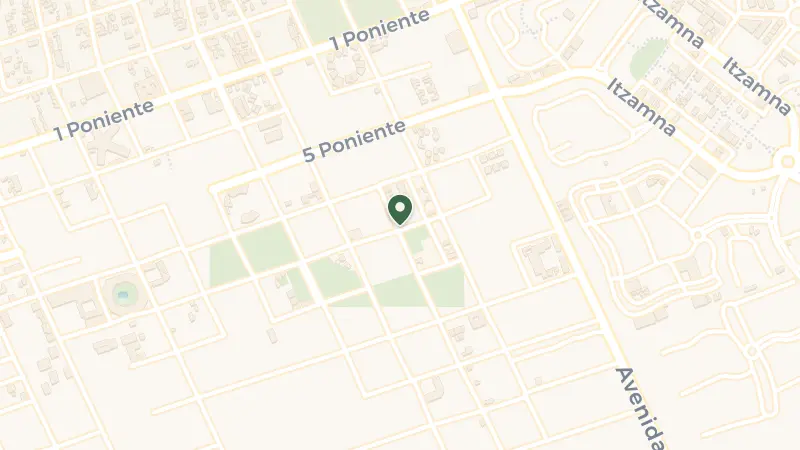
Tulum occupies a singular position along Mexico's Caribbean coast, where the remains of a Maya walled city overlook turquoise water from 12-meter cliffs. This was one of the last Maya settlements to flourish, reaching its peak between the 13th and 15th centuries as a major port for the inland city of Coba. The ruins anchoring Parque Nacional Tulum remain among the best-preserved coastal Maya sites, their limestone temples stark against the sea. The town itself has evolved from a dusty crossroads into a destination that threads beach clubs, cenote diving, and jungle-backed shoreline into a single experience.
The surrounding Riviera Maya extends roughly 40 kilometres inland from the coast, a swath of Quintana Roo that once went by the utilitarian name "Cancun–Tulum corridor" before being rebranded in 1999. Tulum sits at the southern edge of this district, where the tourist infrastructure yields to the wilder landscapes of the Sian Ka'an Biosphere Reserve 97 kilometres south. Mangroves, wetlands, and protected forest define this threshold between development and wilderness.
Felipe Carrillo Puerto International Airport lies 20 kilometres from Tulum; Cancún International sits 112 kilometres north for those arriving from farther afield. The drive south from Cancún traces Federal Highway 307, passing turnoffs for Playa del Carmen and Puerto Morelos before reaching Tulum's junction, where the road splits between the hotel zone and the archaeological site.
Cenote diving defines the inland experience here. Tulum Scuba, less than two kilometres away, runs guided descents into the region's flooded limestone caves, while Cenote Dos Pisos, seven and a half kilometres out, offers a two-tiered cavern dive through cathedral-like chambers. Surface swimmers favour Cenote Corazon, a thermal spring five kilometres distant where water temperature holds steady year-round. The coastline alternates between public access points and private stretches: Playa Paraiso sits four kilometres south, Amansala Beach another kilometre beyond, both framed by palms and soft white sand.
The archaeological zone at Parque Nacional Tulum, six kilometres away, deserves an early-morning visit before the midday heat and tour groups arrive. Walk the perimeter wall, then descend the staircase to the beach below El Castillo for a view few visitors linger to see. Sian Ka'an, 70 kilometres south, encompasses mangrove channels, lagoons, and reef systems; book a boat tour through the reserve's waterways to spot crocodiles, manatees, and over 300 bird species in their breeding grounds. The protected status here, inscribed as a UNESCO site in 1987, keeps development at bay and the ecosystems intact.
Winter and early spring deliver the driest, clearest months. January through April see temperatures ranging from the low twenties to around 30°C, with minimal rainfall and steady trade winds off the Caribbean. The light is sharp, the water visibility exceptional for diving.
Late spring signals a shift. May brings the first sustained heat and intermittent afternoon storms; by June, humidity thickens and precipitation spikes, continuing through September when monthly rainfall often exceeds 150 millimetres. The jungle greens intensely, cenotes swell, and afternoon thunderheads build over the interior.
October and November transition back toward drier conditions, though occasional tropical systems still track through. December returns to the winter rhythm: cooler evenings, bright mornings, and the season when most travelers converge on the coast.
Frequently Asked Questions

Quotes are personally reviewed by Natasha Hardy, founder of The Uncommon Traveller
5.0 rating · 8 Google reviewsThere is no fee or markup. The hotel pays our commission.
Request a Quote 2 Bib Gourmand