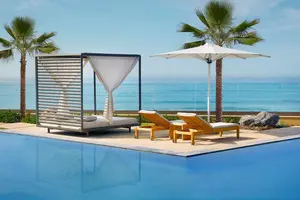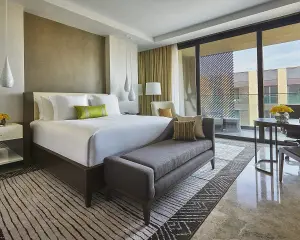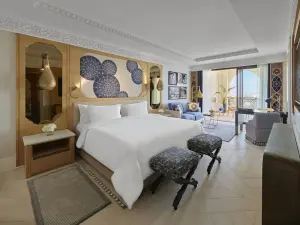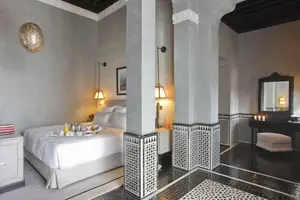
Hôtel & Ryads Barrière Le Naoura
When you book Hôtel & Ryads Barrière Le Naoura in Marrakech, Morocco, through our Fora Reserve partnership, your stay includes daily breakfast for up to two guests and a welcome amenity. You also receive a one-category room upgrade when available. No premium credit card or membership needed: request a quote and our advisor books it at the same rate as booking direct.
Exclusive Booking Perks
These perks are included with your stay at the same rate as booking direct with the hotel.
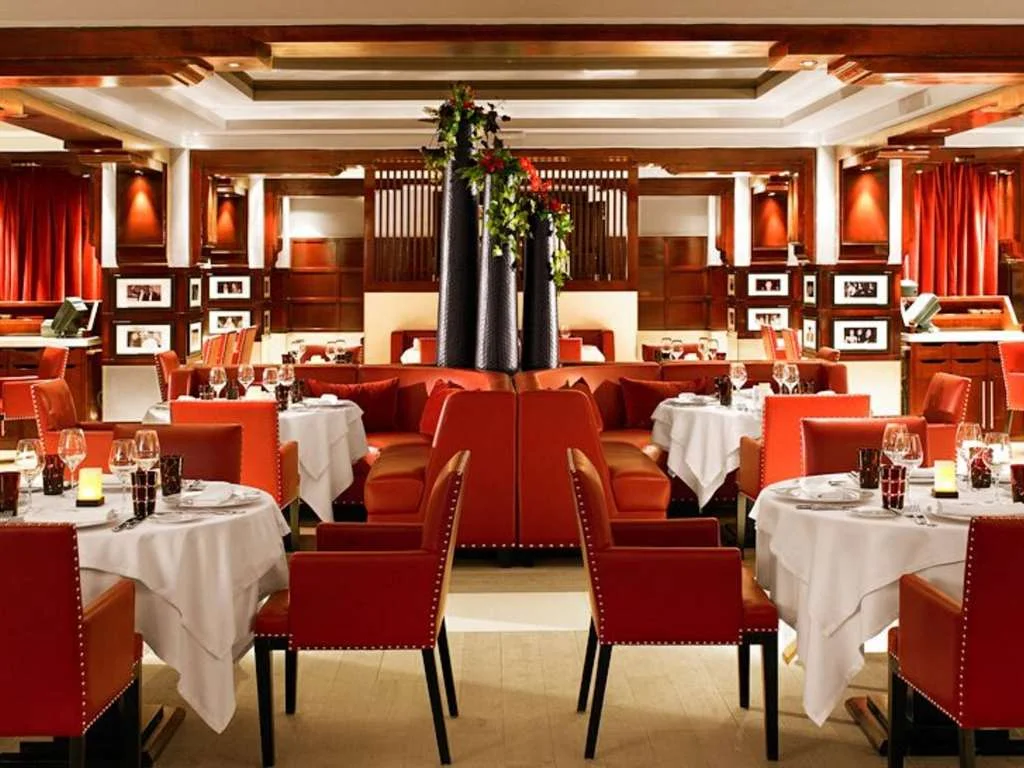
- Complimentary Daily Breakfast for up to two guests per bedroom (Served in restaurant)
- Complimentary One-Category Upgrade (Subject to availability at time of arrival)
- VIP Welcome Amenity
Guest feedback
9.2/10 from 636 guest reviews
By category
Guests liked
- Friendly staff
- Clean rooms
- Great location
Points to consider
- Slow room service
- Limited cocktail menu
Location
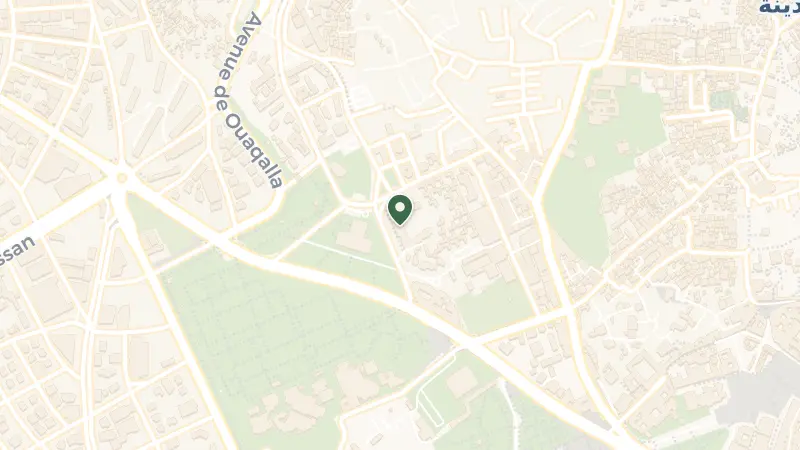
Within Bab Doukkala, one of the northern gates piercing the ochre ramparts of the medina, the property sits where the old city's labyrinthine pulse meets quieter residential lanes. The neighbourhood carries the rhythm of everyday Marrakech: donkey carts loaded with mint, the call to prayer echoing from unseen minarets, the scent of orange blossom and charcoal smoke drifting over courtyard walls. This is the medina beyond the postcard, where locals shop for vegetables and spices rather than carpets aimed at tourists.
Founded in 1070 by the Almoravid dynasty, Marrakech remains defined by those rust-red walls built nine centuries ago, the sandstone giving the entire city its reputation as the Red City. The fortified medina, a UNESCO World Heritage Site since 1985, sprawls in all directions from here: a tangle of souks, riads, and covered passages that have served as a crossroads for trade and pilgrimage across the Maghreb for a millennium. Jemaa el-Fna, the vast central square where acrobats and storytellers gather at dusk, lies less than a kilometre south through the tight arteries of the old quarter.
Marrakesh Menara Airport sits five kilometres southwest, a short drive that deposits arrivals directly into a city where the medieval and modern exist side by side, separated only by the thickness of a rammed-earth wall.
The medina unfolds in concentric rings of commerce and craft. Souk el Maasi and the leather souk lie within a ten-minute walk, their stalls stacked with babouches, woven baskets, and hides drying in the open air. The olive souk and Souq El Kessabine (the butchers' quarter) press closer still, aromatic with preserved lemons and fresh-cut meat. Navigate south to Jemaa el-Fna by late afternoon, when the square transforms from a daytime fruit market into an open-air theatre of snake charmers, Gnawa musicians, and temporary kitchens grilling merguez and serving bowls of harira. Book an early evening visit to catch the light turning gold across the Koutoubia minaret.
Beyond the ramparts, golfers will find Marrakech Golf City and The Montgomerie Marrakech just over three kilometres away, courses that spread across the palmery plain with views back to the Atlas peaks. The mountains themselves rise to the south, snow-capped in winter, their foothills reachable within an hour for those seeking cooler air and Berber villages terraced into the slopes.
Spring arrives with almond blossoms and highs in the low twenties, the medina still cool enough for unhurried exploration before the summer heat descends. By July and August, temperatures soar past thirty-six degrees; the city slows, shutters close during midday, and courtyards with fountains become essential refuges.
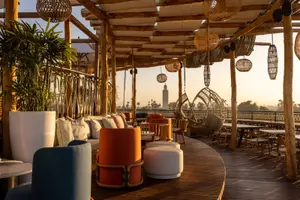
Autumn rebuilds momentum as the air softens and the souks refill. October brings comfortable warmth, the light honeyed and long, ideal for rooftop terraces at sunset.
Winter turns unexpectedly crisp. Mornings can drop to four degrees, and the occasional February rain darkens the red walls to deeper terracotta. Fires burn in braziers, and the Atlas peaks wear fresh snow, visible from the ramparts on clear days.
Frequently Asked Questions

Quotes are personally reviewed by Natasha Hardy, founder of The Uncommon Traveller
5.0 rating · 8 Google reviewsThere is no fee or markup. The hotel pays our commission.
Request a Quote