La Mamounia
When you book La Mamounia in Marrakech, Morocco, through our Virtuoso partnership, your stay includes daily buffet breakfast for up to two guests and a $100 USD food and beverage credit. You also receive a room upgrade, early check-in and late check-out when available. No premium credit card or membership needed: request a quote and our advisor books it at the same rate as booking direct.
Special Offer
+ Complimentary Custom Jewish Heritage Consultation + VIP Experiences on 10-Day Private Morocco Tour
Exclusive Booking Perks
These perks are included with your stay at the same rate as booking direct with the hotel.
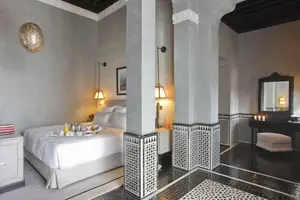
- Upgrade on arrival, subject to availability
- Daily Buffet breakfast for up to two guests per bedroom, served in the restaurant
- $100 USD equivalent Food & Beverage credit to be utilized during stay (not combinable, not valid on room rate, no cash value if not redeemed in full)
- Early Check-In / Late Check-Out, subject to availability
Guest feedback
9.0/10 from 119 guest reviews
Read what guests commentedBy category
Guests liked
- Excellent service
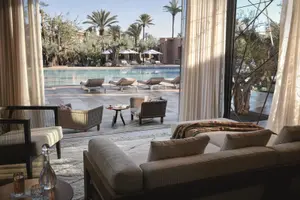
- Beautiful facilities
- Great amenities
Location
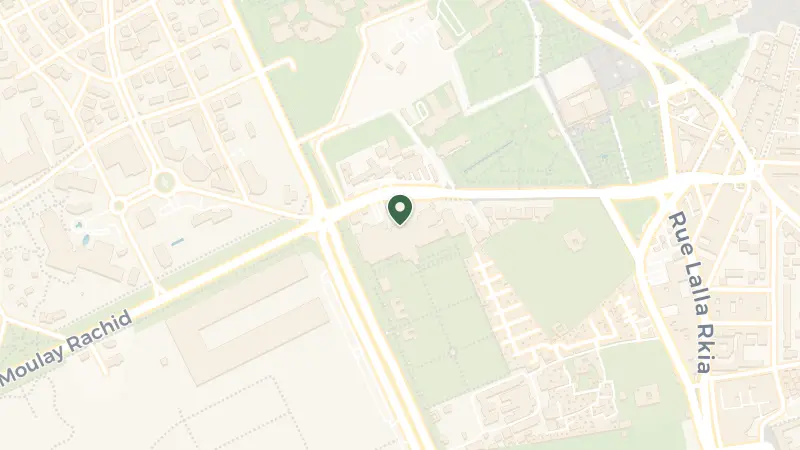
La Mamounia stands in the heart of Marrakech's medina, where the city's red sandstone walls,built in the 1120s and still defining the skyline,glow ochre in the afternoon light. Founded in 1070 as an Almoravid capital, Marrakech has remained a cultural crossroads for nearly a millennium, its influence rippling across the Maghreb and beyond. The medina unfolds in a labyrinth of narrow streets and covered souks, where the scent of cedar smoke and spice paste drifts from workshop doorways. This is the Ochre City at its most concentrated: vendors calling out prices, the clatter of handcarts over cobblestones, the sudden cool of a shaded archway after the blaze of Jemaa el-Fna.
Walk less than a kilometre and you reach the square itself, where snake charmers and storytellers hold court beneath a haze of grill smoke. The medina was inscribed as a UNESCO World Heritage Site in 1985, recognition of a cityscape that has preserved its Almoravid bones through Saadian splendour and French protectorate intrigue. The Koutoubia minaret rises to the west, a 12th-century landmark visible from rooftops across the quarter.
Marrakesh Menara Airport lies four kilometres southwest, with taxis and transfers connecting arrivals to the medina gates in under twenty minutes. The city sits at the foot of the Atlas Mountains, their snowcapped peaks a pale backdrop on clear winter mornings.
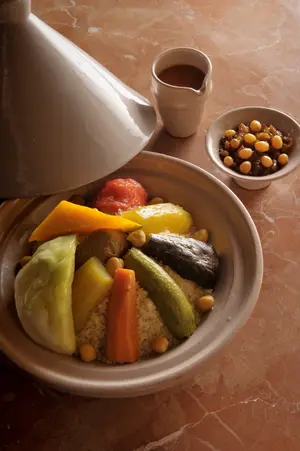
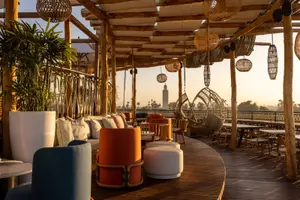
On-property dining includes several restaurants, though specific Michelin recognition has not reached the city; Marrakech's culinary reputation rests instead on riads and medina institutions where tagines simmer in clay pots and pastilla arrives under a veil of cinnamon-dusted pastry. Beyond the property, the souks demand attention: Souk el Kessabine (1.2 kilometres north) for leather goods, Olive Souk (1.1 kilometres) for spices and preserved lemons, and the sprawling Jemaa el-Fna, less than a kilometre away, where night transforms the square into an open-air dining hall thick with the smoke of merguez grills. Book a table at a rooftop overlooking the chaos, or thread through the stalls to find a storyteller mid-performance, his audience a tight circle of tilted heads.
The medina itself is the cultural landmark, its souks radiating from Jemaa el-Fna like capillaries. The Koutoubia Mosque, built under the Almohads in the 12th century, anchors the western edge with its 77-metre minaret. For golfers, Marrakech Golf City and The Montgomerie Marrakech lie within three kilometres, their fairways framed by olive groves and mountain vistas. The Atlas foothills beckon for day trips: hiking trails, Berber villages, and the cedar forests that supplied the city's historic palaces.
Winter brings clarity to Marrakech, the air crisp enough to sharpen the mountains into relief. January and February hover around 18°C during the day, dropping to low single digits at night; this is the season for long walks through the souks without the weight of summer heat.
Spring and autumn are the city's sweet spots. March through May and October through November offer temperatures in the low to mid-twenties, the light soft and golden, the medina bustling but not oppressive. April and May see occasional showers that briefly darken the red walls, but they pass quickly.
Summer is uncompromising: July and August push past 36°C, the medina baking under relentless sun. Mornings are tolerable; afternoons belong to shaded courtyards and the slow drip of fountain water. Visit in spring or autumn when the city breathes easiest.
Frequently Asked Questions

Quotes are personally reviewed by Natasha Hardy, founder of The Uncommon Traveller
5.0 rating · 8 Google reviewsThere is no fee or markup. The hotel pays our commission.
Request a Quote