Nobu Hotel Marrakech
When you book Nobu Hotel Marrakech in Morocco through our Virtuoso partnership, your stay includes daily breakfast for up to two guests and a $100 USD resort or hotel credit. You also receive a room upgrade, early check-in and late check-out when available. No premium credit card or membership needed: request a quote and our advisor books it at the same rate as booking direct.
Special Offer
+ Complimentary round-trip private airport transfer
Exclusive Booking Perks
These perks are included with your stay at the same rate as booking direct with the hotel.
- Upgrade on arrival, subject to availability
- Daily breakfast for up to two guests per bedroom, served in the restaurant (already included in property rates)
- $100 USD equivalent Resort or Hotel credit to be utilized during stay (not combinable, not valid on room rate, no cash value if not redeemed in full)
- Early check-in / Late check-out, subject to availability
Guest feedback
Based on 210 guest reviews
By category
Guests liked
- Excellent staff
- Great location
- Good food
Points to consider
- Noise disturbances
- Cleanliness issues
Location
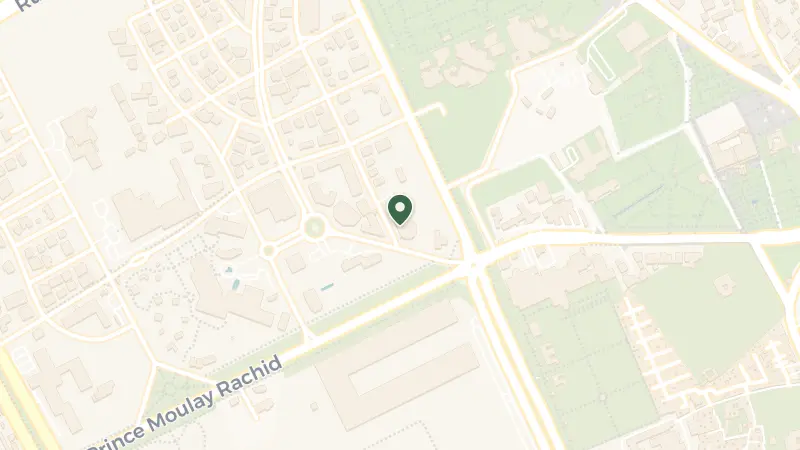
Nobu brings its signature fusion of Japanese precision and contemporary ease to Marrakech, a city where centuries of imperial grandeur meet the raw energy of North African trade routes. The property sits in the Hivernage district, adjacent to Gueliz, where tree-lined boulevards and modernist cafés provide a cooler, greener counterpoint to the intensity of the medina. This is new-city Marrakech, where you'll find gallery openings and rooftop lounges rather than spice-laden alleyways, yet the old fortified centre lies just beyond, close enough to reach on foot or by a quick taxi ride.
Founded in 1070 by the Almoravid dynasty, Marrakech grew into a cultural and religious powerhouse whose influence rippled across the western Muslim world. The city's red sandstone walls, raised in the twelfth century, still encircle the medina, earning it the moniker of the Red City. The Saadian sultans embellished it further in the sixteenth century, layering palaces and gardens across the landscape. Today, that history collides with a thriving arts scene and a cosmopolitan dining culture, particularly in neighbourhoods like this one.
Marrakech Menara Airport sits four kilometres from the property, a short drive through jacaranda-lined streets. The city sprawls toward the foothills of the Atlas Mountains, which rise in hazy ridges to the south, snowcapped in winter and perpetually dramatic against the desert light.
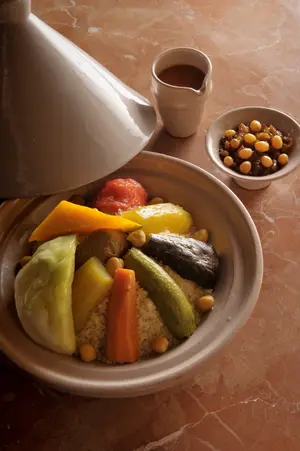
Within the hotel, expect Nobu's signature Peruvian-Japanese repertoire: miso-marinated black cod, yellowtail sashimi with jalapeño, crispy rice topped with spicy tuna. The culinary philosophy here is one of precision and boldness, ingredients speaking for themselves under minimal interference. There are no Michelin-starred restaurants within the city, but Marrakech's gastronomic identity lies elsewhere: in wood-fired tanjia stews, in the slow-braised lamb mechoui served at neighbourhood haunts, in the mint tea poured from absurd heights in the souks.
The UNESCO-listed Medina of Marrakesh sprawls two kilometres east, a labyrinth of vendors, metalworkers, and spice merchants dating back nearly a millennium. Start at Jemaa el-Fna, the central square where snake charmers, storytellers, and orange juice vendors converge in a cacophony of voices and drumbeats. From there, push into the souks: Souq el Kessabine for leatherwork, the Olive Souk for ceramics, Marché Central for produce and pungent preserved lemons. Book a morning at one of the city's hammams for a full scrub and argan oil massage. The Rmila nature reserve, twelve kilometres out, offers quieter trails through cork oak and juniper if you need distance from the city's relentless hum.
Winter mornings arrive cool and sharp, temperatures dipping near freezing at night before climbing to mild eighteen-degree afternoons. February can bring unexpected rain, turning the streets slick and the air heavy with petrichor. This is low season, but the light is crystalline, the crowds thinner, the city softer at the edges.
Spring and autumn are ideal: warm days in the low twenties, cool evenings perfect for rooftop dining. The city blooms in March, bougainvillea spilling over courtyard walls, jacaranda trees turning boulevards violet in April. October offers the same balance, the heat receding but the sun still strong enough to warm the terracotta ramparts.
Summer is unforgiving. July and August see temperatures spike into the mid-thirties, the air dry and merciless, the city slowing to a siesta crawl. Early mornings and late evenings become the only bearable hours for exploration, the rest spent by pools or in the shade of riad courtyards.
Frequently Asked Questions

Quotes are personally reviewed by Natasha Hardy, founder of The Uncommon Traveller
5.0 rating · 8 Google reviewsThere is no fee or markup. The hotel pays our commission.
Request a Quote