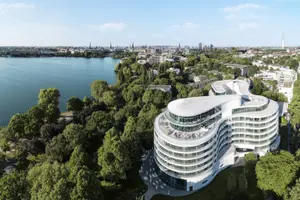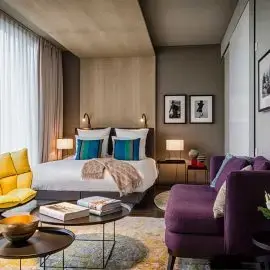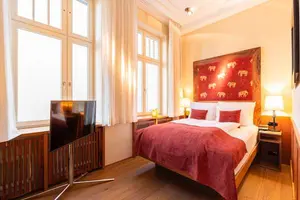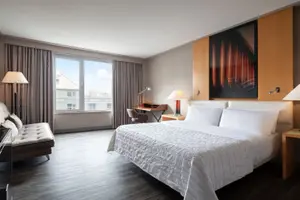
Hotel Vier Jahreszeiten Kempinski München
When you book Hotel Vier Jahreszeiten Kempinski München in Munich, Germany, through our Virtuoso partnership, your stay includes daily full breakfast for up to two guests and a $100 USD food and beverage credit. You also receive a room upgrade, early check-in and late check-out when available. No premium credit card or membership needed: request a quote and our advisor books it at the same rate as booking direct.
Exclusive Booking Perks
These perks are included with your stay at the same rate as booking direct with the hotel.
- Upgrade on arrival, subject to availability
- Daily Full breakfast for up to two guests per bedroom, served in the restaurant
- $100 USD equivalent Food & Beverage credit
- Early Check-In / Late Check-Out, subject to availability
Location
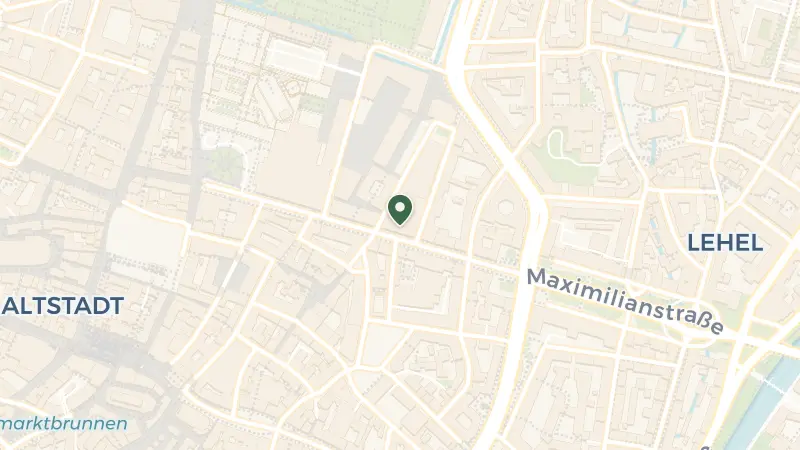
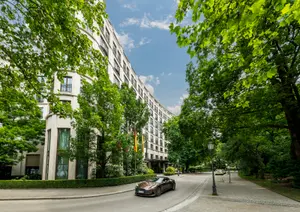
The property stands on Maximilianstraße, Munich's grand boulevard of arcaded buildings and haute boutiques, in the Graggenauerviertel quarter of the Old Town. Step outside and you are in the heart of Bavarian baroque grandeur: the Residenz, once the seat of the Wittelsbach dynasty, lies a few hundred metres west, its treasury rooms glittering with centuries of collected jewels and curiosities. The Isar River flows just beyond, its tree-lined banks a green corridor through the city centre.
Munich has been a capital since 1806, and it feels like one. Wide squares open onto ornate façades, beer halls hum with the low roar of afternoon conversation, and the scent of roasted almonds and sausages drifts from market stalls. The Graggenauerviertel's cobbled lanes still follow their medieval pattern, though the buildings are largely 19th-century reconstructions after wartime damage. The rhythm here is unhurried, punctuated by church bells and the clatter of trams.
Munich Airport sits 28 kilometres northeast, connected by S-Bahn trains that run directly into the Old Town. The journey takes under an hour, delivering you to a city that remains deeply Catholic, deeply Bavarian, and deeply invested in its own rituals of culture and cuisine.
Schwarzreiter Restaurant, on-site with its own Maximilianstraße entrance, serves modern Bavarian cooking grounded in regional ingredients: think Allgäu cheese, Chiemsee whitefish, venison from the surrounding forests. The approach is refined but not fussy, honouring country traditions without museum-piecing them. Four hundred metres south, Tohru in der Schreiberei holds three Michelin stars for its Japanese contemporary menu, accessed by climbing a steep wooden staircase into a space designed with precision. Book a table at JAN, 1.5 kilometres away, where JAN Hartwig bridges French technique and German classics in a restaurant that ranks among Europe's finest. The tasting menus shift with the seasons, but the discipline is constant.
The Bauernmarkt Lehel, a farmers' market 400 metres east, spreads out twice weekly with Alpine cheeses, Franconian wines, and root vegetables still dusted with soil. The Residenz treasury holds Wittelsbach regalia and Byzantine reliquaries. For an oddity, walk 700 metres northeast to the Eisbach surfer wave in the Englischer Garten, where wetsuit-clad locals ride a standing wave in the middle of a city park year-round, the cold Isar current churning beneath them.
Winter arrives sharp and often snowbound. JANuary temperatures hover just below freezing, and the Alps to the south vanish behind low grey clouds. The Christmas markets close by Epiphany, leaving the streets quieter, the light thin and pewter-coloured until March. Spring is brief but intense: by May, chestnut trees canopy the beer gardens, and locals reclaim the Isar's gravel banks for afternoon sun.
Summer peaks in July, warm but rarely oppressive, with long evenings that stretch past nine o'clock. Thunderstorms roll in from the mountains without warning, drenching the cobblestones and clearing the air. Autumn is the loveliest season: September and early October bring golden light, cooler mornings, and the start of Oktoberfest crowds.
Late autumn turns damp and grey. By November, fog settles over the city, and the year begins its slow tilt back toward winter.
Frequently Asked Questions

Quotes are personally reviewed by Natasha Hardy, founder of The Uncommon Traveller
5.0 rating · 8 Google reviewsThere is no fee or markup. The hotel pays our commission.
Request a Quote 11 Bib Gourmand