Fairmont Hotel Vier Jahreszeiten
When you book Fairmont Hotel Vier Jahreszeiten in Hamburg, Germany, through our Virtuoso partnership, your stay includes daily full breakfast for up to two guests and a $100 USD resort or hotel credit. You also receive a room upgrade when available. You continue earning ALL Accor points and elite night credits. No premium credit card or membership needed: request a quote and our advisor books it at the same rate as booking direct.
Exclusive Booking Perks
These perks are included with your stay at the same rate as booking direct with the hotel.
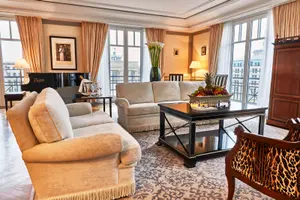
- Upgrade on arrival, subject to availability
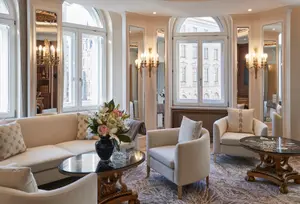
- Daily Full breakfast for up to two guests per bedroom, served in the restaurant and via in-room dining
- $100 USD equivalent Resort or Hotel credit
- Stays of 6+ nights will receive an additional $100 Resort or Hotel credit (for a total of $200 during stay)
- Early Check-In / Late Check-Out, subject to availability
Guest feedback
9.6/10 from 115 guest reviews
By category
Guests liked
- Exceptional service
- Great location
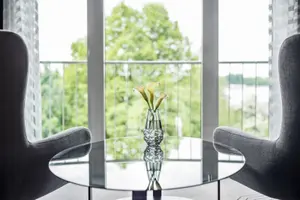
- Spacious rooms
Points to consider
- Restaurant service inconsistency
Location
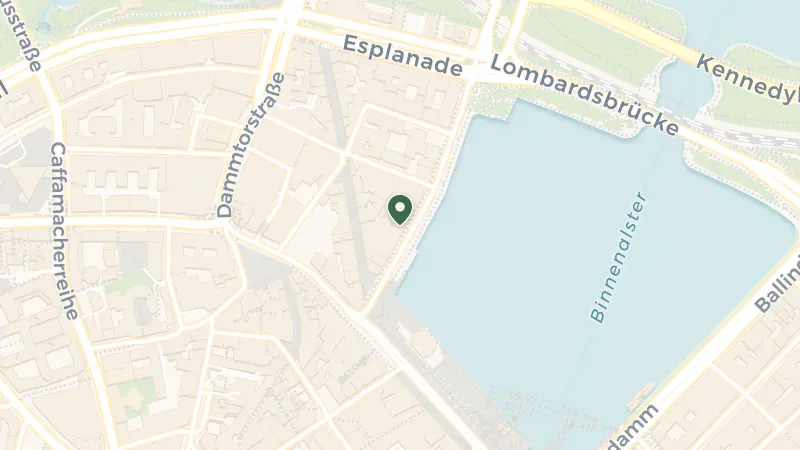
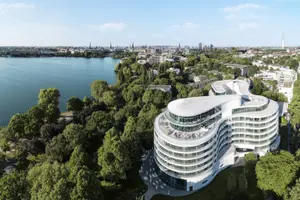
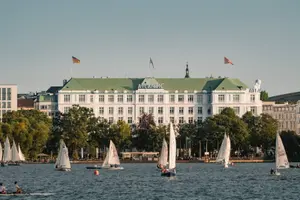
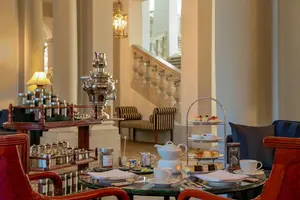
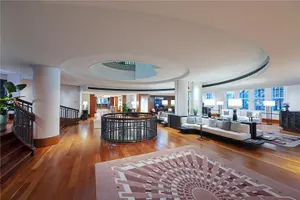
The Fairmont carries a particular weight in Hamburg, operating within a structure that has stood beside the Inner Alster lake since the city's mercantile golden age. This is a property built for consequence: grand event spaces, multiple dining venues, the kind of established presence that marks major gatherings and celebrations in the city's calendar.
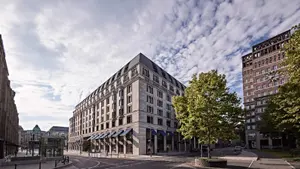
The Neustadt quarter wraps around the western shore of the Alster, where canal-laced streets retain the geometry of their Hanseatic origins. The neighbourhood hums with the quiet prosperity of a mercantile republic that survived fire, flood, and wartime devastation to emerge wealthier each time. Walk east from the hotel and you reach the arcaded shopping passages of the Alsterarkaden; south toward the harbour, the red-brick canyon warehouses of Speicherstadt rise from narrow channels, a UNESCO-listed district that once stored coffee, tea, and Oriental carpets for half of Europe.
Hamburg Helmut Schmidt Airport sits eight kilometres north, connected by S-Bahn rail links that run directly into the city centre. The central station lies a ten-minute walk east.
On-property dining reaches its apex at Restaurant Haerlin, where Christoph Rüffer has held three Michelin stars for over two decades, his creative French cuisine served in a chic dining room overlooking the Alster. The menu shifts with the seasons but maintains a precision that has made this one of northern Germany's most celebrated tables. For something warmer in temperament, GRILL wraps diners in Caucasian walnut and pigeon blue, a log fire crackling as classic French technique meets the GRILL's primal heat. Book a table at The Table Kevin Fehling, 1.6 kilometres away, where the chef's three-starred "Das Tor zur Welt" menu fuses Asian, Middle Eastern, and South American influences with French foundations in a way that reflects Hamburg's historic role as a gateway port.
Beyond the plate, the city rewards curiosity. The Burchardplatz and Großneumarkt weekly markets, both within a kilometre, overflow with northern German produce and fish pulled from the North Sea that morning. The KomponistenQuartier Hamburg, established in 2015, celebrates the city's musical lineage through exhibits on composers who worked here, while the Hamburger Segel-Club marina, 1.2 kilometres along the waterfront, offers a glimpse of the sailing culture that thrives on the Alster's sheltered waters. Dialogue in the Dark, a museum experience founded in 1988 that guides visitors through lightless environments, challenges perception in a city rebuilt from fire and flood.
Winter brings a particular northern European bleakness: short days, temperatures hovering near freezing, the Alster steely grey under low cloud. January averages three degrees, though the city's merchants have always done business regardless of weather.
Spring arrives tentatively in April and May, temperatures climbing into the mid-teens. The lime trees along the Alster canals leaf out, café tables return to the arcades, and the light stretches past eight in the evening by late May.
Summer peaks modestly, July barely reaching twenty-two degrees. This is when Hamburg feels most alive: sailing dinghies dot the Alster, terrace dining extends late into Baltic twilight, and the port city shakes off its northern reserve.
Frequently Asked Questions

Quotes are personally reviewed by Natasha Hardy, founder of The Uncommon Traveller
5.0 rating · 8 Google reviewsThere is no fee or markup. The hotel pays our commission.
Request a Quote 8 Bib Gourmand