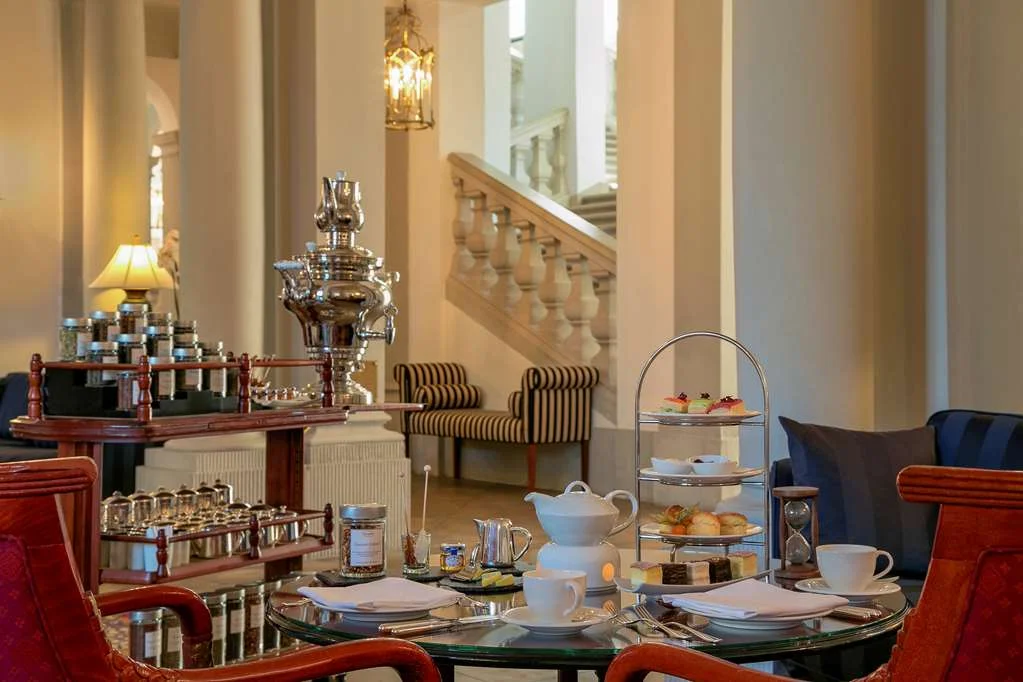
Hotel Taschenbergpalais Kempinski Dresden
When you book Hotel Taschenbergpalais Kempinski Dresden in Germany through our Virtuoso partnership, your stay includes daily buffet breakfast for up to two guests and a $100 USD food and beverage credit. You also receive a room upgrade when available. No premium credit card or membership needed: request a quote and our advisor books it at the same rate as booking direct. Plus, for a limited time, a complimentary night is included with your stay.
Special Offer: Free night
+ Stay 3, Pay 2
Exclusive Booking Perks
These perks are included with your stay at the same rate as booking direct with the hotel.
- Upgrade on arrival, subject to availability
- Daily Buffet breakfast for up to two guests per bedroom, served in the restaurant
- $100 USD equivalent Food & Beverage credit
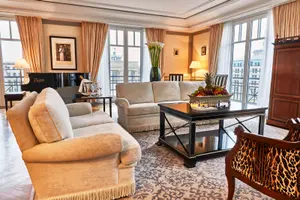
- Bookings in our Suites will also receive complimentary mini-bar
- Early check-in / Late check-out, subject to availability
Location
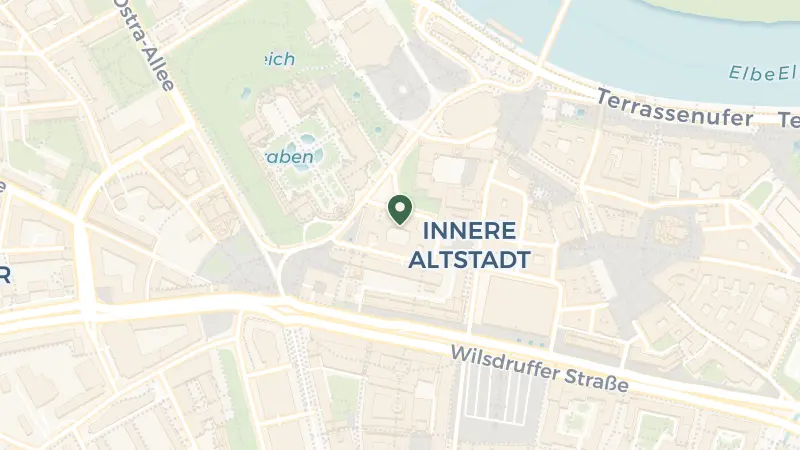
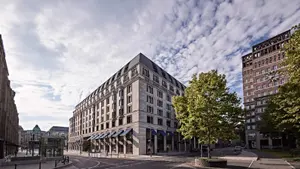
Kempinski's Dresden flagship occupies the reconstructed Taschenbergpalais, a baroque palace with roots in Saxon royal history, standing steps from the Zwinger and the Elbe's languid northern curve. The Innere Altstadt hums with the tension between meticulous restoration and living city: sandstone façades glow amber at dusk, tram bells chime over cobblestones, and tourists funnel toward the Frauenkirche while locals queue at the Dresdner Bauernmarkt on Königstraße, eleven blocks north. This is a capital that was erased in 1945 and painstakingly rebuilt, its skyline now a monument to both loss and tenacity.
The neighbourhood is a museum quarter turned breathing precinct. The Zwinger's pavilions, completed in 1728, house the Mathematisch-Physikalischer Salon and the Dresden Porcelain Collection, their galleries silent except for footsteps on parquet. Across Sophienstraße, the Residenzschloss shelters the Münzkabinett and the Kupferstich-Kabinett, six centuries of Saxon artistry compressed into vaulted chambers. Walk east along the Elbe promenade and the city softens into parkland; the Neustadt bank, two kilometres across the Augustusbrücke, trades grandeur for cafe culture and the weekly sprawl of the Wochenmarkt Alaunplatz.
Dresden Airport lies nine kilometres northwest, a twenty-minute taxi ride through suburbs that give way abruptly to the Altstadt's theatrical density.
The property anchors a city where dining swings between reverent tradition and contemporary invention. For Michelin-starred ambition, Genuss-Atelier occupies a villa cellar in Neustadt, three kilometres north, its sandstone walls and brick vaults framing modern technique; elements, also one-starred and housed in the industrial-chic Zeitenströmung complex, sits just beyond that. Book a table at Atelier Sanssouci if you have a car and an afternoon: the estate lies eight kilometres out, an eighteenth-century manor where garden views accompany seasonally driven tasting menus. Closer in, the Dresdner Bauernmarkt on Königstraße peddles Thuringian sausages and Saxony cheeses beneath canvas stalls, the smell of wood smoke curling over stacked loaves every Wednesday and Saturday.
Cultural density here is absurd. The Zwinger and Residenzschloss form a UNESCO-adjacent cluster of museums: the Galerie Neue Meister for German Romantic painting, the Dresden Armory for medieval weaponry, the Albertinum for sculpture. Pillnitz Castle sits fifteen kilometres upriver, a summer palace where chinoiserie pavilions overlook the Elbe. Start with the Grünes Gewölbe in the castle, a treasury so opulent it requires timed entry, then lose an hour along the Brühlsche Terrasse, the stone terrace locals call Europe's balcony.
Winter wraps the Altstadt in iron-grey skies and temperatures that hover just below freezing, the Elbe sluggish beneath low cloud. Snow dusts the Zwinger's courtyards, and Christmas markets transform the squares into forests of wooden huts selling Glühwein and Dresdner Stollen. The light is pale, diffuse, unforgiving on stone.
Spring arrives late but decisively. By April, linden trees along the promenade leaf out, cafes spill onto pavements, and the river reflects a sky that finally clears. Temperatures climb into the mid-teens, rain frequent but brief, the city shaking off its winter pallor.
July and August bring warmth that peaks in the low twenties, humidity rising with afternoon thunderstorms that empty the streets for twenty minutes before crowds return. Late September is ideal: the light turns golden, the air cools to a crisp twenty degrees, and the museums empty out as tourists thin.
Frequently Asked Questions

Quotes are personally reviewed by Natasha Hardy, founder of The Uncommon Traveller
5.0 rating · 8 Google reviewsThere is no fee or markup. The hotel pays our commission.
Request a Quote 3 Bib Gourmand