Althoff Seehotel Überfahrt
When you book Althoff Seehotel Überfahrt in Rottach-Egern, Germany, through our Virtuoso partnership, your stay includes daily breakfast for up to two guests. You also receive a room upgrade, early check-in and late check-out when available. No premium credit card or membership needed: request a quote and our advisor books it at the same rate as booking direct.
Special Offer: 3rd night free
3rd night free Arrival date: Sunday or Monday and bookable on selected dates March 01,02,08,09,22,23,29 April 06,12,13,19,26,27 May 03,04,17,24,25,31 October 04,05,11,12,18,19,25,26 November 01, 02,08,09,15,16,29,30 December 06,07,13,14
Exclusive Booking Perks
These perks are included with your stay at the same rate as booking direct with the hotel.
- Upgrade on arrival, subject to availability
- Daily breakfast for up to two guests per bedroom, served in the restaurant and via in-room dining (already included in property rates)
- $100 USD equivalent Food & Beverage credit to be utilized during stay (not combinable, not valid on room rate, no cash value if not redeemed in full, cannot be redeemed at Restaurant Faerhuette 14)
- Early Check-In / Late Check-Out, subject to availability
Guest feedback
9.3/10 from 1,204 guest reviews
By category
Guests liked
- Excellent service
- Beautiful location
- Great food
Points to consider
- Expensive parking
- Long wait times for orders
Location
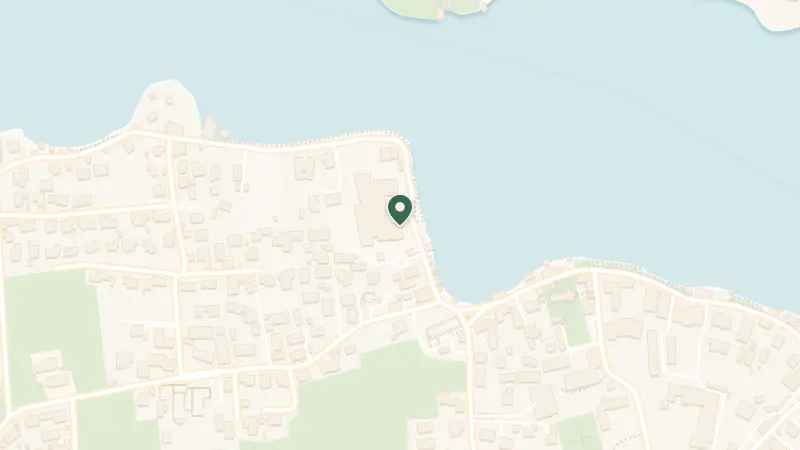
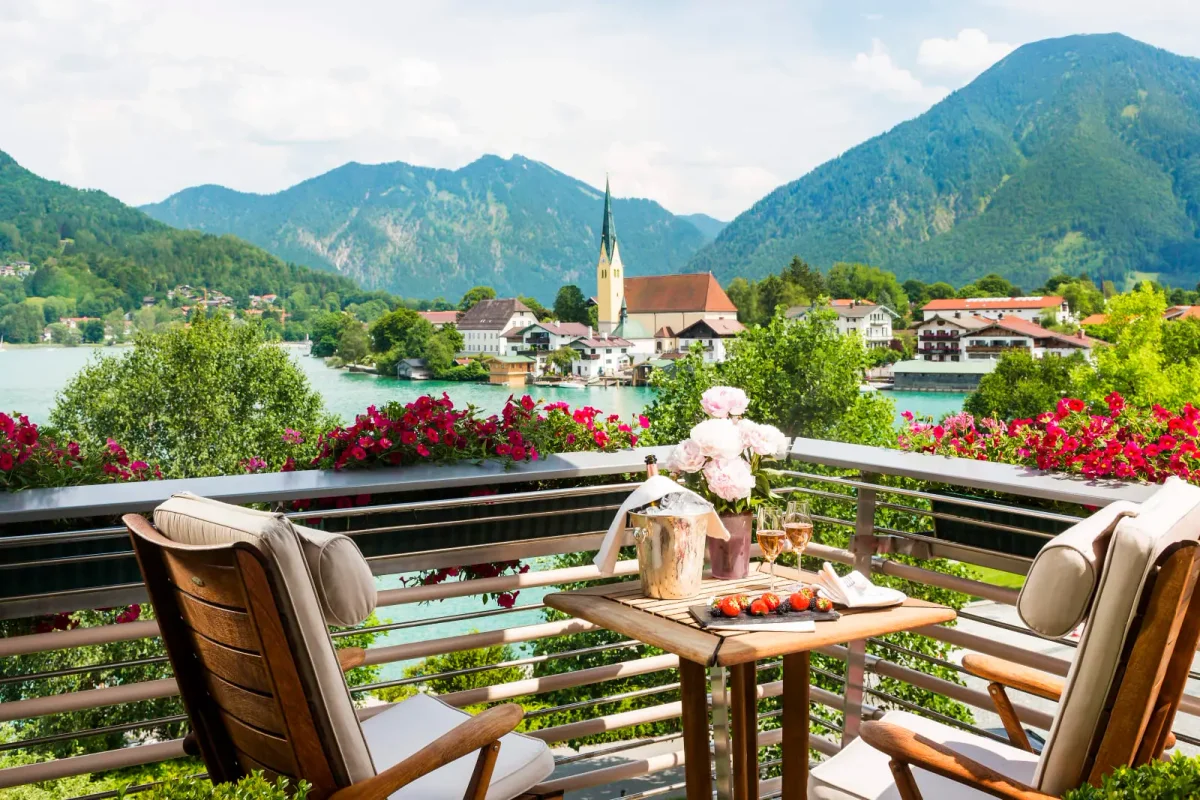
Rottach-Egern occupies the southern shore of the Tegernsee, a glacial alpine lake where the peaks of Upper Bavaria rise steeply from the water. The town feels less like a resort and more like a working Bavarian village that happens to possess one of the region's most beautiful settings: traditional Lüftlmalerei frescoes still decorate old houses, and the rhythm of daily life revolves around the lake rather than tourism. Wooden fishing boats share the water with yachts, and the air carries the scent of pine forests that blanket the surrounding slopes.
The Tegernsee Valley has long drawn those seeking distance from Munich's pace without sacrificing cultural depth. Cornelia Fischer, who leads the kitchen at Restaurant Überfahrt on the property's grounds, brings farm-to-table sensibility to the fine dining landscape here. The lake itself measures just six kilometres long, its crystal clarity a result of strict environmental protections, and walking paths trace the shoreline in both directions from the hotel.
Rottach-Egern sits roughly fifty-five kilometres south of central Munich, accessible via direct routes through the Mangfall Valley. Innsbruck Airport lies fifty-eight kilometres to the south, while Munich Airport is seventy-three kilometres north. The town's elevation at 736 metres means cooler nights even in summer, and the alpine microclimate shapes both the landscape and the local approach to seasonality.
Restaurant Überfahrt, helmed by Cornelia Fischer, holds one Michelin star and draws its menu from regional farms and foragers. The cooking here balances classic technique with an appreciation for what grows within immediate reach of the lake. Walk four hundred metres along the waterfront to reach Gourmetrestaurant Dichter at Parkhotel Egerner Höfe, a two-starred dining room serving modern creative French cuisine behind glassed-in wine cabinets that line the approach. Book a table at Dichter well ahead; chef-patron Marc Neubeck's following extends well beyond the valley. The Tegernsee's exceptional water clarity makes it a favoured diving destination, with sites like Schweinebucht and Schorn offering underwater visibility rare for an alpine lake.
Five marked waterfalls lie within a ten-kilometre radius, including the Rottachfall, where the Rottach stream tumbles through mossy gorges before feeding the lake. Spitzingsee-Tegernsee ski area, eight kilometres distant, opens in December and holds snow reliably through March. Three golf courses operate within five kilometres during warmer months, and the Yachthafen marina three kilometres north rents small sailboats for those who prefer exploring the lake under their own propulsion. The Church of Wies, sixty-four kilometres west, remains Bavaria's finest example of Rococo exuberance and warrants the drive for anyone interested in eighteenth-century architecture.
Winter transforms the Tegernsee into a still mirror reflecting snowbound peaks, with temperatures often dropping well below freezing at night and rarely climbing above two or three degrees in January. The air turns sharp and bright, and the lake's edges ice over in particularly cold stretches. Snow arrives reliably by December and lingers on higher trails through March.
Spring comes late to the valley, with frost still possible into April, but by May the meadows above the lake fill with wildflowers and temperatures climb into the mid-teens. Summer brings the most consistent warmth, with July highs around twenty-two degrees and long evenings that stretch until nearly ten o'clock. Rain falls frequently between May and July, nourishing the deep green of the forests.
Autumn offers the clearest mountain views and the most stable weather, with September and October delivering cool mornings and mild afternoons ideal for hiking the higher ridges. November sees the first serious cold return, and the forests begin their descent into dormancy as mist settles over the water.
Frequently Asked Questions

Quotes are personally reviewed by Natasha Hardy, founder of The Uncommon Traveller
5.0 rating · 8 Google reviewsThere is no fee or markup. The hotel pays our commission.
Request a Quote 12 Bib Gourmand