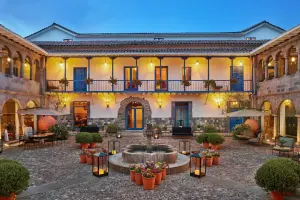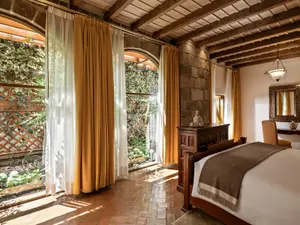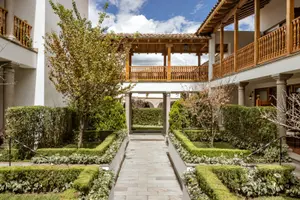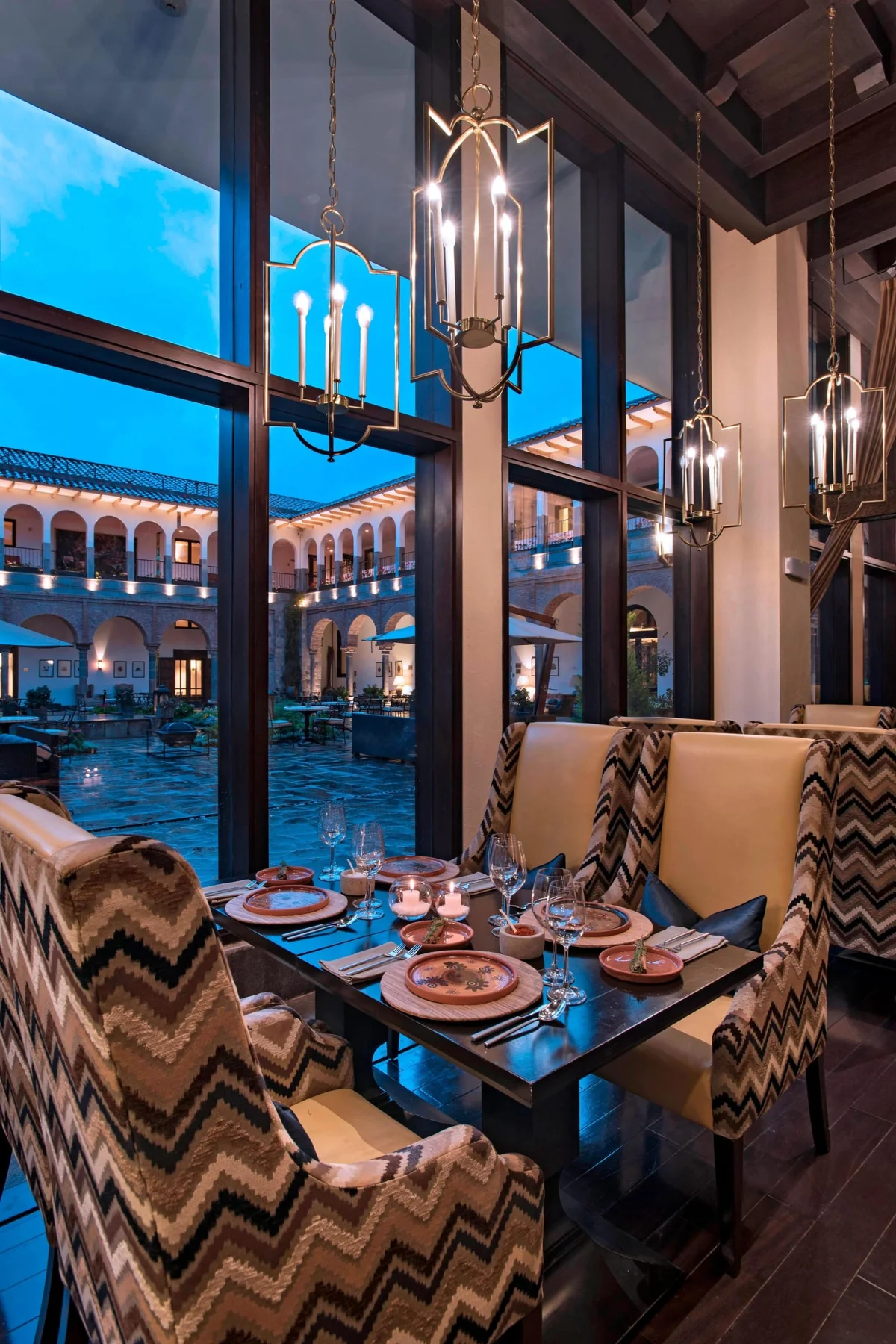
JW Marriott El Convento Cusco
When you book JW Marriott El Convento Cusco in Peru through our Marriott Luminous partnership, your stay includes daily breakfast for two and a welcome amenity. You also receive a room upgrade, early check-in and late check-out when available. No premium credit card or membership needed: request a quote and our advisor books it at the same rate as booking direct.
Exclusive Booking Perks
These perks are included with your stay at the same rate as booking direct with the hotel.
- Welcome amenity
- Complimentary breakfast daily for two guests per room
- Early check-in and late check-out (when available)
- Complimentary upgrade (if available at check-in)
Guest feedback
9.6/10 from 975 guest reviews
Read what guests commentedBy category
Guests liked
- Exceptional service
- Great location
- Excellent breakfast options
Points to consider
- Small rooms
- Inconvenient check-out time
Location
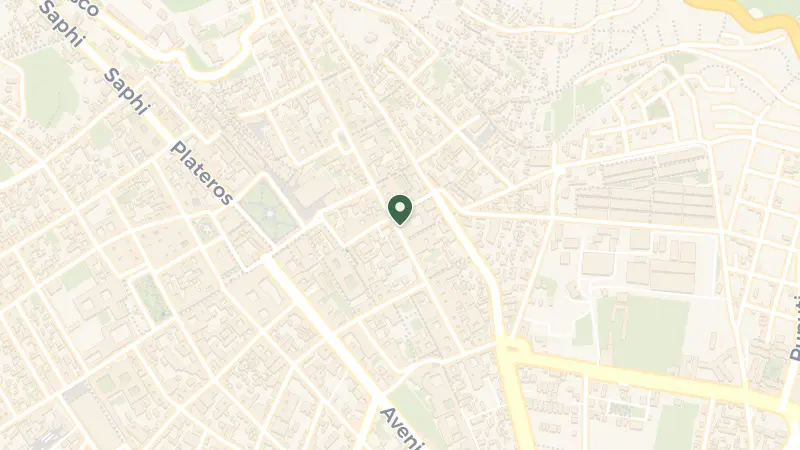
San Blas rises on Cusco's northeastern slope, its cobbled lanes too narrow for cars, its whitewashed colonial houses built directly over Inca stonework. The neighborhood climbs steeply from the Plaza de Armas, each turn revealing another artisan workshop, another café tucked into a 16th-century courtyard. At 3,399 metres, the altitude announces itself immediately: the thin air, the intensity of sunlight on terracotta tiles, the way conversations pause mid-sentence while lungs adjust. This was Pachacutec's capital before Spanish conquest remade it, and the layering of civilizations remains visible in every wall, Inca granite fitted without mortar beneath colonial archways.
The neighborhood's character is decidedly local. Weavers work in doorways along Cuesta San Blas. The Museo de Arte Precolombino, housed in a former ceremonial court just steps away, displays Moche ceramics and Nazca textiles that predate the Inca entirely. Beyond San Blas, the archaeological complex of Saqsaywaman spreads across the hillside, its megalithic walls demonstrating a masonry precision that still defies explanation.
Alejandro Velasco Astete International Airport sits five kilometres southeast, its runway one of the highest in South America. The taxi ride into the city traces the Urubamba Valley's western edge before climbing into colonial streets where altitude, not jet lag, will determine your first day's pace.
Start the morning at Mercado de San Blas, four hundred metres downhill, where vendors sell purple maize, fresh coca leaves, and queso helado despite the name's suggestion of cheese rather than cinnamon-spiced ice cream. The Center for Traditional Textiles of Cusco, nearby, demonstrates backstrap loom techniques unchanged since pre-Columbian times; weavers explain natural dye processes using cochineal and chilca in Quechua and Spanish. Saqsaywaman, the ceremonial fortress constructed by the Killke culture in the 11th century and expanded under Inca rule, spreads across the hillside 1.3 kilometres north. Its largest stones weigh over 120 tonnes, fitted with such precision that a knife blade cannot slip between them. Book an early morning visit before tour groups arrive.
San Pedro Market, less than a kilometre southwest near the train station, operates as Cusco's central provisioning hub: stalls piled with rocoto peppers, fresh chicharrón, and fruit juices blended with maca root. The Museo Histórico Regional displays colonial paintings from the Cusco School, where indigenous artists incorporated local symbolism into Catholic iconography. For those adjusting to altitude, mate de coca, served at every café, remains the most effective remedy, its mildly stimulating alkaloids precisely calibrated for thin air.
The dry season, May through September, brings crystalline light and daytime temperatures near 16°C, though nights drop below freezing in June and July. Mornings break cold and sharp; by noon the sun at this altitude feels searingly direct, only to vanish behind clouds that build each afternoon without releasing rain. Streets fill with festival processions during Inti Raymi in late June, when the winter solstice marks the Inca new year.
October through April sees afternoon thunderstorms that turn cobblestones slick and courtyards fragrant with wet eucalyptus. January and February receive the heaviest rain, limiting access to high-altitude trails but clearing the air to impossible clarity between storms. Machu Picchu, 71 kilometres northwest, often closes in February when the Inca Trail becomes impassable.
December through March brings warmth but also crowds escaping northern winters. April and November offer transitions: fewer tourists, intermittent rain, landscapes shifting between green abundance and dry-season gold. The altitude affects temperature perception more than the calendar; a 15°C afternoon in June feels warmer in full sun than the same reading under January clouds.
Frequently Asked Questions

Quotes are personally reviewed by Natasha Hardy, founder of The Uncommon Traveller
5.0 rating · 8 Google reviewsThere is no fee or markup. The hotel pays our commission.
Request a Quote