Atemporal
When you book Atemporal in Lima, Peru, through our Tablet Plus partnership, your stay includes a 25 USD food and beverage credit per day and a welcome treat. You also receive a one-category room upgrade and late check-out when available. No premium credit card or membership needed: request a quote and our advisor books it at the same rate as booking direct.
Exclusive Booking Perks
These perks are included with your stay at the same rate as booking direct with the hotel.
- Upgrade to next room category, based upon availability at check-in
- Guaranteed 1pm late check-out
- Welcome treat in room on arrival
- 25 USD food and beverage credit per room, per day
Location
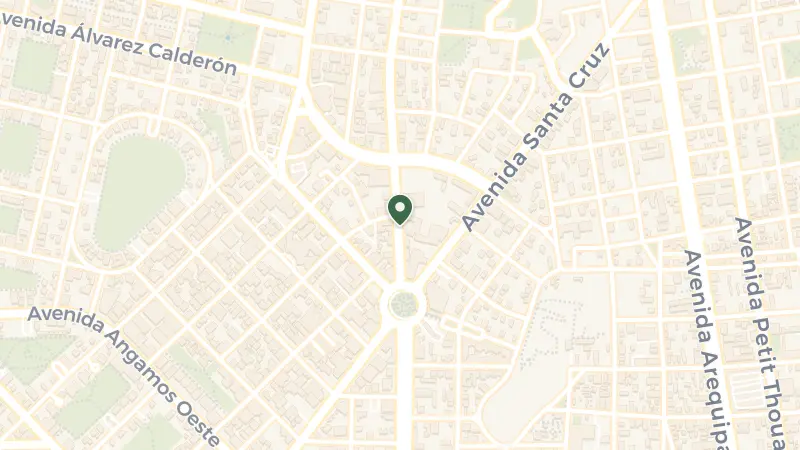
San Isidro is Lima's polished financial heart, where glass-fronted banking towers rise above leafy residential streets and the occasional pre-Columbian huaca peeks through the urban grid. The district hums with a different energy than the colonial centre: quieter, more deliberate, marked by the swish of well-tended gardens and the low thrum of business conducted over long lunches. This is where Lima's upper crust settled when they left the centro histórico behind, bringing their golf clubs and their art collections with them.
The neighbourhood's western edge brushes the Pacific, though most of San Isidro turns inward toward parks and private clubs rather than oceanfront drama. Within walking distance, the Mercado de Productores de San Isidro spreads its stalls of purple corn and lucuma fruit, while the Municipal Market Miraflores offers a grittier, more comprehensive market experience just beyond. Lima Golf Club's fairways stretch across the district's southern flank, a green counterpoint to the concrete and commerce.
Jorge Chávez International Airport lies thirteen kilometres northwest, a quick taxi ride through coastal suburbs that shift from industrial Callao to the manicured calm of San Isidro. The city itself unfolds along the desert coast, built atop river valleys that once sustained civilizations now marked by archaeological sites like Pachacámac and Cajamarquilla.
San Isidro's dining scene skews contemporary Peruvian rather than Michelin-starred, though serious cooking happens here. The district's markets provide the raw material: corvina hauled in from the Pesca Terminal, Andean potatoes in a dozen varieties, ají peppers that range from mild to face-melting. For deeper cultural context, the Historic Centre of Lima unfolds seven kilometres east, where the Cathedral of Lima has stood since 1535 and the Museo de la Inquisición explores darker colonial histories. The National Museum of Archaeology, Anthropology, and History of Peru holds Peru's most comprehensive pre-Columbian collection, tracing cultures from Chavín stone carvings to Inca textiles.
Closer to hand, archaeological site Huaca Huallamarca rises improbably from a residential street, a clay pyramid that predates the Inca by centuries. Book a morning visit before the coastal haze burns off. Playa 3 Picos offers surf-watching and ceviche shacks less than two kilometres west, while serious golfers will appreciate Lima Golf Club's walkable proximity. The Gold Museum of Peru glitters with pre-Columbian metalwork, though its claims have drawn scholarly scrutiny over the years.
Lima exists in perpetual greyness from May through November, when the garúa blankets the coast in mist without ever quite raining. Temperatures hover in the mid-teens to low twenties, cool enough for a light jacket most evenings. The sun breaks through in December and doesn't truly retreat until April, though even summer days rarely crack thirty degrees.
Winter's fog softens the city's edges, muting the colonial pastels and turning the Pacific a sullen grey. Locals bundle into scarves despite temperatures that would pass for spring elsewhere. Summer transforms the mood: beaches fill, terrace tables stay occupied past dark, and the light turns sharp and coastal.
The shoulder months of April and November bring unpredictability, days when the garúa lifts by noon or lingers stubbornly until evening. Pack layers regardless of season; Lima's microclimate shifts between neighbourhoods, and the ocean breeze cuts through even summer warmth.
Frequently Asked Questions

Quotes are personally reviewed by Natasha Hardy, founder of The Uncommon Traveller
5.0 rating · 8 Google reviewsThere is no fee or markup. The hotel pays our commission.
Request a Quote