Palacio Nazarenas, A Belmond Hotel, Cusco
When you book Palacio Nazarenas, A Belmond Hotel, Cusco in Peru, through our Virtuoso partnership, your stay includes daily full breakfast for up to two guests. You also receive a room upgrade, early check-in and late check-out when available. No premium credit card or membership needed: request a quote and our advisor books it at the same rate as booking direct.
Exclusive Booking Perks
These perks are included with your stay at the same rate as booking direct with the hotel.
- Upgrade on arrival, subject to availability
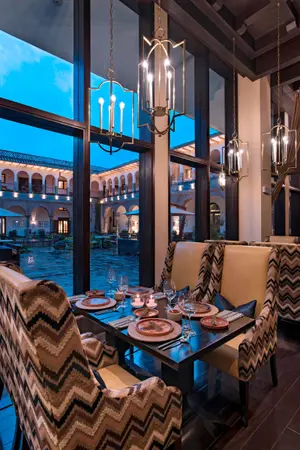
- Daily Full breakfast for up to two guests per bedroom, served in the restaurant
- Complimentary 50 minute massage for up to two people, per room, once during stay
- Early Check-In / Late Check-Out, subject to availability
Guest feedback
9.9/10 from 157 guest reviews
Read what guests commentedBy category
Guests liked
- Exceptional service
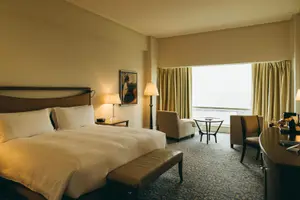
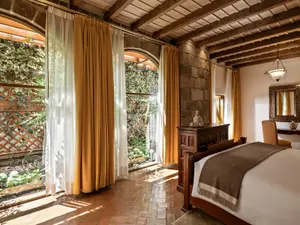
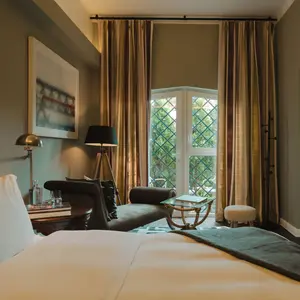
- Luxurious accommodations
Points to consider
- Minor issues with noise
- Breakfast variety could improve
Location
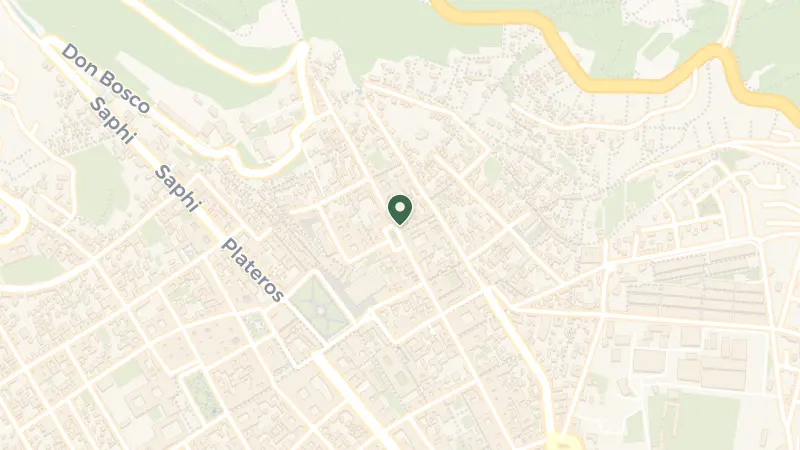
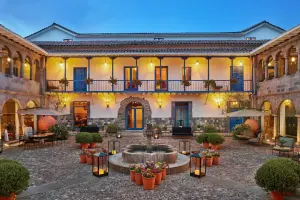
Belmond's portfolio is defined by its settings, and few command the cultural weight of Cusco. At 3,400 metres in the Peruvian Andes, the city unfolds as a living palimpsest: Inca stonework forms the foundations of Spanish colonial arcades, and the air carries the scent of eucalyptus and roasting corn from street vendors. The property stands within the San Blas quarter, a maze of cobbled lanes where artisan workshops cluster beneath whitewashed walls and blue-painted doorways. This was the administrative and spiritual heart of the Inca Empire, a UNESCO World Heritage Site where Pachacutec's vision of urban complexity still shapes the rhythm of daily life.
Walk five minutes in any direction and you encounter the layered history: Qorikancha, the Temple of the Sun, its massive andesite blocks fitted without mortar, now supporting the Convent of Santo Domingo. The Plaza de Armas lies a short stroll west, its twin cathedrals framing a square where processions and protests have unfolded for five centuries. Above the city, the fortress of Sacsayhuamán commands views across terracotta rooftops to the surrounding peaks.
Alejandro Velasco Astete International Airport sits five kilometres southeast. Taxis navigate the narrow colonial streets in fifteen minutes, though the altitude announces itself immediately: the thin air slows every breath, every step.
The San Blas neighbourhood rewards slow exploration. Mercado de San Blas, four hundred metres from the property, hums with vendors selling rocoto peppers, purple corn, and bundles of huacatay herb. Larger and more sprawling, San Pedro Market lies less than a kilometre south, its stalls piled with chirimoyas, fresh cheese, and sacks of quinoa in every shade from ivory to crimson. Book a cooking class to learn how these ingredients transform into ají de gallina or cuy chactado, the crispy guinea pig that defines highland cuisine.
Sacsayhuamán, the ceremonial complex one kilometre north, offers a masterclass in Inca engineering: limestone blocks weighing two hundred tonnes locked together in zigzag ramparts. From here, the city spreads below in a grid Pachacutec himself would recognise. For a deeper dive into textile traditions, visit the Centro de Textiles Tradicionales del Cusco in San Blas, where weavers demonstrate backstrap loom techniques unchanged since pre-Columbian times. Machu Picchu, seventy kilometres northwest, remains the ultimate pilgrimage, whether approached by train through the Urubamba Valley or on foot via the Inca Trail.
Cusco's dry season, May through September, brings crystalline skies and nights cold enough to see your breath in cobbled alleyways. Days hover around fifteen degrees, ideal for exploring ruins without the mud and crowds of summer. The sun at this altitude is unforgiving, even in winter.
October through April ushers in the rains, heaviest from December to March when afternoon thunderstorms drench the terracotta rooftops and turn unpaved paths into rivers of red clay. The landscape greens, wildflowers carpet the hillsides, and market stalls overflow with fresh produce. Mornings often start clear before clouds gather after lunch.
June and July are peak season, when Inti Raymi, the Festival of the Sun, draws thousands to Sacsayhuamán's ramparts. The pageantry is spectacular, but book well ahead. For fewer tourists and still-clear skies, aim for May or September.
Frequently Asked Questions

Quotes are personally reviewed by Natasha Hardy, founder of The Uncommon Traveller
5.0 rating · 8 Google reviewsThere is no fee or markup. The hotel pays our commission.
Request a Quote