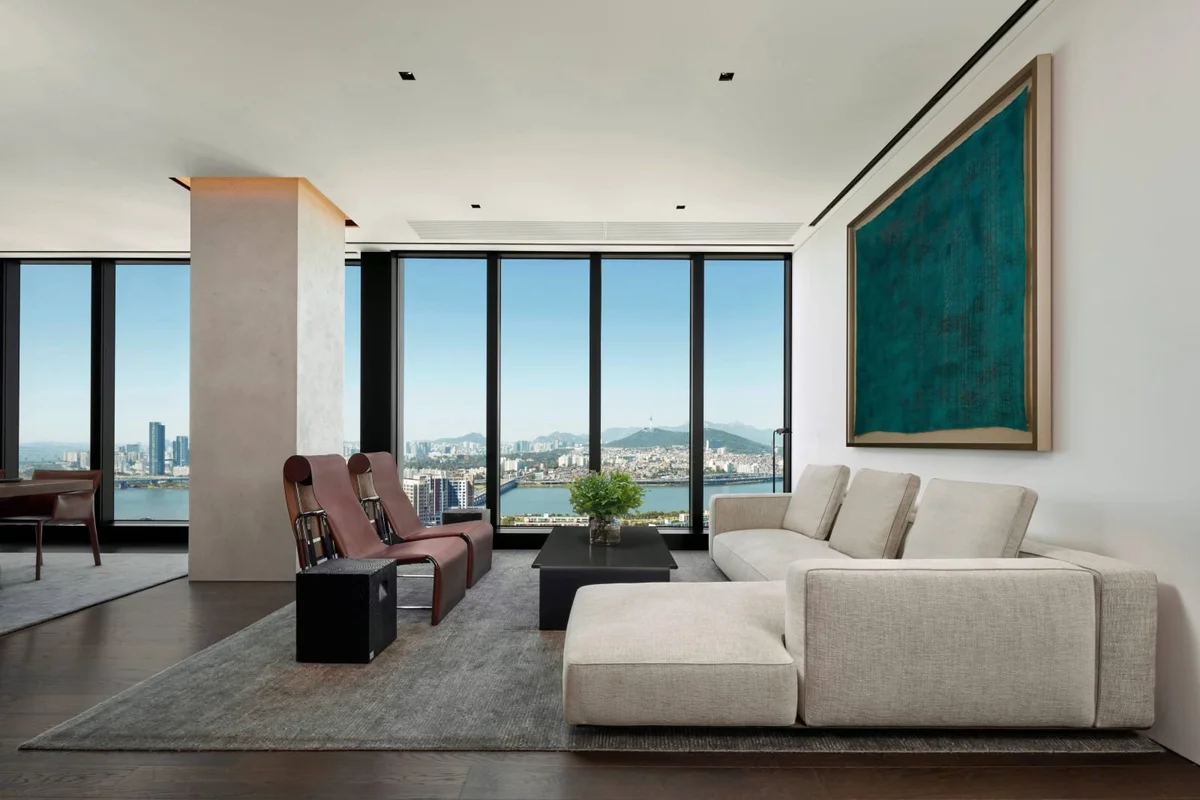
JW Marriott Hotel Seoul
When you book JW Marriott Hotel Seoul in South Korea through our Marriott Luminous partnership, your stay includes daily breakfast for two and a welcome amenity. You also receive a room upgrade, early check-in and late check-out when available. No premium credit card or membership needed: request a quote and our advisor books it at the same rate as booking direct.
Exclusive Booking Perks
These perks are included with your stay at the same rate as booking direct with the hotel.
- Welcome amenity
- Complimentary breakfast daily for two guests per room
- Early check-in and late check-out (when available)
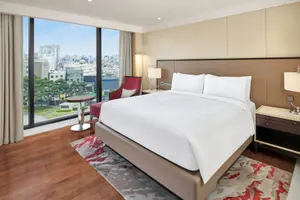
- Complimentary upgrade (if available at check-in)
Location
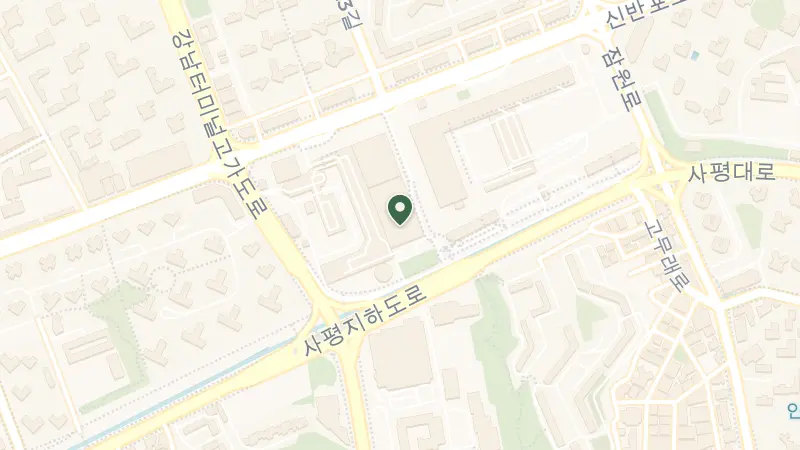
The property stands in Banpo, a district where the Han River curves wide and low-rise buildings give way to sudden green escarpments and neighbourhood markets that have outlasted decades of Seoul's relentless reinvention. This is not the glassed-in verticality of Gangnam proper, but a quieter stretch south of the river where residential rhythms and commercial ambition coexist. The streets here smell of roasting sesame oil and grilled mackerel in the evening, and the wider avenues hum with the efficient bustle of a city that rebuilt itself in half a century and has no intention of slowing down.
Seoul itself is a capital of contrasts: royal palaces and Confucian shrines abut neon-lit corridors of barbecue restaurants, while temple bells chime above subway stations that run like clockwork beneath the city. Jongmyo Shrine and Changdeokgung Palace Complex, both UNESCO-listed, lie eight kilometres north, preserving the architectural and spiritual legacy of the Joseon dynasty. Dragon Falls and Yongbongjeong Neighborhood park offer surprising pockets of green within easy reach.
Gimpo International Airport sits twenty kilometres northwest, a swift link for domestic and regional flights, while Incheon International Airport, forty-nine kilometres west, handles long-haul arrivals with efficient rail connections into the city.
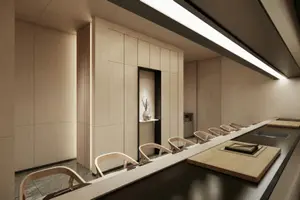
Banpo's dining landscape rewards the curious. Start with Soigné, two kilometres away, where chef Jun Lee's tasting menu marries Korean sensibilities with contemporary technique in a spare, focused setting that lets ingredients speak for themselves. alla prima, at a similar distance, preserves natural flavour while threading herbs and vegetables through each course with a quiet, aromatic confidence. For a more ambitious pilgrimage, book a table at Mingles, four kilometres south, where three Michelin stars and warm minimalist interiors frame Kang Mingoo's Korean-inflected tasting menus. On-property dining offers convenience without compromising on quality, though the Michelin trail nearby is reason enough to venture out.
The neighbourhood's traditional markets hold their own appeal. Inheon Marketplace, under five kilometres away, and Jungang Market a short walk beyond, sprawl with produce stalls, street snacks, and the kind of unhurried haggling that defines Seoul's older commercial quarters. Changdeokgung Palace Complex, eight kilometres north, deserves a morning for its Secret Garden alone, where pavilions and lotus ponds articulate Joseon-era court aesthetics with uncommon elegance. Don't miss the palace's twice-monthly moonlit tours if your dates align.
Winter in Seoul is uncompromising: January and February bring daytime highs barely above freezing and nights well below, the air sharp enough to sting exposed skin. The city empties into indoor markets and heated cafés, and snow dusts the palaces with rare photogenic hush.
Spring arrives abruptly in late March, cherry blossoms erupting along the Han River paths by mid-April as temperatures climb into the mid-teens. This is Seoul's most celebrated season, though rain picks up by May. Summer is monsoon territory, July drenching the city with heavy downpours and thick humidity that settles over the streets like a warm towel.
Autumn, from late September through October, rivals spring for clarity and comfort. The light turns golden, the air cools to the high teens, and the city's mountainous fringes blaze with maple reds and ginkgo yellows. November crisps toward winter again, but those few weeks in October are Seoul at its most walkable and forgiving.
Frequently Asked Questions

Quotes are personally reviewed by Natasha Hardy, founder of The Uncommon Traveller
5.0 rating · 8 Google reviewsThere is no fee or markup. The hotel pays our commission.
Request a Quote 51 Bib Gourmand