BanyanTree Club & Spa Seoul
When you book BanyanTree Club & Spa Seoul in South Korea through our Accor Hera partnership, your stay includes daily breakfast for two and a $100 USD hotel credit. You also receive a room upgrade, early check-in and late check-out when available. No premium credit card or membership needed: request a quote and our advisor books it at the same rate as booking direct.
Exclusive Booking Perks
These perks are included with your stay at the same rate as booking direct with the hotel.
- Daily complimentary breakfast for 2, per room
- $100 USD credit to be spent on property (conditions defined at check-in)
- Early check-in & late check-out (upon availability)
- Upgrade at time of check-in (upon availability)
Location
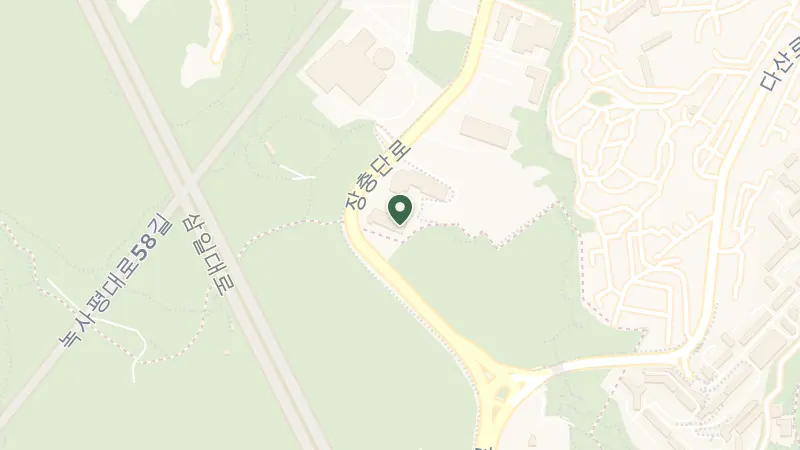
Banyan Tree occupies a particular niche in the luxury landscape, favouring intimate, culturally rooted properties where wellness and privacy take centre stage. The Seoul outpost embodies this philosophy, offering a sanctuary removed from the relentless energy of the capital while remaining within reach of its essential landmarks. Hannam-dong and Jangchung-dong occupy the middle ground between old Seoul and new, where quiet residential streets rise towards Namsan, the forested peak that anchors the city's southern wards. The neighbourhood carries a residential hush punctuated by the occasional cafe or gallery, a marked contrast to the neon sprawl of Gangnam or the palace-filled bustle of Jongno to the north.
Jangchung-dong itself sits at the edge of Jung District, historically significant as the site where royal processions once passed en route to the shrines beyond the city walls. Today it offers proximity to some of Seoul's most important Joseon-era monuments without the crowds that accumulate around Gyeongbokgung. La Yeon, perched on the 23rd floor of The Shilla Hotel less than a kilometre away, provides a useful orientation point, its elevated position marking the boundary between central and southern Seoul. Both Gimpo International Airport, 19 kilometres northwest, and Incheon International Airport, 49 kilometres west, connect to the city via express rail and motorway links, the latter offering a more frequent international gateway.
Seoul's contemporary dining scene reaches its apex in the Michelin-starred restaurants scattered across the southern wards. Mingles, a three-star establishment 4.7 kilometres south, reinterprets Korean ingredients through a global lens, its minimalist dining room hung with contemporary art and overlooking green courtyard views. Closer at hand, La Yeon offers two-star Korean cuisine with panoramic city vistas, while Mosu, 1.1 kilometres away, delivers precision and imagination through modern European techniques applied to Korean produce. Book a table at Mosu if your interest lies in the unexpected, textures and flavours composed with surgical clarity. Within walking distance, the neighbourhood's residential character means dining options trend towards intimate izakayas and small Korean grills rather than grand statements.
The Confucian royal shrines of Jongmyo, three kilometres north, remain the most authentic remnant of Joseon ceremonial life, their wooden halls and surrounding courtyards preserved since 1395. Changdeokgung Palace Complex, also three kilometres distant, offers a more complete picture of dynastic architecture, its secret garden revealing centuries of palace life. Jungbu Market, 1.7 kilometres west, trades in everyday produce and banchan ingredients, a grounded contrast to the rarefied air of the palaces. For those willing to venture southeast, Namhansanseong fortress, 18 kilometres out, presents mountain walls built by monk-soldiers as an emergency capital during the Joseon period.
January and February bring sharp cold, temperatures dropping well below freezing at night, the air dry and brittle. Snow falls intermittently, dusting the tiled roofs of the palaces and muffling the city's hum. Spring arrives gradually through March and April, cherry blossoms colouring the palace grounds and Namsan's slopes, the city shaking off its winter stillness. Late spring and early summer turn humid, June through August bringing monsoon rains and temperatures climbing into the high twenties, the air thick and the streets slick with reflected neon.
September and October offer the most forgiving conditions, warm days and cool nights, the ginkgo trees along the city's avenues turning gold, the light softening as autumn deepens. November cools rapidly, the streets emptying as temperatures fall, and December returns to winter's brittle clarity. Visit in early autumn for the clearest skies and the most comfortable walking weather.
Frequently Asked Questions

Quotes are personally reviewed by Natasha Hardy, founder of The Uncommon Traveller
5.0 rating · 8 Google reviewsThere is no fee or markup. The hotel pays our commission.
Request a Quote 51 Bib Gourmand