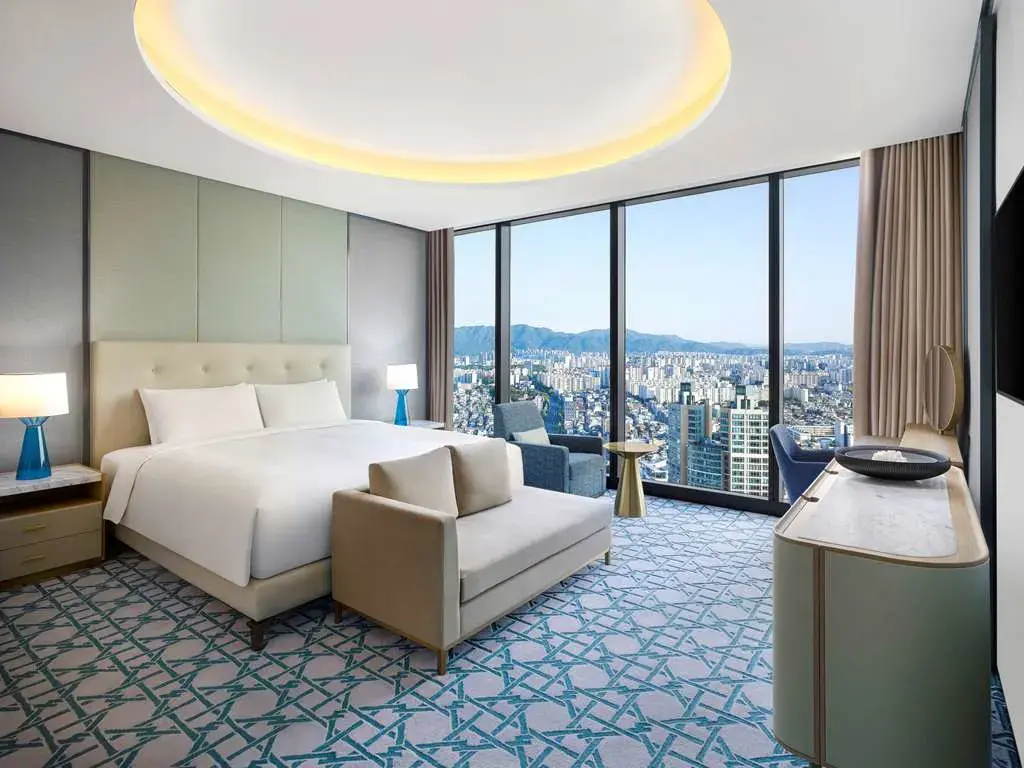
Sofitel Ambassador Seoul Hotel & Serviced Residences
When you book Sofitel Ambassador Seoul Hotel & Serviced Residences in South Korea through our Accor Hera partnership, your stay includes daily breakfast for two and a $100 USD hotel credit. You also receive a room upgrade when available. You continue earning ALL Accor points and elite night credits. No premium credit card or membership needed: request a quote and our advisor books it at the same rate as booking direct.
Exclusive Booking Perks
These perks are included with your stay at the same rate as booking direct with the hotel.
- Daily complimentary breakfast for 2, per room
- $100 USD credit to be spent on property (conditions defined at check-in)
- Early check-in & late check-out (upon availability)
- Upgrade at time of check-in (upon availability)
Guest feedback
9.3/10 from 1,246 guest reviews
Read what guests commentedBy category
Guests liked
- Friendly staff
- Great location
- Luxurious rooms
Points to consider
- Limited food delivery options
- Communication issues during events
Location
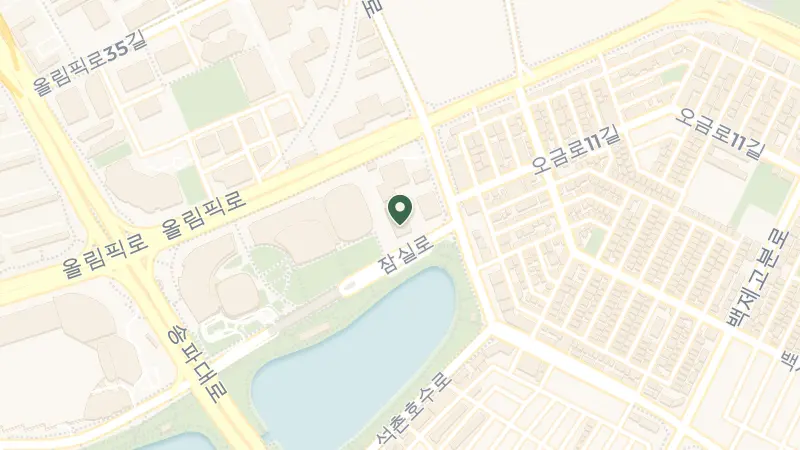
Sofitel properties pair French refinement with the cultural identity of their host cities, and in Seoul this means a dialogue between Parisian sensibility and the kinetic energy of one of Asia's most design-conscious capitals. The hotel stands in Songpa District, on the southern bank of the Han River, a neighbourhood that straddles the old and the relentlessly new. Here, the glass towers of modern Seoul rise beside traces of Joseon-era history, and the streets hum with the particular rhythm of a city that never quite stops moving.
Sincheon-dong itself is a practical, residential quarter, anchored by Jamsillaru Station on Line 2, which threads west toward the central districts of Gangnam and Jongno. The nearby Lotte World Tower, the fifth tallest building on earth, dominates the skyline; its observatory offers vertiginous views across the sprawl of metropolitan Seoul. Just south, the forested hills of Namhansanseong, a UNESCO-listed mountain fortress once designed as an emergency Joseon capital, provide a quieter counterpoint to the urban intensity below.
The closest international gateway is Gimpo, twenty-eight kilometres northwest, which handles domestic and short-haul regional flights. Incheon, fifty-eight kilometres west, serves as the main intercontinental hub, connected by express rail and highway.
The property's immediate surroundings lean residential, but Seoul's subway system compresses distance: the Michelin circuit lies clustered in Gangnam and Itaewon, five to six kilometres west. Book a table at Mingles, the city's only three-starred restaurant, where chef Mingoo Kang layers Korean tradition with modern technique in a dining room framed by green views. Mitou, a two-starred Japanese kaiseki spot helmed by Young-woon Kwon and Bo-mi Kim, sources eggs, rice, and vegetables from the chef's family farm. Kwonsooksoo, another two-starred address, works within a minimalist frame to coax delicate clarity from seasonal Korean ingredients. Closer in, Sae Village Market, under two kilometres north, offers a ground-level view of daily Seoul: banchan vendors, fishmongers, and the scent of doenjang and sesame oil.
Twelve kilometres northwest, the Changdeokgung Palace Complex and Jongmyo Shrine, both UNESCO sites, anchor the historical core of the Joseon dynasty. The palace's Huwon garden, a study in asymmetry and restraint, feels worlds away from the neon corridors of Gangnam. Start with Jongmyo on a quiet morning; the Confucian ritual music performed here during Jongmyo Daeje in May is otherworldly.
Winter arrives sharp and brittle, with January temperatures dipping well below freezing and a dry, metallic light that makes the city's concrete edges feel even harder. The streets empty early; heated ondol floors and indoor markets become refuges. Spring is brief but luminous, cherry blossoms appearing in late March and lasting only weeks before the humid weight of summer descends.
July and August are sweltering, the air thick and monsoon-fed, punctuated by sudden downpours that send crowds into subway stations. Autumn is the city's finest season: September through October brings crisp, clear days, the ginkgo trees lining Gangnam's boulevards turning gold, the air finally breathable again.
December hovers just above and below freezing, the city strung with lights but rarely snowy. Visit in October for the best balance of weather and atmosphere, or brave late April when azaleas bloom across the palace gardens.
Frequently Asked Questions

Quotes are personally reviewed by Natasha Hardy, founder of The Uncommon Traveller
5.0 rating · 8 Google reviewsThere is no fee or markup. The hotel pays our commission.
Request a Quote 51 Bib Gourmand