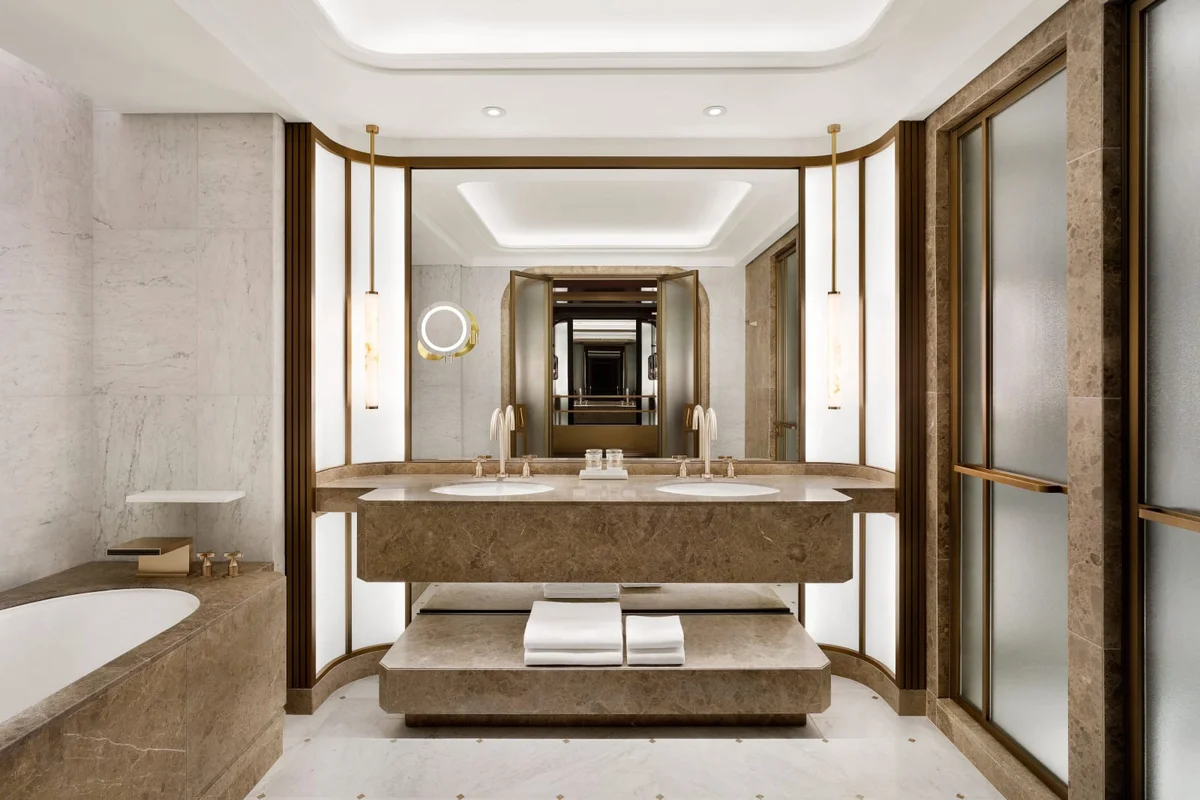
Josun Palace
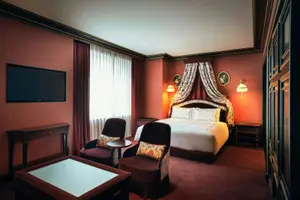
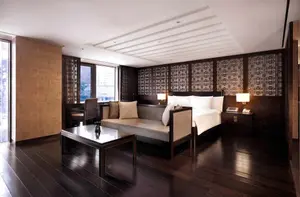
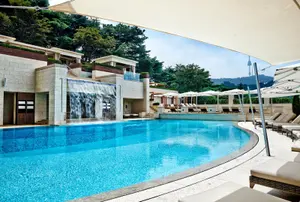
When you book Josun Palace in Seoul, South Korea, through our Marriott STARS partnership, your stay includes daily breakfast for two and a $100 USD hotel credit once per stay. You also receive a room upgrade, early check-in and late check-out when available. No premium credit card or membership needed: request a quote and our advisor books it at the same rate as booking direct.
Exclusive Booking Perks
These perks are included with your stay at the same rate as booking direct with the hotel.
- Personalized and customized amenity
- Complimentary breakfast daily for two guests per room
- All STARS hotels offer a hotel credit valued at $100 USD (once per stay)
- Early check-in and late check-out (when available)
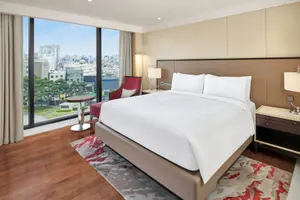
- Complimentary upgrade (if available at check-in)
Location
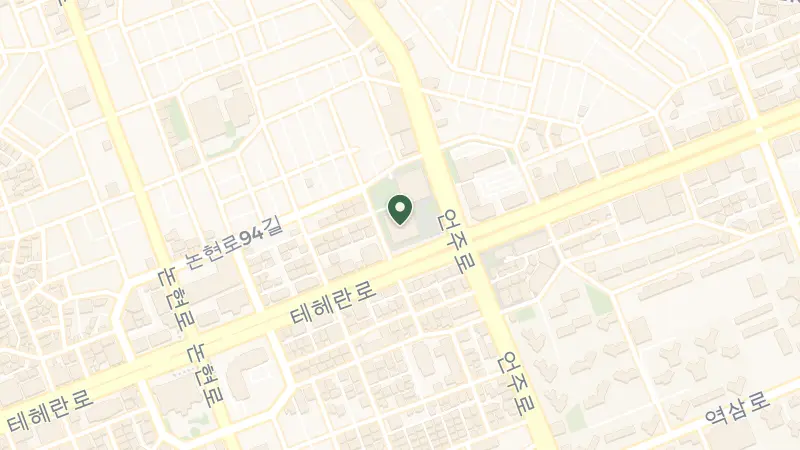
Josun Palace anchors itself in Yeoksam, part of Seoul's gleaming Gangnam district, where glass towers and international headquarters line wide boulevards. This is the commercial heart that powered South Korea's economic rise, a neighbourhood of polished corporate energy by day that softens into izakaya-lit side streets and temple-food restaurants after dark. The area hums with aspiration rather than nostalgia, yet pockets of older Seoul persist: traditional markets tucked between office blocks, Buddhist temples rising incongruously beside expressway ramps.
Gangnam's reputation as a business district obscures its quiet conveniences for travellers. Yeoksam-dong sits three kilometres south of the Han River, whose parkland paths draw evening joggers and weekend cyclists. Further north, Jongmyo Shrine (nine kilometres) and the wooded grounds of Changdeokgung Palace (ten kilometres) preserve Joseon-dynasty formality amid the capital's sprawl. The neighbourhood itself offers little by way of monuments, but its proximity to both modern Seoul and its historic core makes it a practical launching point.
Gimpo International Airport lies twenty-three kilometres northwest, reachable in under an hour by subway or taxi depending on traffic. Incheon International Airport, fifty-two kilometres west, serves long-haul arrivals via direct rail connections into the city centre.
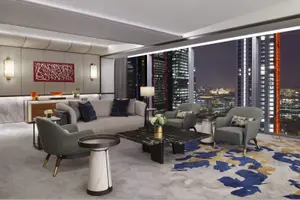
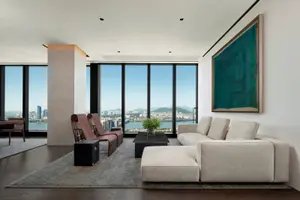
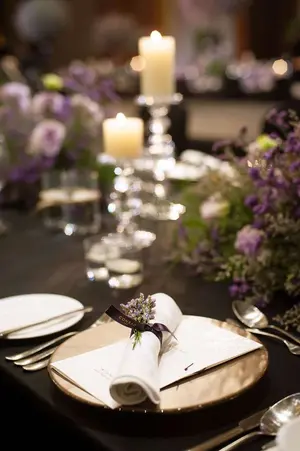
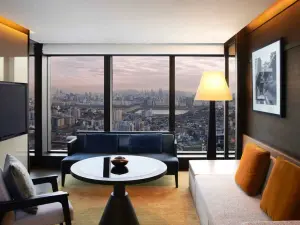
Eatanic Garden commands the thirty-sixth floor, its windows framing the city's sharp-edged skyline and the Han River's silver thread below. Book a window table for two at sunset, when Seoul's lights ignite across the darkening valley. The kitchen interprets Korean ingredients through a contemporary lens: seasonal vegetables elevated to the centrepiece, native grains, mountain herbs. The name suits the place. Three Michelin stars glow just two and a half kilometres north at Mingles, where Chef Mingoo Kang layers Korean tradition with global technique in a dining room warmed by natural tones and curated artworks. Restaurant Allen, barely a minute's walk away, earned two stars for Chef Hyun-min Suh's French-inflected contemporary plates served on carefully chosen ceramics.
Step further into Seoul's cultural bedrock. Jongmyo Shrine, nine kilometres north, preserves Confucian ritual architecture from the Joseon dynasty, its austere wooden halls and stone courtyards unchanged since the fifteenth century. Changdeokgung Palace, ten kilometres distant, unfolds as a series of pavilions tucked into wooded hillsides, its Secret Garden a masterwork of landscape design. For market atmosphere, head to Garak Agricultural and Marine Products Market, six kilometres southeast, where vendors auction seafood at dawn and ajummas hawk mountains of kimchi cabbage. Don't miss the intensity of fermented anchovy sauce and dried chilli perfuming the air.
Winter arrives brittle and bright, with January lows plunging below minus seven Celsius and dry air that makes the cold feel sharper. Streets empty early; this is hot-pot season, when steam rises from basement restaurants and palace courtyards stand silent under pale sun.
Spring softens the city between late March and May, cherry blossoms briefly whitening the Han River paths before monsoon humidity builds. April and May bring temperate afternoons ideal for palace visits, though showers increase toward June.
Summer monsoons drench Seoul from late June through August, with July receiving nearly three hundred millimetres of rain and temperatures climbing past twenty-eight degrees. The city slows under the weight of humid air. September cools into the year's most comfortable stretch: clear skies, daytime highs around twenty-six degrees, and foliage beginning to shift colour across the northern hills. October extends this clarity before winter's sudden return in November.
Frequently Asked Questions

Quotes are personally reviewed by Natasha Hardy, founder of The Uncommon Traveller
5.0 rating · 8 Google reviewsThere is no fee or markup. The hotel pays our commission.
Request a Quote 51 Bib Gourmand