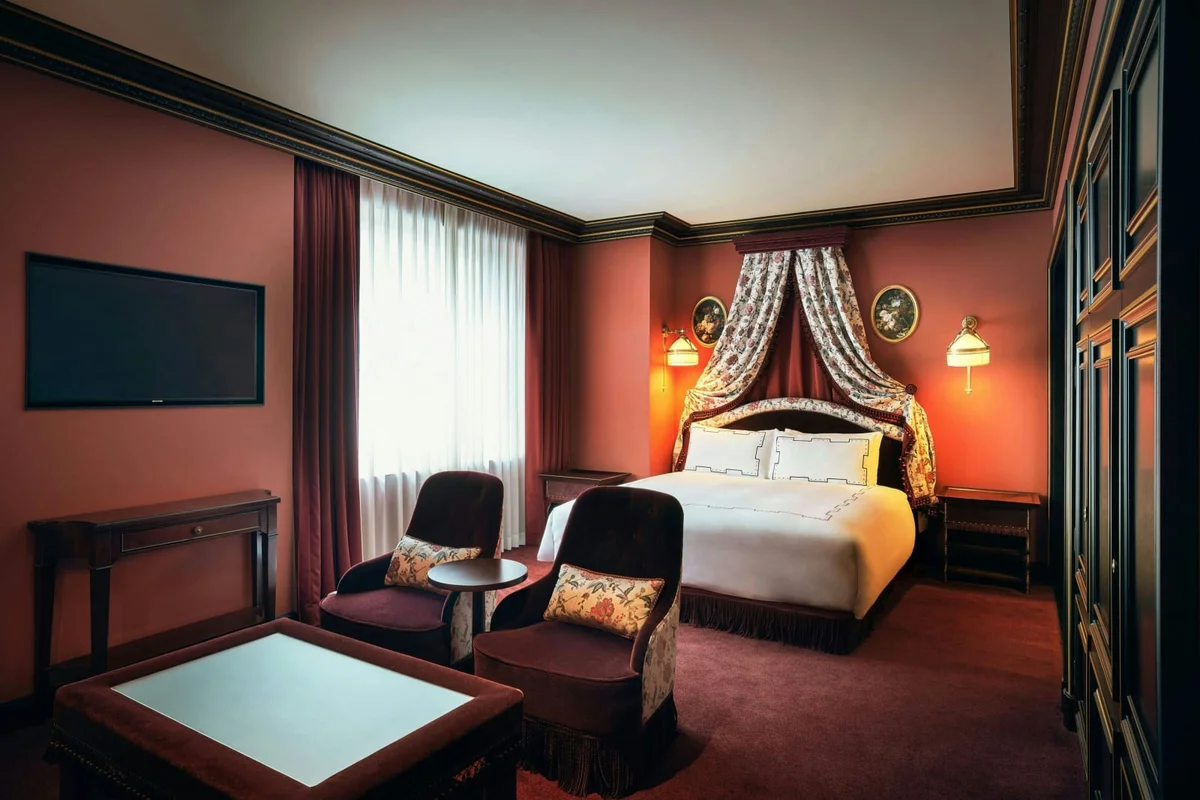
L'Escape
When you book L'Escape in Seoul, South Korea, through our Marriott STARS partnership, your stay includes daily breakfast for two and a $100 USD hotel credit once per stay. You also receive a room upgrade, early check-in and late check-out when available. No premium credit card or membership needed: request a quote and our advisor books it at the same rate as booking direct.
Exclusive Booking Perks
These perks are included with your stay at the same rate as booking direct with the hotel.
- Personalized and customized amenity
- Complimentary breakfast daily for two guests per room
- All STARS hotels offer a hotel credit valued at $100 USD (once per stay)
- Early check-in and late check-out (when available)
- Complimentary upgrade (if available at check-in)
Location
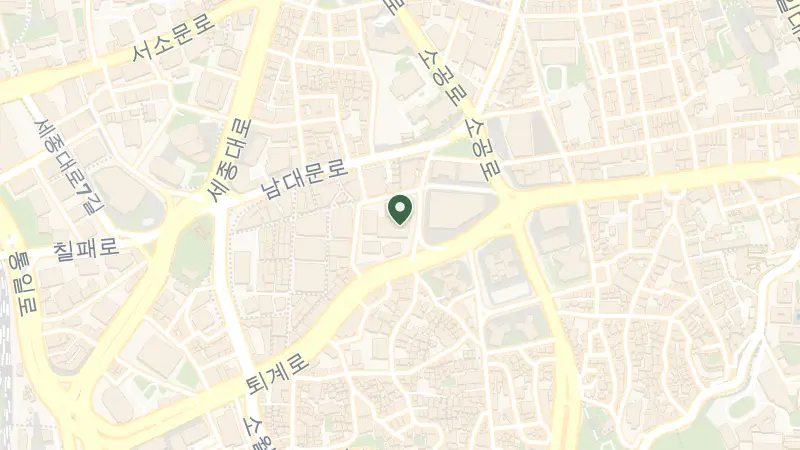
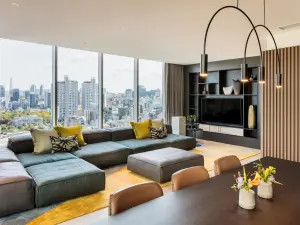
Seoul reveals itself in layers, a city where glass towers rise alongside palace walls and traditional hanok houses open into silent courtyards. Hoehyeon-dong sits at the heart of this layering, where the Jung District's commercial pulse meets centuries of history. The neighbourhood hums with the energy of one of Asia's most dynamic capitals, a place that turned wartime devastation into startling modernity without abandoning its cultural moorings.
Step outside and Namdaemun Market unfolds just two hundred metres away, the oldest continuously operating market in the country. Vendors hawk everything from hand-embroidered silk to street tteokbokki under tin roofs that have sheltered commerce since 1414. The city's two great Joseon-era palace complexes, Changdeokgung and Jongmyo Shrine, both UNESCO sites, stand two kilometres north, their painted eaves and gravel courtyards preserving Confucian court rituals that shaped the peninsula for five centuries.
The property sits forty-eight kilometres from Incheon International Airport, connected by express train and motorway. Gimpo, the domestic hub seventeen kilometres west, serves travellers moving between Korean cities.
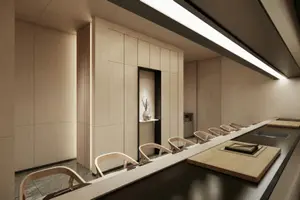
L'Amant Secret occupies the twenty-sixth floor, where chef brings Parisian technique to Korean ingredients in an intimate space that warrants its Michelin star. The tasting menus shift with the seasons, and the views stretch across the cityscape toward distant mountains. Just two kilometres away, Sosuheon operates from a traditional hanok house, where Chef Kyung-jae Park serves edomae-style sushi with the quiet precision of a tea master. Eight seats at the counter, two Michelin stars, and Seoul's contemporary skyline visible through latticed windows. Book a table at Mingles, six kilometres south, where three stars reward chef Mingoo Kang's marriage of Korean temple cuisine and French technique.
Jongmyo Shrine, two kilometres north, remains the most authentic Confucian royal shrine in existence, its long wooden halls housing the spirit tablets of Joseon kings. Changdeokgung Palace Complex sits beside it, a fifteenth-century masterwork with a secret garden that opens to visitors by timed entry. Namdaemun Market spreads its labyrinth of stalls and alleyways practically at the property's doorstep, best visited early when ajummas arrange morning produce and the smell of bindaetteok frying fills the air.
Winter arrives sharp and dry, the Han River freezing by January when temperatures drop to minus seven. The sky turns crystalline blue between cold snaps, perfect light for walking palace grounds dusted with snow. Spring shakes off the chill by late March, cherry blossoms unfurling along city streets as temperatures climb into the teens.
Summer belongs to the monsoon. July brings heavy rains and heat that pushes past thirty degrees, the air thick with humidity. The city retreats indoors to air-conditioned galleries and subterranean shopping arcades. September offers the year's finest weather, warm days cooling to comfortable evenings, humidity dropping as typhoon season fades.
Autumn paints the mountains surrounding Seoul in rust and gold, October temperatures hovering around twenty degrees. The city celebrates with street festivals and night markets, the air crisp enough for long walks through ginkgo-lined neighbourhoods before winter returns.
Frequently Asked Questions

Quotes are personally reviewed by Natasha Hardy, founder of The Uncommon Traveller
5.0 rating · 8 Google reviewsThere is no fee or markup. The hotel pays our commission.
Request a Quote 51 Bib Gourmand