JW Marriott Masai Mara Lodge
When you book JW Marriott Masai Mara Lodge in Maasai Mara, Kenya, through our Marriott Luminous partnership, your stay includes daily breakfast for two and a welcome amenity. You also receive a room upgrade, early check-in and late check-out when available. No premium credit card or membership needed: request a quote and our advisor books it at the same rate as booking direct.
Exclusive Booking Perks
These perks are included with your stay at the same rate as booking direct with the hotel.
- Welcome amenity
- Complimentary breakfast daily for two guests per room
- Early check-in and late check-out (when available)
- Complimentary upgrade (if available at check-in)
Location
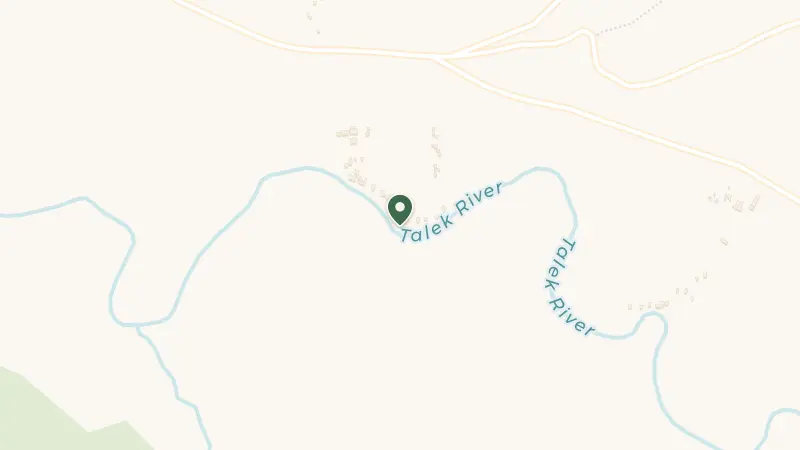
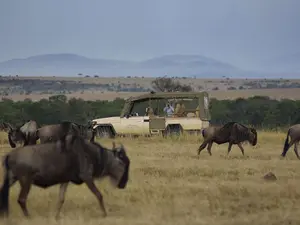
JW Marriott brings its philosophy of mindful luxury to one of Africa's most storied wildlife frontiers, where the golden grasslands of the Mara stretch to meet cloudless horizons. The property sits within the Greater Mara ecosystem, a patchwork of conservancies and ranches that buffer the national reserve itself, named for the Maasai word meaning "spotted" after the umbrella acacias that punctuate the savannah like brushstrokes on canvas. This is the stage for the Great Migration, when nearly two million wildebeest thunder across the Mara River each July in a spectacle that earned this landscape its place among the Seven Natural Wonders of Africa.
The surrounding territory remains deeply connected to the Maasai people, whose red-cloaked figures and cattle herds still move across ancestral lands. Nearby conservancies like Nashulai, seven kilometres distant, and Naboisho, eleven kilometres away, offer quieter game-viewing corridors where vehicle numbers are limited and walking safaris are possible. The rhythm here follows the animals, not the clock: dawn game drives, midday stillness under the heat, late afternoon returns as lions stir from their shade.
Most guests arrive via light aircraft to Mara Serena Lodge Airstrip, thirty kilometres away, the short flight from Nairobi revealing the vastness of the Rift Valley below. Road transfers from Nairobi, though feasible, take six hours across increasingly rough terrain.
Game drives are the gravitational centre of any Mara stay, and the lodge's proximity to multiple conservancies means exceptional wildlife encounters without the vehicle congestion of the main reserve. Early morning departures catch predators at their most active: lions returning from night hunts, leopards descending from fever trees, cheetahs scanning the grasslands from termite mounds. Guides here are Maasai trackers whose knowledge of animal behaviour turns a simple sighting into a narrative. The migration river crossings, when they occur, are unpredictable theatre, the Mara River churning with bodies and the air thick with dust and bellowing. Between drives, consider a guided walk in Nashulai Maasai Conservancy to learn the smaller dramas of the savannah: dung beetles, acacia chemistry, the medicinal plants the Maasai still use.
Cultural visits to Maasai villages offer insight into a semi-nomadic pastoral life that has adapted, but not surrendered, to modernity. Evening sundowners on kopjes, the granite outcrops that rise abruptly from the plains, frame the savannah in amber light as the horizon swallows the sun whole. Book your game drives for dawn and dusk when the animals and the light are at their most compelling.
July through October delivers the Mara's finest conditions: cool mornings that warm to the mid-twenties, virtually no rain, and the drama of the migration river crossings at their peak in July and August. The light during these months is crystalline, perfect for photography, and dust devils spiral across the plains in the afternoon heat.
November and April bookend the long and short rains respectively, when the savannah greens almost overnight and thunderheads build each afternoon. The landscape is lush and dramatic, but morning game drives can be muddy affairs. January and February bring hot, dry weather with excellent visibility and concentrated wildlife around remaining water sources.
December's rains can linger, but by late month the skies clear and the wildebeest herds have returned from Tanzania, calving season beginning in earnest on the Serengeti's southern plains.
Frequently Asked Questions

Quotes are personally reviewed by Natasha Hardy, founder of The Uncommon Traveller
5.0 rating · 8 Google reviewsThere is no fee or markup. The hotel pays our commission.
Request a Quote