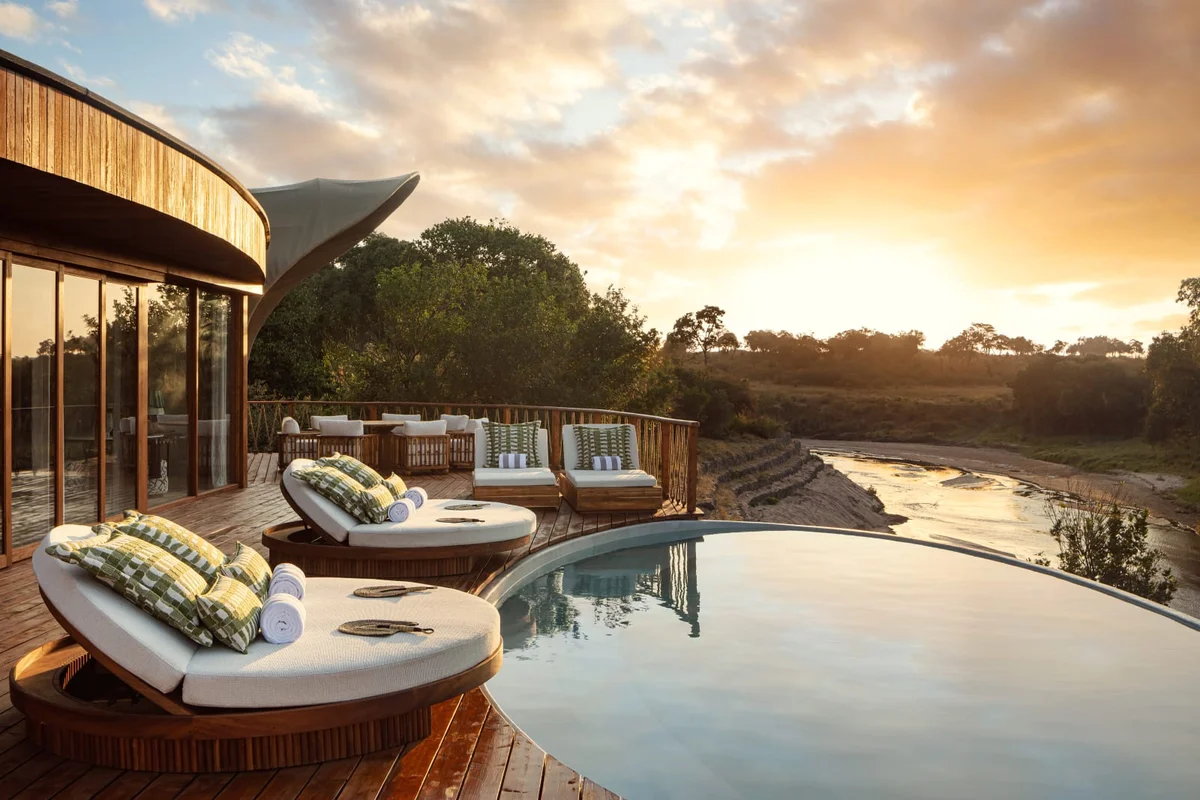
The Ritz-Carlton, Masai Mara Safari Camp
When you book The Ritz-Carlton, Masai Mara Safari Camp in Maasai Mara, Kenya, through our Marriott STARS partnership, your stay includes daily breakfast for two and a $100 USD hotel credit once per stay. You also receive a room upgrade when available. You continue earning Marriott Bonvoy points and elite night credits. No premium credit card or membership needed: request a quote and our advisor books it at the same rate as booking direct.
Exclusive Booking Perks
These perks are included with your stay at the same rate as booking direct with the hotel.
- Personalized and customized amenity
- Complimentary breakfast daily for two guests per room
- All STARS hotels offer a hotel credit valued at $100 USD (once per stay)
- Early check-in and late check-out (when available)
- Complimentary upgrade (if available at check-in)
Location
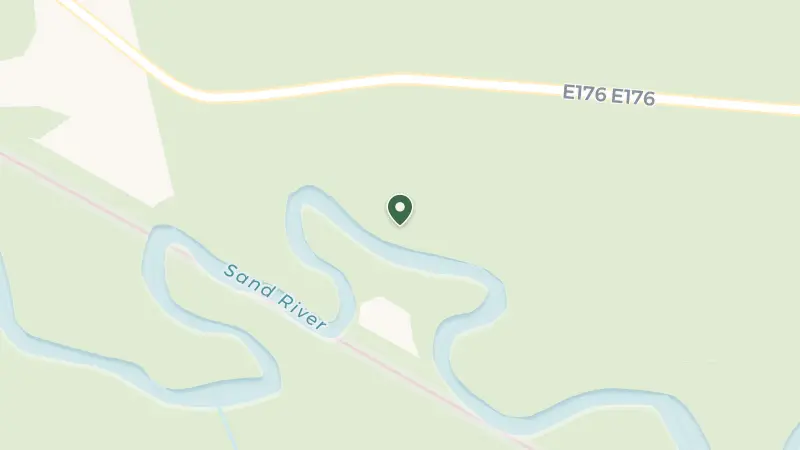
Ritz-Carlton brings its "Ladies and Gentlemen serving Ladies and Gentlemen" philosophy to one of the most storied wildlife landscapes on earth, where meticulous preference tracking meets the rhythms of the African bush. This is Maasai Mara, the 1,510-square-kilometre reserve in Narok County named for the Maasai pastoralists who have moved across these grasslands for centuries and the "spotted" appearance of whistling thorn acacias dotting the horizon. The Mara word describes exactly what you see: a vast golden savannah stippled with dark umbrella trees, bisected by the seasonal pulse of the Mara River.
The reserve forms the northern extension of Tanzania's Serengeti, creating a single ecosystem where lions doze in the shade of kopjes, leopards drape themselves over fever trees, and cheetahs scan the plains from termite mounds. Elephant herds trace ancient pathways between water sources. The landscape shifts subtly with elevation, from riverine forest along the Mara and Talek Rivers to open grassland where Thomson's gazelles flicker like brown flames across the horizon.
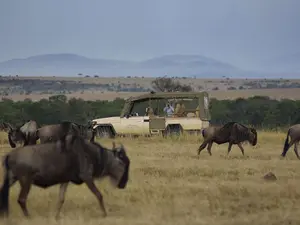
This is the stage for the Great Migration, when more than a million wildebeest and hundreds of thousands of zebra surge northward from the Serengeti, typically arriving in July though timing bends to rainfall patterns. The Mara River crossings, where crocodiles wait in the current and the far bank means survival, earned this ecosystem its place among the Seven Natural Wonders of Africa. Mara Serena Lodge Airstrip lies seventeen kilometres from the property, connecting to Nairobi's Wilson Airport.
Game drives thread through the Masai Mara National Reserve, which begins less than ten kilometres from the property, where morning light catches dust kicked up by buffalo herds and the calls of ground hornbills carry across the grass. Guides track resident prides, each with territories etched into the landscape, and the reserve's density of big cats makes sightings reliable rather than hopeful. The Mara Triangle Conservancy, twenty-one kilometres west, offers a quieter alternative with well-managed tracks and the dramatic cliffs where the escarpment drops toward Lake Victoria. Time your visit for a hot air balloon safari at dawn, when the silence breaks only for the burner's roar and you drift over herds backlit by the rising sun.
Bush dinners unfold under acacia canopies, Maasai warriors performing adumu jumping dances while the scent of grilled nyama choma drifts across lantern-lit tables. Book a walking safari with Maasai guides who read the land in hoofprints and broken grass, their knowledge of medicinal plants and predator behaviour spanning generations. The greater ecosystem includes community conservancies where tourism revenue flows directly to Maasai landowners, a model that has turned former ranchland into wildlife corridors. Don't miss sundowners at a kopje viewpoint, gin and tonic in hand as the plains turn bronze and elephants silhouette against the fading light.
January and February deliver the clearest skies, temperatures peaking near 27°C while the grass stands tall and golden after the short rains. Predators hunt in the open, visible against the tawny backdrop, and the heat breaks each afternoon into brief thunderheads that rarely deliver. March through May brings the long rains, the landscape turning emerald as wildflowers carpet the plains and migratory birds arrive in waves, though daily showers can make tracks slick and river crossings impassable.
June through October defines the high season, when the Great Migration sweeps north and daytime temperatures hover around 24 to 26°C under crystalline skies. July and August see the river crossings, wildebeest massing on the banks in anxious thousands before plunging into the current. Nights turn cool, dropping to 14°C, perfect for sitting by a campfire under the Milky Way's unobstructed sweep.
November and December close the year with the short rains, afternoon storms washing the dust from the air and leaving the bush smelling of wet earth and crushed grass. The plains green again, resident wildlife disperses across abundant water sources, and the crowds thin to a trickle. Temperatures dip slightly, the landscape softening as new calves appear among impala and topi herds.
Frequently Asked Questions

Quotes are personally reviewed by Natasha Hardy, founder of The Uncommon Traveller
5.0 rating · 8 Google reviewsThere is no fee or markup. The hotel pays our commission.
Request a Quote