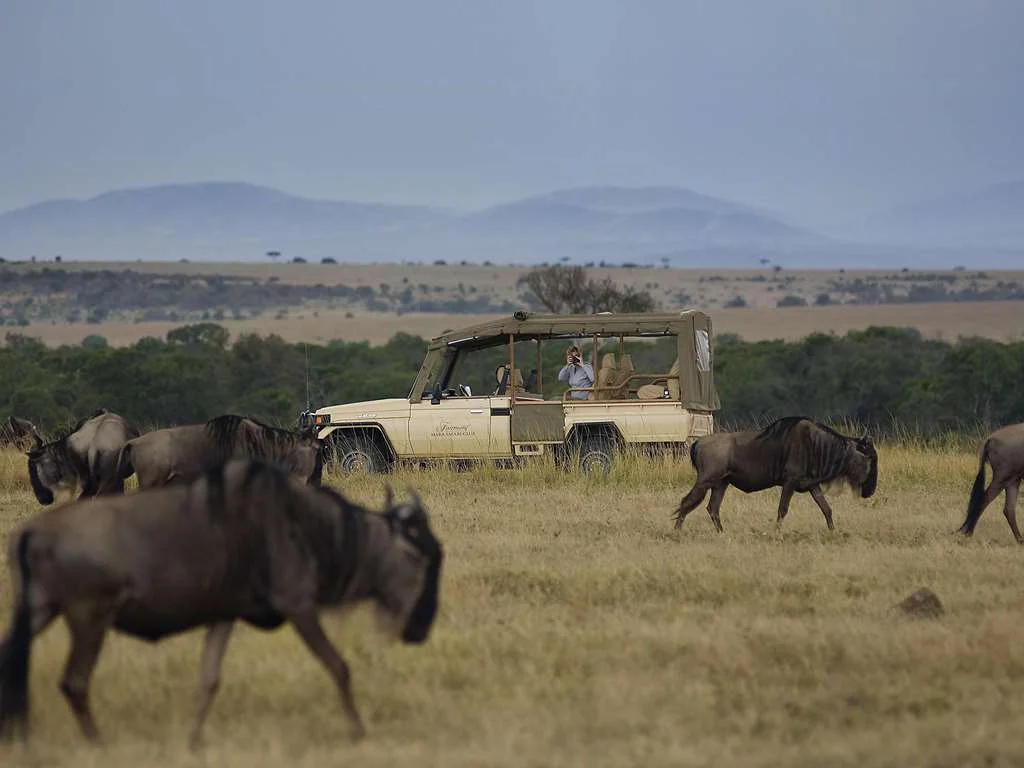
Fairmont Mara Safari Club
When you book Fairmont Mara Safari Club in Maasai Mara, Kenya, through our Accor Hera partnership, your stay includes daily breakfast for two and a $100 USD hotel credit. You also receive a room upgrade, early check-in and late check-out when available. You continue earning ALL Accor points and elite night credits. No premium credit card or membership needed: request a quote and our advisor books it at the same rate as booking direct.
Exclusive Booking Perks
These perks are included with your stay at the same rate as booking direct with the hotel.
- Daily complimentary breakfast for 2, per room
- $100 USD credit to be spent on property (conditions defined at check-in)
- Early check-in & late check-out (upon availability)
- Upgrade at time of check-in (upon availability)
Location
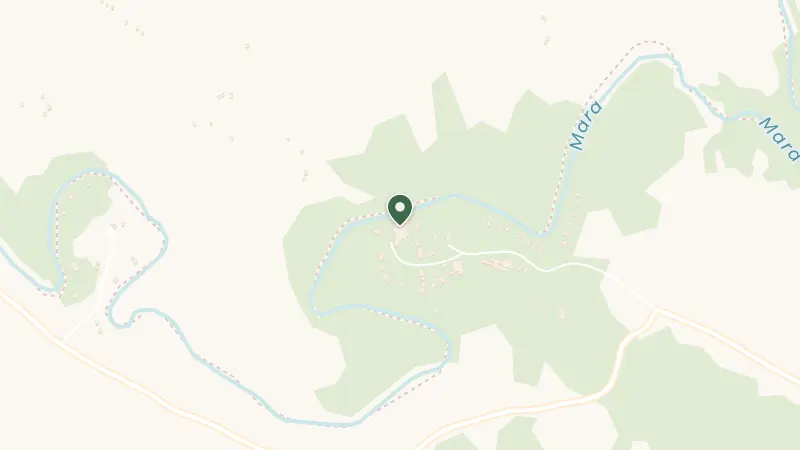
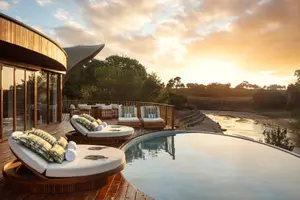
Fairmont brings its legacy of grand hospitality to one of Africa's most storied landscapes, placing the infrastructure and service calibre of an established brand within view of the Mara River and the plains beyond. The Maasai Mara takes its name from the Maasai people who have inhabited these lands for centuries and from their word for "spotted," a reference to the acacia trees that stipple the grassland like punctuation marks across an amber sentence. Established as a reserve in 1961, this ecosystem stretches across conservancies and ranches that connect Kenya's side of the wilderness to Tanzania's Serengeti in a vast, borderless theatre of wildlife.
The air here carries the scent of dust and dry grass, punctuated by the guttural calls of hippos along the riverbanks and the low rumble of distant thunder during the rains. This is lion country, leopard country, elephant country. The reserve's fame rests on the Great Migration, when millions of wildebeest surge across the Mara River each July in a spectacle of survival that earned recognition as one of the Seven Natural Wonders of Africa.
The property sits within reach of several conservancies: Ol Chorro lies under three kilometres away, Enonkishu just beyond that. Access is via light aircraft to Mara Serena Lodge Airstrip, forty-one kilometres distant, though Kisumu and Eldoret offer jet connections further afield.
Game drives depart before dawn when the light is silver and the predators are still active, tracking lion prides through the tall grass or watching cheetahs calculate their approach to grazing Thomson's gazelles. The conservancies surrounding the reserve, including Ol Chorro and Enonkishu, offer lower vehicle density and walking safaris that bring you closer to the rhythms of the bush. Guided visits to Maasai villages provide context to the pastoral culture that has coexisted with these herds for generations, though approach these with respect for the commodification inherent in such encounters.
July through October brings the Great Migration in full force, when the Mara River becomes a crossing point for hundreds of thousands of wildebeest and zebra, their passage contested by Nile crocodiles that wait in the murky currents. Book a position along the riverbanks well in advance. Between drives, the property's position within the reserve allows for uninterrupted hours watching the grassland's daily drama unfold: elephants moving in family units, hippos surfacing at dusk, the occasional leopard draped along an acacia branch.
The dry months of July and August bring the clearest skies and the Migration at its peak, with daytime temperatures in the mid-twenties and cool mornings that demand layers until the sun climbs. Dust hangs in the air, kicked up by hooves and tyres, and the grass bleaches to gold under the equatorial light.
March and April see the long rains arrive, transforming the plains into a patchwork of green and turning murram roads into challenges. November and December bring shorter, heavier downpours that clear as quickly as they gather. The landscape responds immediately: wildflowers emerge, migratory birds return, and calving season begins.
January and February offer warm, dry conditions with fewer visitors, when the resident wildlife is easier to track and the light has a softer quality. Wildlife viewing remains excellent year-round, though the spectacle of the Migration defines the high season for most travelers.
Frequently Asked Questions

Quotes are personally reviewed by Natasha Hardy, founder of The Uncommon Traveller
5.0 rating · 8 Google reviewsThere is no fee or markup. The hotel pays our commission.
Request a Quote